
A nobleman from Hesbaye in the 7th century, Saint Trond renounced his fortune to dedicate himself to God under the guidance of Saint Remaclus and Saint Clodoald. Founder of the monastery that bears his name, he evangelized his native region through his preaching and examples of piety. He died in 693, leaving behind a famous school and a reputation as a wonderworker.
Contemporaries

Figures and markers around the normalized period for this entry.
Guided reading
4 reading sections
SAINT TROND OR TRUDON, BELGIAN PRIEST (693).
Youth and Vocation
Born into the nobility of Hesbaye, Trudon manifested exemplary piety and great charity early on before seeking the spiritual counsel of Saint Remaclus.
In the same year (660) that Saint Theodard ascended to the episcopal see of Maastrich t, Saint Tru don, better known as Saint Trond, laid the foundations of a monastery in Hesbaye (part of the former principality of Liège). His parents were wealthy lords of that region, and, what is even more important than nobility, they were excellent Christians. From his earliest childhood, he aspired only to heaven and placed no value on the goods of this world that Providence had so generously distributed to him. He gave to the poor everything he had with him, even his clothes. When young men of his age and rank invited him to hunt or to other amusements, he replied that his pleasures were of a higher order. He loved knowledge, but placed it at the service of piety. Having lost his parents while still very young, he came to find Saint Remaclus, then Bishop of Maastricht, as the latter was making a pastoral visit to Zepperen, very close to his estate, and asked him most humbly what he must do to please God. The holy bishop replied that he should go to Saint Chlodulf, Bishop of Metz, and consecrate his goods there to S aint Stephe n. Trudon hastened to follow this advice. Scarc ely had he le ft when some of those who accompanied the bishop began to laugh at the poor attire in which the Saint had presented himself before them. Remaclus reprimanded them for being so shortsighted and judging a man by his exterior. "This young man," he said, "is greater than us in the eyes of God. Pray to the Lord that, through the merits of Trudon, He may have mercy upon you."
Formation and monastic foundation
After being ordained a priest in Metz by Saint Cloud, Trudon founded a church and a monastery on his lands, attracting many disciples.
Saint Cloud showed no less esteem for the young Saint. After having him instructed in theology, he conferred upon him all the Orders up to the priesthood. Then he sent him back to his homeland so that he might sanctify, through his zeal, the lands he had just offered to the first of the Martyrs. Trudon had a church built at Sarcing, on the small river Cisindre, under the invocation of Saint Stephen and the apostle of the Franks, Saint Remi. Then he began to preach God through his words and his examples, with such effectiveness that one would have said his former subjects had become angels in a mortal body. Meanwhile, young men of the highest nobility came to learn under his direction to despise the world and its pomps in order to attach themselves to Jesus Christ. Soon he had a great number of disciples, and thus was born the m onastery of Saint-Trond. It is not known for certain whether he gave them the Rule of the religious or that of the Regular Canons. He died on November 23 of the year 693, and his tomb immediately became famous for its miracles. Shortly after, they deposited, near his precious remains, a portion of the reli cs of Adèle, his mother, who had been buried at Zeelem and who performed no fewer wonders after her death than her blessed son. Saint-Trond soon became a famous school for young men, while Nivelles served as a school for noble young girls, under the guidance of Saint Wulfetrude.
Attributes and symbolism
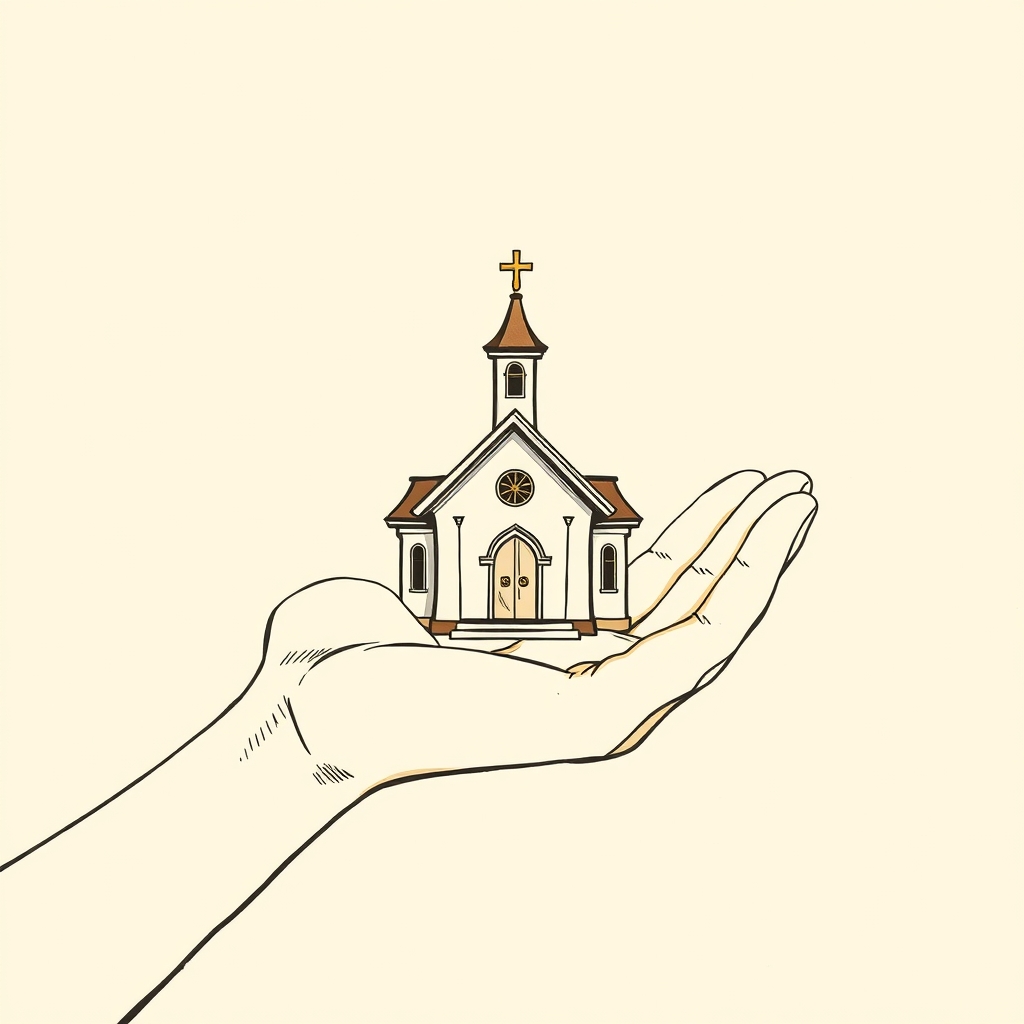
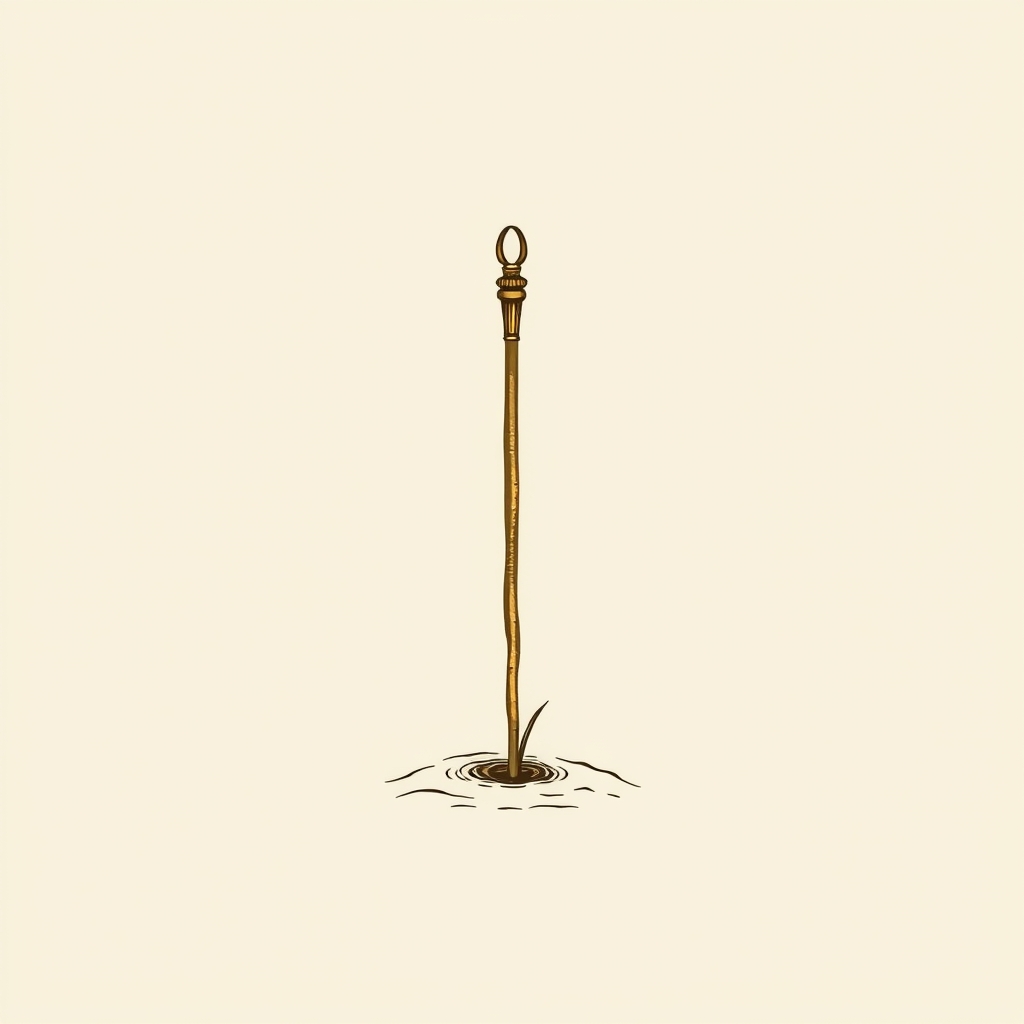
The saint is traditionally depicted with a miniature church or causing a spring to gush forth, symbolizing his role as a founder and evangelizer.
He is depicted: 1° carrying a small church in his hand, as a founder of a monastery; 2° causing a fountain to spring forth by thrusting his staff into the ground: this is undoubtedly to indicate that he was the apostle of Hesbaye and that he caused the living springs of faith to gush forth there.
Hagiographic sources
The biographical notices are based on the works of Fathers Smet and Cahier concerning the saints of Belgium.
Father Smet, *Saints de Belgique* ; Father Cahier, *Caractéristiques des Saints*.
Iconography
Signs and attributes
Entities
Narrative network
The names, places, and concepts most present in the entry, weighted by centrality in the text.
The supernatural in their life
The miracles of Saint Trudo (Trond)
Frequently asked questions about Saint Trudo (Trond)
Who was Saint Trudo (Trond)?
A nobleman from Hesbaye in the 7th century, Saint Trond renounced his fortune to dedicate himself to God under the guidance of Saint Remaclus and Saint Clodoald. Founder of the monastery that bears his name, he evangelized his native region through his preaching and examples of piety. He died in 693, leaving behind a famous school and a reputation as a wonderworker.
What is Saint Trudo (Trond) the patron saint of?
Patronage of Saint Trudo (Trond): Hesbaye and Sint-Truiden.
How is Saint Trudo (Trond) depicted in Christian art?
In iconography, Saint Trudo (Trond) is recognizable by: small church in hand and staff struck into the ground causing a spring to gush forth.
What miracles are attributed to Saint Trudo (Trond)?
2 miracles are attributed to this saint, notably: Mastery of the elements and Sign / wonder.
Which saints were contemporaries of Saint Trudo (Trond)?
Contemporaries include: Saint Priest (Prix), Saint Gregory the Great (Pope and Doctor of the Church), Saint Die (Didier, Deodat) and Saint Augustine of Canterbury.
When did Saint Trudo (Trond) die?
Saint Trudo (Trond) died around 700.
What are the other names of Saint Trudo (Trond)?
Other forms of the name: Trudon.
Who are the relatives of Saint Trudo (Trond)?
Relatives of Saint Trudo (Trond): Adèle (mother).
Annexes & related entities
Structured data for exploration: events, miracles, quotes, places, attributes, patronages, and important entities cited in the text.
Key Events
- Foundation of a monastery in Hesbaye in 660
- Meeting with Saint Remaclus in Zepperen
- Theological studies and ordination in Metz by Saint Cloud
- Construction of a church in Sarcing on the Cisindre river
- Foundation of the monastery of Saint-Trond
Quotes
-
This young man is greater than us in the eyes of God. Pray to the Lord that, through the merits of Trudon, He may show you mercy.
Saint Remacle