
Saint Leothade
A monk and later abbot of Moissac, Léothade became bishop of Auch in the 8th century, succeeding the lineage of Taurin and Orens. He governed his diocese with wisdom for twenty-seven years before dying in Burgundy. His relics, found intact in a sarcophagus in Auch, are the object of particular veneration against epilepsy.
Contemporaries

Figures and markers around the normalized period for this entry.
Guided reading
6 reading sections
SAINT LÉOTHADE, BISHOP OF AUCH AND CONFESSOR (circa 718).
Origins and monastic vocation
Leothade, born of a noble lineage (Charles Martel or Eudes of Gascony), embraced the monastic life very early to dedicate himself to his sanctification.
Leothade belonged, according to some, to the family o f Charles Mart el, and according to others, he was a close relati ve of Eudes, Duke of G ascony. He renounced the world from his tenderest years and devoted himself to the monastic life. The young and pious cenobite was concerned only with his own sanctification, when heaven called him to work for the sanctification of others, and almost from his entry into religion, he appeared worthy of commanding even a nascent com munity. Saint Ansber t, the founder of the Abbey of Moissac, had just died. The votes of all the religious immediately gave them Saint Leothade as his successor; and despite his profound humility and long resistance, the new elect was compelled to accept the honorable burden that was imposed upon him. But so much wisdom and virtue had to shine elsewhere than in a cloister. T he see of Auch did not take long to become vacant. The clergy and the people hastened to call Leothade to it. He who had long declined the title of superior of a community of pious cenobites had to recoil even further before the charge of supreme pastor of a numerous people. Fortunately, heaven knew how to make the Saints bend to its will. Leothade submitted and came to sit on the ch air of Taurinu s and Orientius, whom he was to revive.
Superior at Moissac
Upon the death of Saint Ansbert, Leothade was elected against his will to lead the abbey of Moissac, demonstrating great humility.
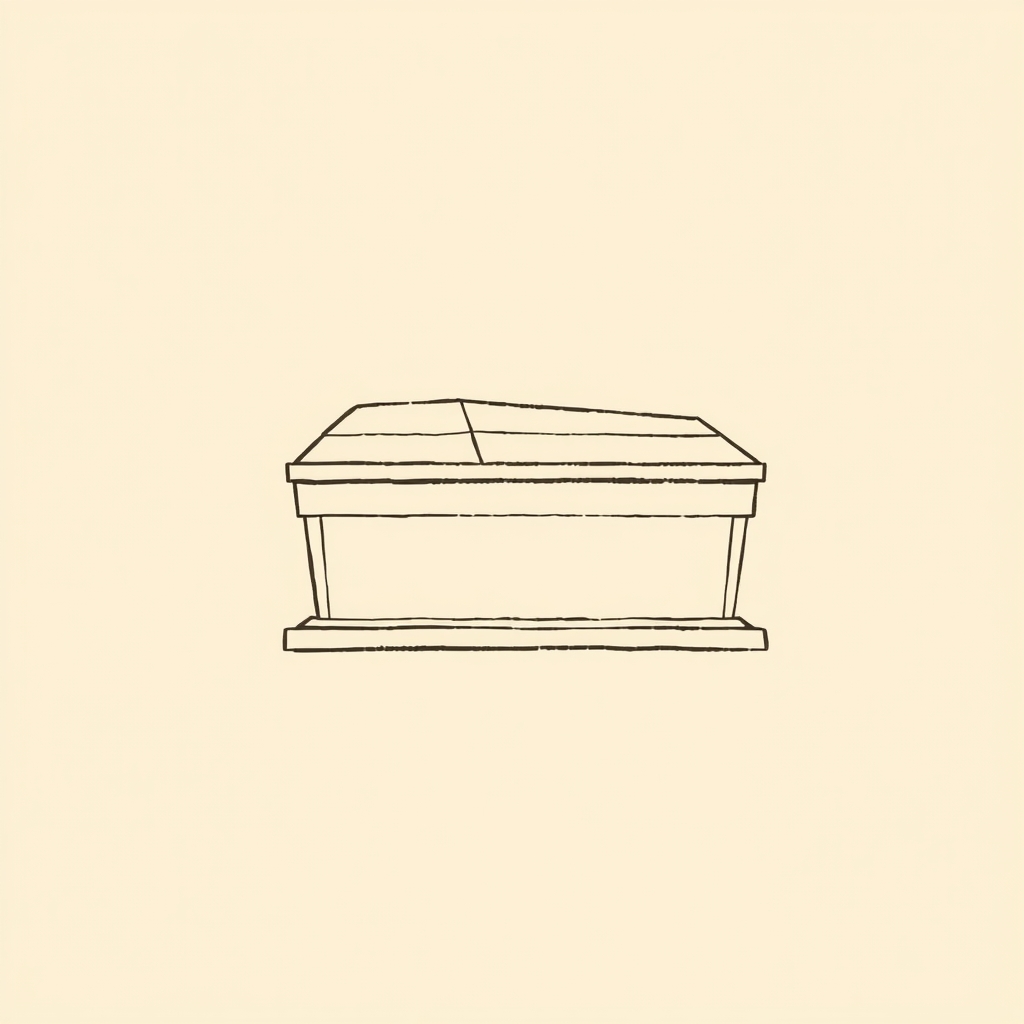
His episcopate was remarkable, since, through so many centuries, its memory has reached us with honor. Nevertheless, we know no particular detail of it. His life, if it was ever written, was lost early on. A rhymed prose, inserted in the first missal of Auch, only informs us that he governed this church for twenty-seven years. The ancient martyrology of the metropolis and that of Lectoure say that he died holily in Burgundy. The Cartulary of Cluny speaks of a cha pel built at Dondelle (diocese of Autun), in which the body of the bles se d Leothade rest ed. Was it our Saint? The authors of the Gallia Christiana do not dare to affirm it. Be that as it may, the bones of Saint Leothade were later brought back to his diocese and deposited in the church of Saint-Jean, then under the title of Saint-Orens. In the 15th century, they were transferred to the cathedral church, after the construction of the crypt chapels. His sarcophagus c an still be seen there today. Opened in 1857, it presented the following relics: the lower jaw with thirteen teeth; — twenty-four ribs and the sternum; — the hyoid bone; — the upper part of the larynx; — two clavicles; — two shoulder blades; — twenty-four vertebrae; — the right humerus, the right ulna and radius; — the left humerus; — the two iliac bones and the sacrum; — the two femurs with the two kneecaps; — the right tibia and fibula; — the left tibia and fibula; — the two calcanei and several bones of the tarsus, metatarsus, and toes; — a small number of bones of the carpus, metacarpus, and fingers; — ashes which were enclosed that same year in three vases; — fabrics: 1° kinds of antique carpets (perhaps ornaments); 2° large remnant of a very ancient alb, but poorly preserved; 3° a piece of more recent silk (likely from 1610, visit of Mgr Léonard de Truppe).
Bishop of Auch
Called by the clergy and the people, he reluctantly accepts the episcopal see of Auch, following in the footsteps of his predecessors Taurinus and Orens.
The feast of Saint Leothade is celebrated on October 23; however, it is believed that this day marks his translation rather than his death. We commend ourselves to our Saint against epidemic diseases and especially against epilepsy.
Governance and end of life
He led the church of Auch for twenty-seven years before dying holily in Burgundy, possibly at Dondelle.
Excerpt from the Lives of the Holy Bishops of Auch, by M. J.-J. Moulesan, canon.
Translation and inventory of relics
His remains, transferred to Auch, were the subject of a solemn recognition in 1857, revealing an almost complete skeleton and ancient fabrics.
His episcopate was remarkable, since, through so many centuries, the memory of it has reached us with honor. Nevertheless, we know no particular detail of it. His life, if it was ever written, was lost early on. A rhymed prose, inserted in the first missal of Auch, only informs us that he governed this church for twenty-seven years. The ancient martyrology of the metropolis and that of Lectoure say that he died holily in Burgundy. The Cartulary of Cluny speaks of a chapel built at Dondelle (diocese of Autun), in which rested the body of the blessed Léothade. Was it our Saint? The authors of the Gallia Christiana do not dare to affirm it. Be that as it may, the bones of Saint Léothade were later brought back to his diocese and deposited in the church of Saint-Jean, then under the title of Saint-Orens. In the 15th century, they were transferred to the cathedral church, after the construction of the crypt chapels. His sarcophagus can still be seen there today. Opened in 1857, it presented the following relics: the lower jaw with thirteen teeth; — twenty-four ribs and the sternum; — the hyoid bone; — the upper part of the larynx; — two clavicles; — two shoulder blades; — twenty-four vertebrae; — the right humerus, the right ulna and radius; — the left humerus; — the two iliac bones and the sacrum; — the two femurs with the two kneecaps; — the right tibia and fibula; — the left tibia and fibula; — the two calcanei and several bones of the tarsus, metatarsus, and toes; — a small number of bones of the carpus, metacarpus, and fingers; — ashes which were enclosed that same year in three vases; — fabrics: 1st types of antique carpets (perhaps ornaments); 2nd large remnant of a very antique alb, but poorly preserved; 3rd a piece of more recent silk (likely from 1610, visit of Mgr Léonard de Truppe).
Popular Devotion
Feasted on October 23, Saint Léothade is invoked against epidemics and more specifically against epilepsy.
The feast of Saint Léothaïe is celebrated on October 23; however, it is believed that this day is the date of his translation rather than his death. We commend ourselves to our Saint against popular diseases and especially against epilepsy.
Excerpt from the Lives of the Saintly Bishops of Auch, by M. J.-J. Moulesan, canon.
Iconography
Signs and attributes
Entities
Narrative network
The names, places, and concepts most present in the entry, weighted by centrality in the text.
Frequently asked questions about Saint Leothade
Who was Saint Leothade?
A monk and later abbot of Moissac, Léothade became bishop of Auch in the 8th century, succeeding the lineage of Taurin and Orens. He governed his diocese with wisdom for twenty-seven years before dying in Burgundy. His relics, found intact in a sarcophagus in Auch, are the object of particular veneration against epilepsy.
What is Saint Leothade the patron saint of?
Patronage of Saint Leothade: Auch.
What is Saint Leothade invoked for?
Saint Leothade is invoked for: common diseases and epilepsy.
How is Saint Leothade depicted in Christian art?
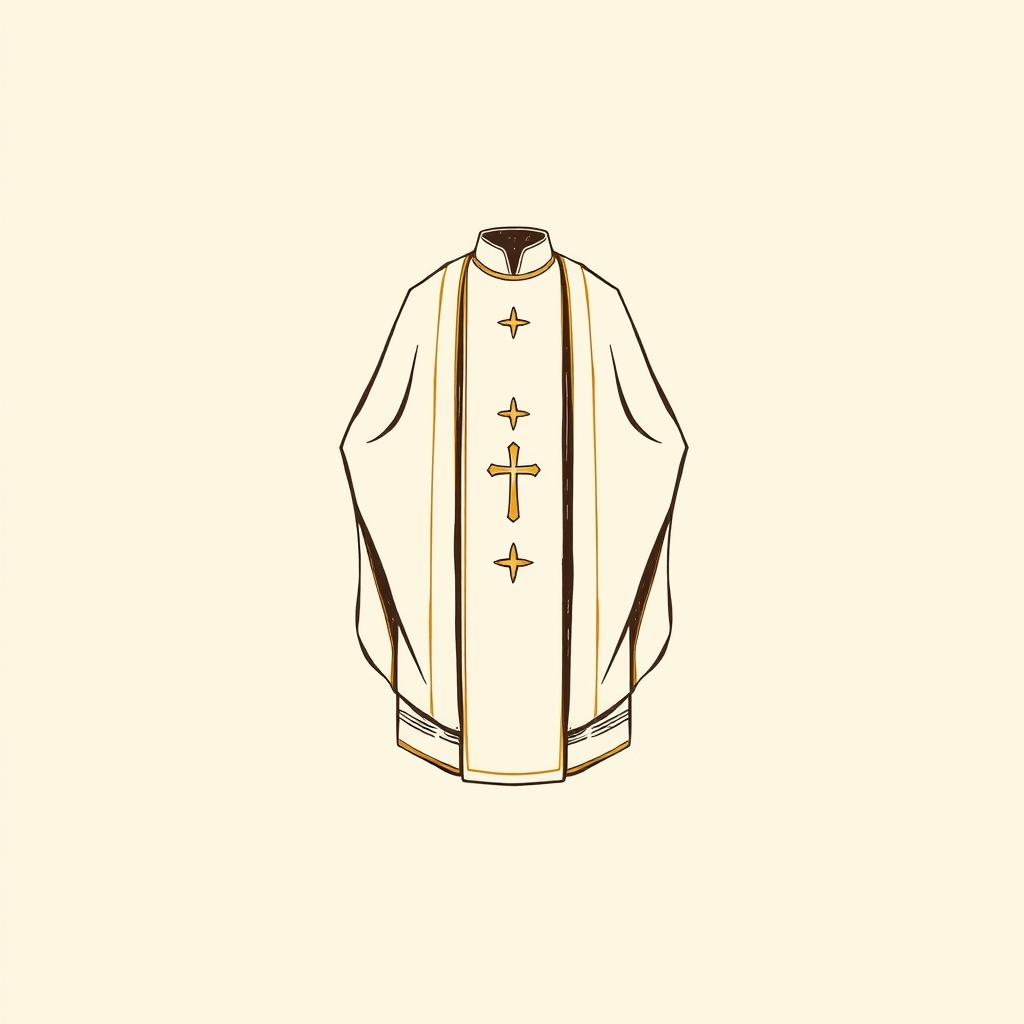
In iconography, Saint Leothade is recognizable by: sarcophagus, relics (bones), episcopal vestments and ancient alb.
Which saints were contemporaries of Saint Leothade?
Contemporaries include: Saint Hidulph of Trier, Saint Ghislain (Guillain), Saint Lambert (Landebert) and Saint Amand of Maastricht.
When did Saint Leothade die?
Saint Leothade died around 800.
What are the other names of Saint Leothade?
Other forms of the name: Léothaïe.
Who are the relatives of Saint Leothade?
Relatives of Saint Leothade: Charles-Martel (kinship (according to some)) and Eudes, duc de Gascogne (close relative (according to others)).
Annexes & related entities
Structured data for exploration: events, miracles, quotes, places, attributes, patronages, and important entities cited in the text.
Key Events
- Entered religious life from his tender years
- Election as successor to Saint Ansbert at the Abbey of Moissac
- Election to the episcopal see of Auch
- Episcopate lasting twenty-seven years
- Died in Burgundy
- Translation of relics to Auch in the 15th century
- Opening of the sarcophagus in 1857