
Born in England, Burchard became the first Bishop of Würzburg in the 8th century after joining Saint Boniface in Germany. Consecrated by Pope Zachary, he governed his diocese with humility and gentleness for forty years, also playing a major diplomatic role in the accession of Pepin the Short. He died in 752 after retiring to a contemplative life.
Contemporaries

Figures and markers around the normalized period for this entry.
Guided reading
5 reading sections
SAINT BURCHARD OR BURCKARD,
Youth and Vocation
Born in England to a noble family, Burchard led an exemplary childhood before leaving his possessions to dedicate himself to the Church in France.
Burchard was born i n England to parents illustrious for their nobility and piety. His childhood was entirely holy; one could never discern the vices and disorders of that age. Lies never escaped his lips; one saw in his manners neither obstinacy, nor inconstancy, nor precipitation, nor immodesty, nor levity. He was perfectly submissive to his parents and masters, polite and benevolent toward the servants, assiduous in prayer and divine service, and so restrained in all his actions that it was easy to see that God destined him to be one of the richest ornaments of the ecclesiastical state. The world soon disgusted him, and, as soon as he had studied sufficiently to serve the Church, he left his goods, his friends, and his own homeland, and came to France in the habit of a pilgrim, to sacrifice himself for the salvation of souls. When he was of age to receive Orders, feeling called to the sacred ministry, he had himself promoted and was made a priest, so as to be able to appease the wrath of God every day through the oblation of the holy Sacrifice, and also to have more authority to preach His word and to convert the infidels.
Mission in Germany and episcopate
He joined Saint Boniface in Germany to evangelize and was consecrated Bishop of Würzburg by Pope Saint Zachary in Rome.
At that time, the great S aint Boniface was working with incredible zeal to destroy idolatry and re-establish Christianity in Germany, and was asking on all sides for workers to assist him in this enterprise. Burchard, upon being informed of this, came to find him and offered himself to go wherever he wished to announce the Gospel of Jesus Christ. Saint Boniface immediately recognized the eminent virtue of this holy missionary, and, having new proofs of his holiness every day, he resolved to have him created Bishop of the city of Würzburg, which had been won to the faith by the preaching of Saint Kilian and his companions, martyrs. He took him to Rome for this purpose, and presented h im to Pope Saint Za chary; the latter, at the re quest of Pepi n the Short and of Saint Boniface himself, erected this city into a bishopric; then, having assured testimonies of the merit of Burchard, he consecrated him bishop with his own hands. After this consecration, the two prelates, provided with the blessing and apostolic letters, returned to Germany, and Saint Boniface solemnly installed Saint Burchard in his new bishopric, and gave him for his subsistence a sufficient income, which he took from the goods of his own archbishopric of Mainz.
Pastoral Government and Political Role
For forty years, he led his diocese with humility and charity, while playing a major diplomatic role in the accession of Pepin the Short.
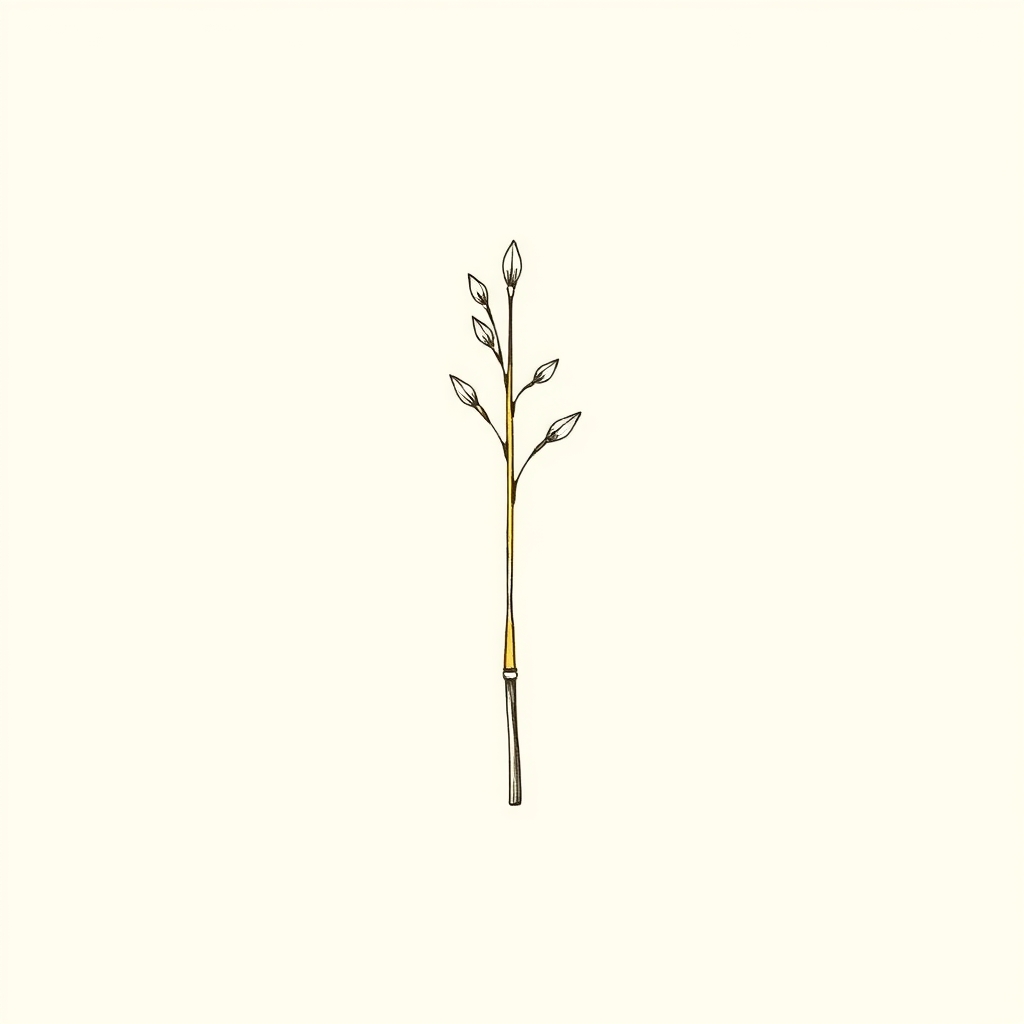
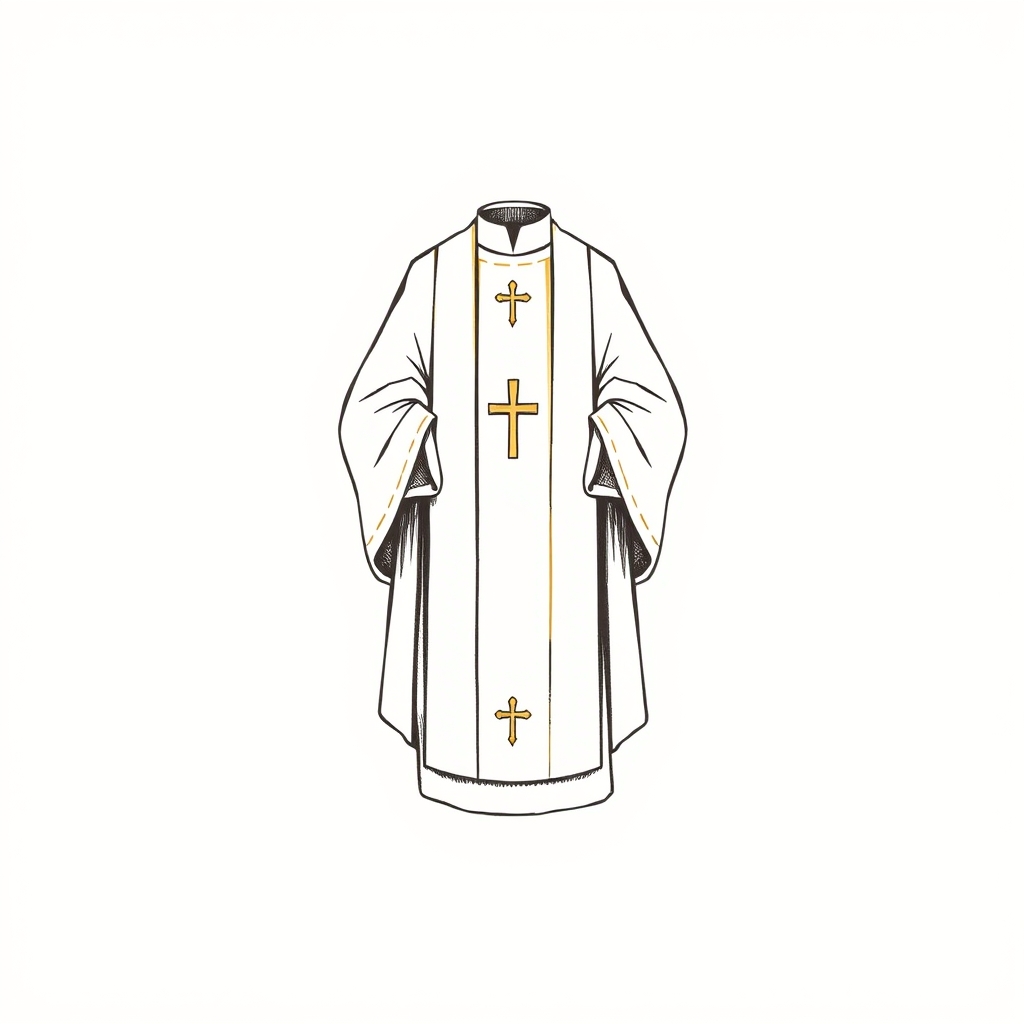
Burchard, seeing himself established as pastor of the sheep of the Son of God, applied himself entirely, for forty years, to governing them well and leading them in the ways of salvation. He was the father of orphans, the support of the poor and widows, the refuge of the afflicted, and the hope of the sick. He took such care to root out vice and to make Christian virtues flourish throughout the extent of his diocese that a marvelous change was seen there in a short time. He made himself the model for his flock. His humility was so great that he never wanted to have anything but ornaments of little value. His very crozier was only of elder wood. He had such sweetness and benignity that he made himself loved by everyone: there were no spirits that he did not bend and win over. Finally, he acquired such a reputation among the great of the kingdom of France that they made him one of their deputies to Pope Saint Zachary in the important and delicate matter of the exaltation of Pepin the Short, scion of the second race of our kings, in place of Childeric, who ended th e first r ace.
Foundations and end of life
He honored local martyrs, founded several monasteries, and retired to the castle of Hohenburg where he died in 752.
His devotion led him to honor the relics of the first apostles of Würzburg, Saint Kilian, Saint Colman, and Saint Totnan, martyrs; thus, after fervent prayers, he raised them from the earth, and, having placed them in precious reliquaries, he installed them in a monastery he had built specifically in their honor. But, as he desired nothing so much as to join the rest of the contemplative life to the busyness of the active life, he founded, on the river Main, another abbey which he dedicated under the invocation of Our Lady and Saint Andrew, for twelve choir religious bound to the canonical hours. He came there very often to enjoy with more tranquility the ineffable delights of union with his God. Finally, after having carried, for forty years, the heavy burden of the episcopate, he died full of merits at the castle of Hohenbur g, where he had reti red with six of his religious. It was February 9, 752. His body was carried to the monastery he had built on the Main; but, in the course of time, after several miracles performed through his intercession, it was transported to his church of Our Lady and Saint Andrew. Hugh, Bishop of Würzburg, authorized by an order of Pope Benedict VII, performed the tra nslation of his relics around the year 983, on October 14, the day on which his principal feast has since been celebrated.
Cult and patronage
Saint Burchard is invoked as the patron of Würzburg, particularly for kidney ailments.
Saint Burchard is the patron of Würzburg; he is invoked against gravel and kidney ailments.
Surtus, Godescard, *Acta Sanctorum*.
This monastery, rebuilt in the village of Saint-Paul, was soon enriched by the liberality of the bishops of Beauvais and the neighboring lords.
Iconography
Signs and attributes
Entities
Narrative network
The names, places, and concepts most present in the entry, weighted by centrality in the text.
The supernatural in their life
The miracles of Saint Burchard (Burckard)
Frequently asked questions about Saint Burchard (Burckard)
Who was Saint Burchard (Burckard)?
Born in England, Burchard became the first Bishop of Würzburg in the 8th century after joining Saint Boniface in Germany. Consecrated by Pope Zachary, he governed his diocese with humility and gentleness for forty years, also playing a major diplomatic role in the accession of Pepin the Short. He died in 752 after retiring to a contemplative life.
What is Saint Burchard (Burckard) the patron saint of?
Patronage of Saint Burchard (Burckard): Würzburg.
What is Saint Burchard (Burckard) invoked for?
Saint Burchard (Burckard) is invoked for: kidney stones and kidney ailments.
How is Saint Burchard (Burckard) depicted in Christian art?
In iconography, Saint Burchard (Burckard) is recognizable by: elderwood crozier and simple episcopal vestments.
What miracles are attributed to Saint Burchard (Burckard)?
1 miracle are attributed to this saint, notably: Sign / wonder.
Which saints were contemporaries of Saint Burchard (Burckard)?
Contemporaries include: Saint Hidulph of Trier, Saint Ghislain (Guillain), Saint Lambert (Landebert) and Saint Amand of Maastricht.
When did Saint Burchard (Burckard) die?
Saint Burchard (Burckard) died around 800.
What are the other names of Saint Burchard (Burckard)?
Other forms of the name: Burckard.
Annexes & related entities
Structured data for exploration: events, miracles, quotes, places, attributes, patronages, and important entities cited in the text.
Key Events
- Departure from England for France in pilgrim's habit
- Priestly ordination
- Joined Saint Boniface in Germany for evangelization
- Journey to Rome and episcopal consecration by Pope Zachary
- Installation as the first bishop of Würzburg
- Embassy to the Pope for the exaltation of Pepin the Short
- Translation of the relics of Saint Kilian and his companions
- Retreat at Hohenbourg Castle