
Noble by birth and ordained a priest by Saint Lubin, Calétric became Bishop of Chartres at only twenty-seven years old in 557. Recognized for his charity toward the poor and widows, he participated in the great councils of his time before passing away in 567. His tomb still remains in the crypt of the Chartres Cathedral.
Contemporaries

Figures and markers around the normalized period for this entry.
Guided reading
4 reading sections
SAINT CALÉTRIC OR CALTRY,
Youth and priestly vocation
Born in 529 into a noble family, Caletric was ordained a priest by Saint Lubin, Bishop of Chartres, before being miraculously healed by the latter.
Saint Caltry (Chaletricus, Chalactericus) was born in the year 529 to a noble family; but he made himself much more commendable in the Church by his merit and piety than he could have been in the world by his birth or his riches. This is what led Saint Lubin , Bishop of Chartres, to confer upon him the order of the priesthood. He lived in this ministry in such a holy manner that no one doubted that he was particularly cherished by God, just as he was generally seen to be loved and respected by men. He fell ill some time after his ordination, and the malady reduced him to the last extremities. His sister Mallegonde, see ing that t he doctors were beginning to despair of his health, sent in haste to Saint Lubin, who was absent from the city, to beg him to send blessed oil. The holy bishop wished to bring it himself, offered his prayer to God, and performed the anointing upon the sick man, who was healed instantly, and so perfectly that he recovered all his strength almost at the same time as his health.
Election to the Episcopate
At the age of twenty-seven, Caletric succeeded Saint Lubin on the episcopal see of Chartres, elected by the clergy and the people.
Saint Lubin did not live long after, and Saint Caltry, young as he still was, being only twenty-seven years old, was chosen by the common suffrage of the clergy and the people of Ch artres t o succeed him. He walked happily in the footsteps that his saintly predecessor had left him.
Pastoral ministry and public life
Recognized for his charity towards the poor and orphans, he participated in the councils of Paris (557) and Tours (566) alongside other great prelates.
Venantius Fortunatus testifies that he displayed a truly paternal gentleness and kindness in his speeches and in all his conduct. He adds that his clergy had a very special trust in him, that he was the guardian of orphans, the protector of abandoned widows, the provider for the poor; that he fed his flock with the word of God, and that he treated all spiritual illnesses with admirable charity. He attended the third Council of Paris held in the year 557, with Saint Germanus, bishop of that cit y, Sain t Praetextatu s of Rouen, Saint Paternu s of Avranches, Saint Sa ms on, and other holy pre la tes. He was present again nine years later at the second Council of Tours (566) , assembled through the effor ts of the local bishop, Saint Euphronius. But God withdrew h im from the world the following year, at an age when his Church seemed to have much more to hope for from him. He died in Chartres on October 4, 567, and was buried in the church of Sa int-Serge. His tomb ( though not his relics, which disappeared during the Revolu tion) is p reserved in the crypt of the Chartres Cathedral.
Death and posterity
He died in 567 and was buried in Chartres; his tomb remains in the cathedral crypt although his relics disappeared during the Revolution.
Proper of Chartres and Baillot.
Iconography
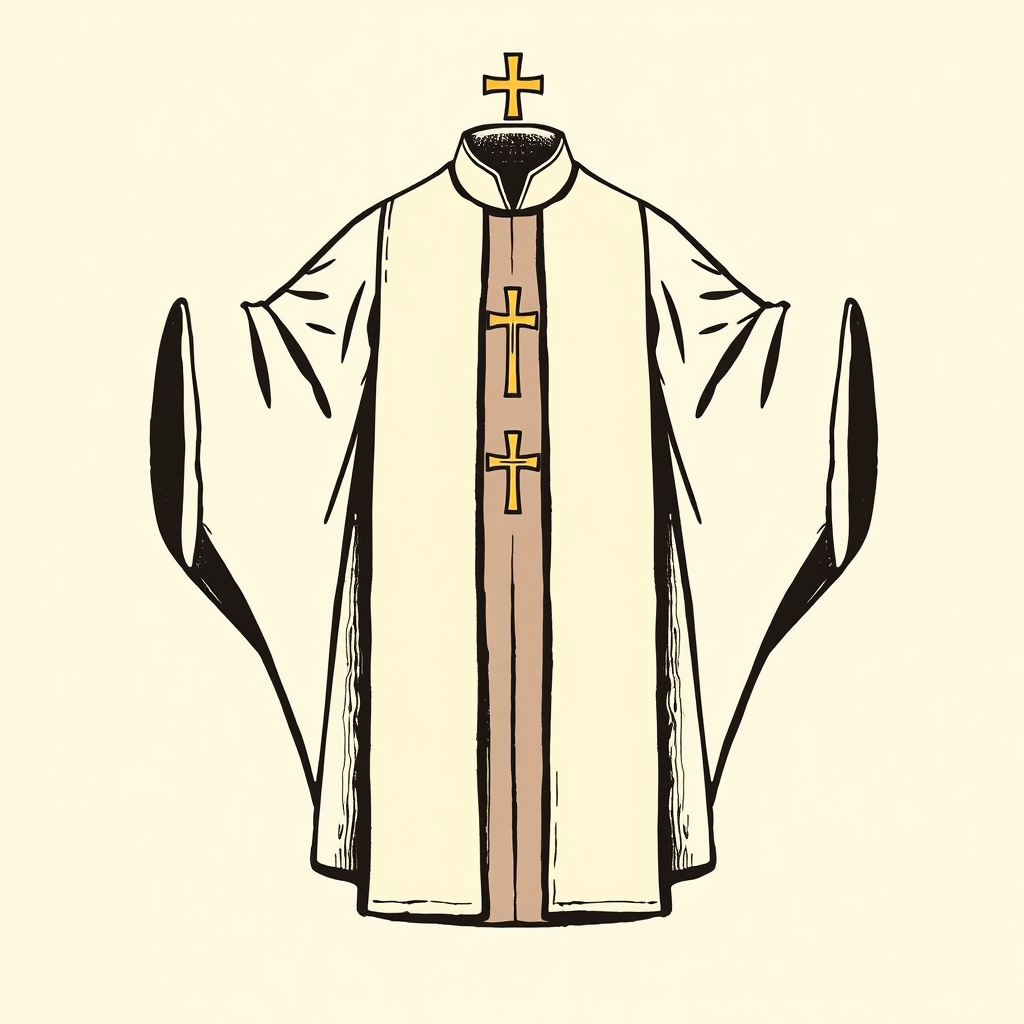
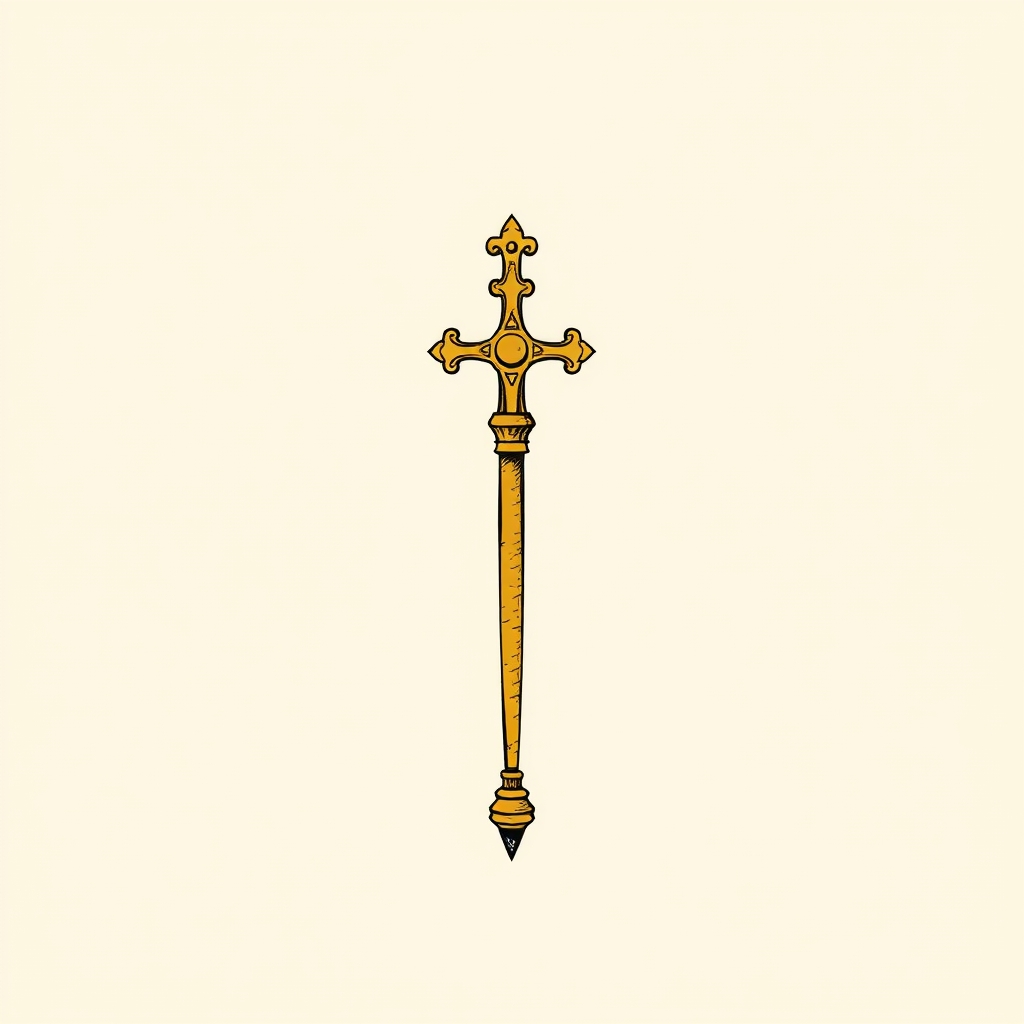
Signs and attributes
Entities
Narrative network
The names, places, and concepts most present in the entry, weighted by centrality in the text.
The supernatural in their life
The miracles of Saint Caletric (Caltry)
Frequently asked questions about Saint Caletric (Caltry)
Who was Saint Caletric (Caltry)?
Noble by birth and ordained a priest by Saint Lubin, Calétric became Bishop of Chartres at only twenty-seven years old in 557. Recognized for his charity toward the poor and widows, he participated in the great councils of his time before passing away in 567. His tomb still remains in the crypt of the Chartres Cathedral.
What is Saint Caletric (Caltry) the patron saint of?
Patronage of Saint Caletric (Caltry): Diocese of Chartres.
What is Saint Caletric (Caltry) invoked for?
Saint Caletric (Caltry) is invoked for: serious illnesses (reference to his own healing).
How is Saint Caletric (Caltry) depicted in Christian art?
In iconography, Saint Caletric (Caltry) is recognizable by: episcopal vestments and crozier.
What miracles are attributed to Saint Caletric (Caltry)?
1 miracle are attributed to this saint, notably: Healing.
Which saints were contemporaries of Saint Caletric (Caltry)?
Contemporaries include: Saint Remigius (Apostle of the Franks), Saint Antide of Besançon, Saint Eugene of Carthage and Saint Nicaise of Reims.
When did Saint Caletric (Caltry) die?
Saint Caletric (Caltry) died around 600.
What are the other names of Saint Caletric (Caltry)?
Other forms of the name: Caltry, Chaletricus and Chalactericus.
Who are the relatives of Saint Caletric (Caltry)?
Relatives of Saint Caletric (Caltry): Mallegonde (sister).
Annexes & related entities
Structured data for exploration: events, miracles, quotes, places, attributes, patronages, and important entities cited in the text.
Key Events
- Born in 529 into a noble family
- Priestly ordination by Saint Lubin
- Miraculous healing through the anointing of Saint Lubin
- Elected Bishop of Chartres at the age of 27
- Participation in the Third Council of Paris (557)
- Participation in the Second Council of Tours (566)
- Death and burial at Saint-Serge church (567)