
Blessed Julian of Saint Augustine
Born in Castile to a Béarnais father exiled for his faith, Julian became a Franciscan lay brother after initially being rejected for his excessive fervor. Known for his profound humility, extreme austerities, and ecstasies, he accompanied Father de Torres on his missions before dying in 1606 near Alcalá.
Contemporaries

Figures and markers around the normalized period for this entry.
Guided reading
4 reading sections
BLESSED JULIAN OF SAINT AUGUSTINE,
Origins and family context
Born in Castile to an exiled Béarnais father, Julian grew up in a climate of piety despite religious persecutions in France and the mockery of those around him.
Blessed Julian belongs to France, although he was born in Medina-Celi, in Castile. His father , André Martin et, had been forced to abandon his country to escape the hatred of his brother, the unjust holder of the paternal estate. This was a fruit of religious intolerance, which has been practiced by our adversaries whenever they could, and who, today, are the only ones still practicing it against our Catholic brothers in Sweden, Poland, and Russia. The father of our Saint was Béarnais; now, in Béarn, Jeanne d'Albret , widow of Anto ine de Bourbon and mother of Henry IV, who had allowed herself to be seduced by the errors of Calvin, had stirred up a cruel persecution against her Catholic subjects. In 1569, she even issued an edict to drive them from the lands of her dominion. Many Béarnais, determined to sacrifice everything rather than apostatize, decided to withdraw to Spain. Of this number, as we have said, was André Martin, whom his brother had the cruelty to exile in order to be the sole possessor of the paternal inheritance. André served for eight years with a merchant, who, pleased with his services, married him to one of his servants and gave him as a wedding gift a small house where he spent happy days. It was there that Blessed Julian came into the world. When he had reached the age of reason, he showed great dispositions toward piety; he spent all the time he could in church in prayer, and even when his parents had put him in apprenticeship with a tailor, he managed to go there as often as possible. His conduct became an object of sarcasm and mockery, but that mattered little to him, and in no way prevented him from confessing often, and he performed this holy action while shedding many tears, for he considered himself a great sinner.
First attempts and itinerant life
After an initial dismissal by the Franciscans for excessive fervor, Julian becomes the itinerant assistant to the preacher Francis of Torres in Castile.
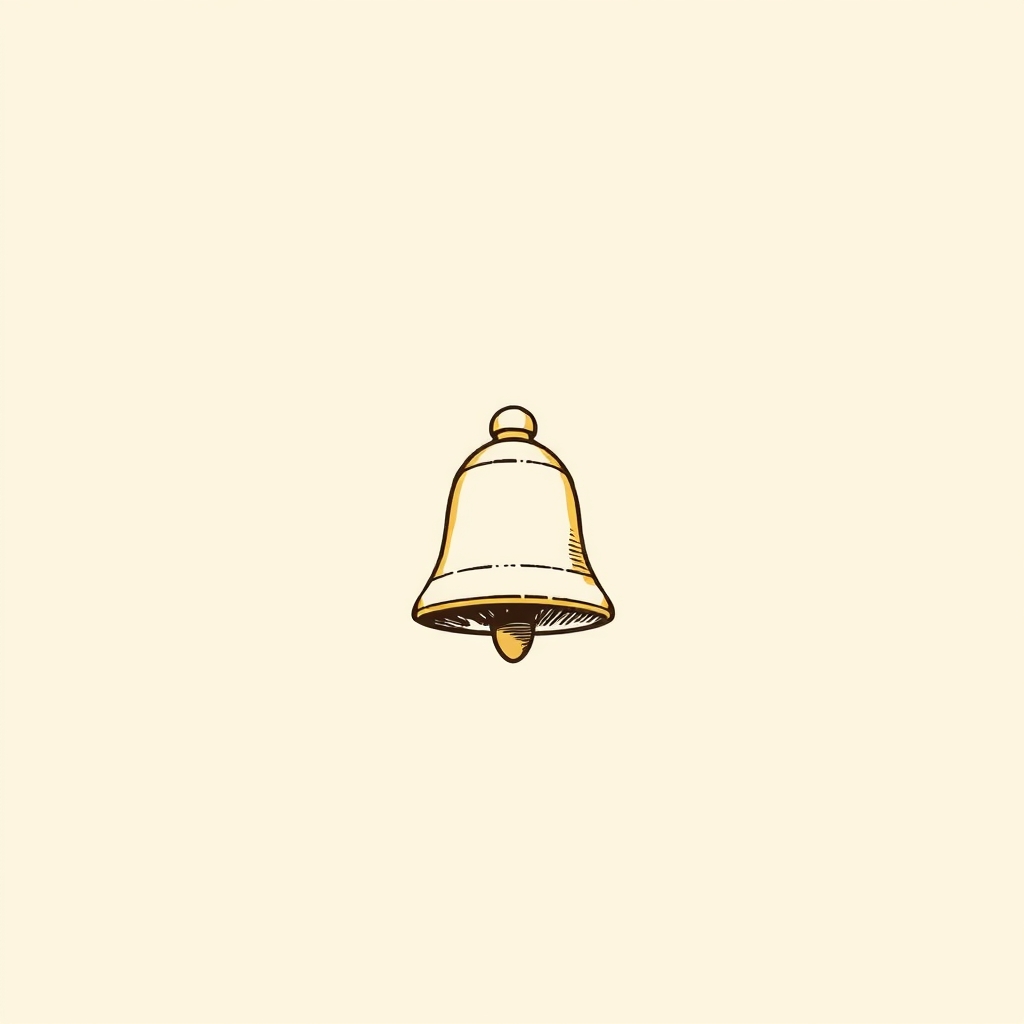
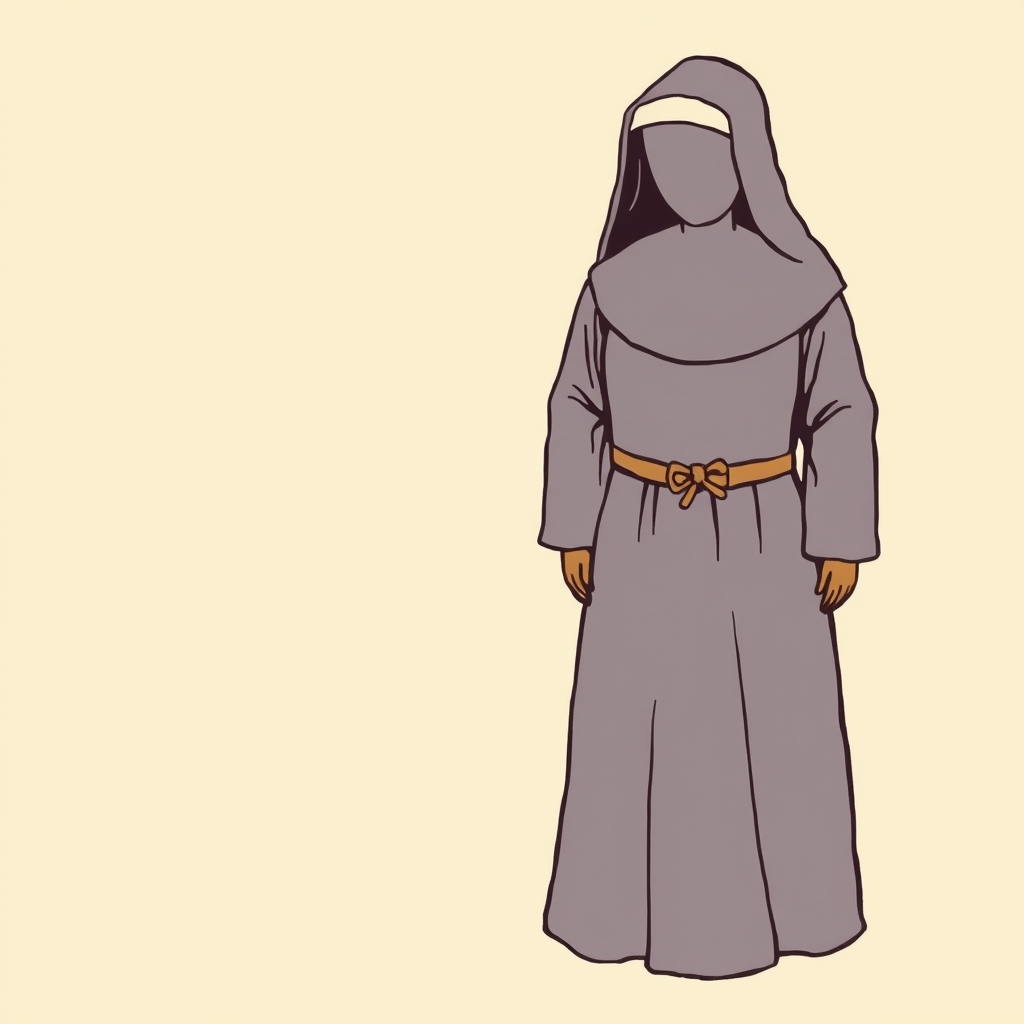
The years of youth are dangerous; Julian, who feared the world and its pleasures, spent them in innocence and purity. As he earnestly commended the salvation of his soul to God, heaven inspired him with the thought of entering the Discalced Fathers of the province of Saint Joseph; he obeyed this inspiration from above, and was received with joy by the religious of the Order of Saint Francis. He showed such extraordinary fervor in his novitiate that the superior took it for exaltation; he became afraid of it and dismissed the novice. This was a hard trial for the blessed Julian, but he submitted to the will of God, and despite his dread of the dangers that awaited him in the world, he returned to his former state in the town of Santorcaz, belonging to the archbishopric of Toledo. Father Francis of Torres, a Franciscan, w as then evangelizing Castile; he came to preach in the town where Julian lived, and struck by his pious appearance, proposed that he help him in the salvation of souls. Julian accepted, took a pilgrim's habit, and set off. He was seen in all the towns that Francis of Torres traveled through, going through the streets with a bell in his hand, and exhorting the faithful to go to the church to hear the Father; he did this in Medinaceli where he had aspired to the honor of being a religious; he did it with great humility and simplicity; few admired him, many mocked him and called him a madman. To the latter, he replied with a smile and with gentleness: Yes, I have become a madman, but a madman for the love of God. Father Torres contemplated him with joy, and when he had studied him well and had assured himself of his vocation, he had him received into t he convent of Our Lady of Salced a to the great joy of the Blessed Julian.
Trials, exclusion, and perseverance
Deemed mad because of his austerities, he was once again excluded from the convent but eventually admitted to solemn profession after a period of eremitism.
The servant of God resumed his penances and austerities; he did such extraordinary things that his brothers were frightened by them, and the superiors, while marveling, doubted the soundness of his judgment. As he invented some extraordinary penance every day, he was eventually believed to be mad, and once again he was put out of the convent. This new blow was very painful to him, without, however, discouraging him; he resumed his secular clothes and built himself a small hut on the top of a mountain near the monastery, where he spent his days and nights in prayer. However, his self-denial and his persevering virtue contributed over time to having his merit recognized. The doors of the convent were reopened to him, where he came every day to ask for alms after having left to attend to the needs of the religious and faithfully handed over to the porter brother everything that had been given to him. At the end of a year, he made his solemn profession.
Mystical life, influence, and passing
Renowned for his ecstasies, miracles, and wisdom, he died in 1606 after predicting his end and meeting Queen Margaret.
Then he gave free rein to his fervor and his love of austerities; he covered his body with instruments of torture; he ate only once a day a little bread and herbs, and allowed himself only a few hours of sleep; he spent his nights in the church, and when sleep was stronger than his will, he would lean against a wall or a confessional and sleep for a few hours. When he was outside the convent, he slept wherever he happened to be, and often at night he was seen, in the middle of the fields, rapt in ecstasy and surrounded by a celestial light. Father Torres having taken him to accompany him on his missions, his life was an eloquent sermon, and when necessary God placed on his lips words capable of melting the most hardened hearts. Often the scholars of the University of Alcala consulted him on difficult passages of the Holy Scripture, and they always returned astonished by his simple and luminous explanations. One day when young people on their way to a dance had refused to listen to him, birds were seen gathering around him at his call, paying attention to the words he addressed to them, and dispersing at the command he gave them, filling the air with their joyful songs. All the animals showed themselves docile to his voice, and if space permitted, we could report a thousand graceful and charming traits on this subject. The fame of his miracles and his holiness spreading everywhere, reached the ears of Queen Margaret, mother of Philip IV, who wished to see the Blesse d one. It was a sad day for Julian when he had to, obeying the orders of his superiors, go to the court. He was so confused by the care and attention he received that his embarrassment prevented him from saying a single word. However, the moment of his death was soon to arrive; he knew it, for God had revealed it to him. Having fallen ill on the way, he was brought back to the convent almost in agony, and, as people were worried about him, he announced that he still had five years to live, and, indeed, he recovered against all expectations. This time having elapsed, he fell ill again two leagues from Alcala; he dragged himself with difficulty to his convent, where he did not want to be carried. At the moment of dying, he showed great fear of the judgments of God; and, after having received the last sacraments, he surrendered his soul to God on April 8, 1606. The eagerness that took place around his deathbed compelled his brothers to leave his body for eighteen days without burial. During all this time, his limbs retained their suppleness and exhaled a most sweet odor. The miracles that took place at his tomb carried his name to the ends of Spain. Julian was beatified by Leo XII.
Iconography
Signs and attributes

Entities
Narrative network
The names, places, and concepts most present in the entry, weighted by centrality in the text.
The supernatural in their life
The miracles of Blessed Julian of Saint Augustine
Frequently asked questions about Blessed Julian of Saint Augustine
Who was Blessed Julian of Saint Augustine?
Born in Castile to a Béarnais father exiled for his faith, Julian became a Franciscan lay brother after initially being rejected for his excessive fervor. Known for his profound humility, extreme austerities, and ecstasies, he accompanied Father de Torres on his missions before dying in 1606 near Alcalá.
How is Blessed Julian of Saint Augustine depicted in Christian art?
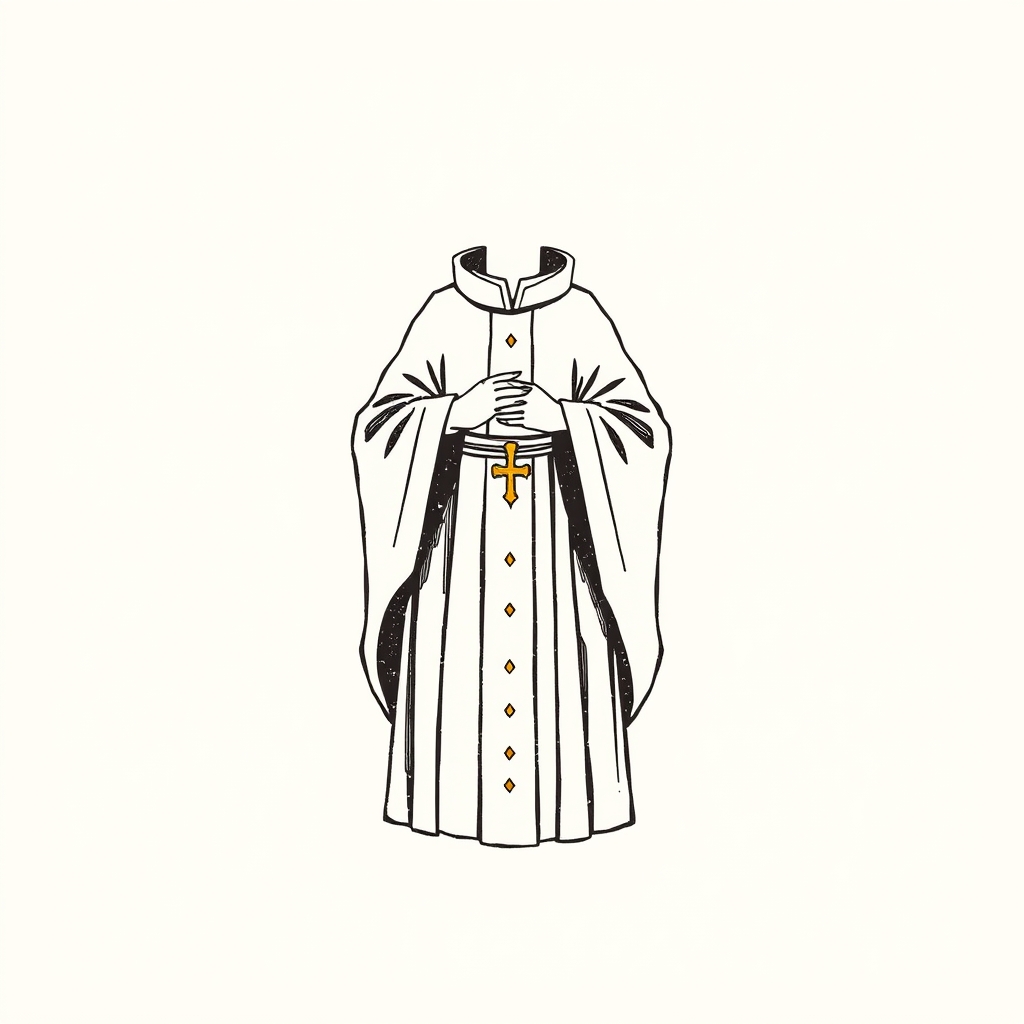
In iconography, Blessed Julian of Saint Augustine is recognizable by: Franciscan habit, small bell, pilgrim's habit and birds.
What miracles are attributed to Blessed Julian of Saint Augustine?
5 miracles are attributed to this saint, notably: Sign / wonder and Incorruptibility.
Which saints were contemporaries of Blessed Julian of Saint Augustine?
Contemporaries include: María de Jesús López Rivas, Mariana de Jesús de Paredes, Blessed Mariana de Jesús (de Paredes y Flores) and Saint Francis de Sales (Bishop and Prince of Geneva).
When did Blessed Julian of Saint Augustine die?
Blessed Julian of Saint Augustine died around 1606.
What are the other names of Blessed Julian of Saint Augustine?
Other forms of the name: Julien Martinet and Julien Martin.
Who are the relatives of Blessed Julian of Saint Augustine?
Relatives of Blessed Julian of Saint Augustine: André Martinet (ou Martin) (father) and Oncle paternel (non nommé) (uncle).
Annexes & related entities
Structured data for exploration: events, miracles, quotes, places, attributes, patronages, and important entities cited in the text.
Key Events
- Born in Medinaceli to an exiled Béarnais father
- Apprenticeship with a tailor
- Entered the Discalced Fathers of the Province of Saint Joseph and was dismissed for excessive fervor
- Itinerant missionary with Fr. Francisco de Torres
- Definitive entry into the convent of Our Lady of Salceda
- Solemn profession after one year of trial in a hermitage
- Meeting with Queen Margaret
- Died at the convent near Alcala after a predicted illness
Quotes
-
Yes, I have become a fool, but a fool for the love of God.
Response to mockery at Medinaceli