
Blessed Nicholas Albergati
Niccolò Albergati was a Cardinal-Bishop of Bologna from the Carthusian Order, recognized for his diplomatic peace missions in the 15th century. He played a key role in the reconciliation between Burgundy and France and was a great patron of letters.
Contemporaries

Figures and markers around the normalized period for this entry.
Guided reading
5 reading sections
BLESSED NICCOLÒ ALBERGATI, CARDINAL (1443).
Youth and monastic vocation
Born in Bologna in 1375, Nicholas Albergati abandoned his law studies to enter the Carthusian Order, where he became prior in Florence.
Nicholas Albergati, Cardinal of the title of Santa Croce and Bisho p of Bo logna, was born in that city in the year 1375. After having studied law, he entere d the Carthusian Or der, among whom he was prior in Florence. He was subsequently raised, in the year 1417, to the bishopric of Bologna, and reconciled his dioc esans wi th Pope Martin V. Thereafter, he was sent as nuncio to France in the year 1423, and discharged this duty so well that he was rewarded in 1426 with the cardinal's hat, which he was forced to accept. Pope Martin V named him legate a latere in the year 1431, and Eugene IV ordered him to go and preside over the Council of Basel. But the bishops assembled in that city not having wished to recognize him, he withdrew to the Pontiff, who gave him the legation of Fran ce once more. He reconcil ed the Duke of Bu rgundy, Philip, with Charles VII. A miracle, which he performed in the presence of Philip, contributed greatly to this reconciliation, so fo rtunate for France . The Pope took him to the Council of Ferrara. There he disputed learnedly against the Greeks. He was also legate in Germany, and, upon his return, was named Grand Pen itenti ary of the Church. He died shortly thereafter in Siena, on May 10, 1443. This holy prelate practiced, under the purple, the austerities of the Carthusians. His humility was as sincere as it was profound, his character firm and elevated, full of candor and prudence; his charity for everyone, and principally for the poor, was admirable. He loved letters, and, at his death, he bequeathed a considerable library to various monasteries.
Episcopate and Papal Diplomacy
Appointed Bishop of Bologna in 1417, he became a key diplomat for Popes Martin V and Eugene IV, serving as nuncio and legate in France and Germany.
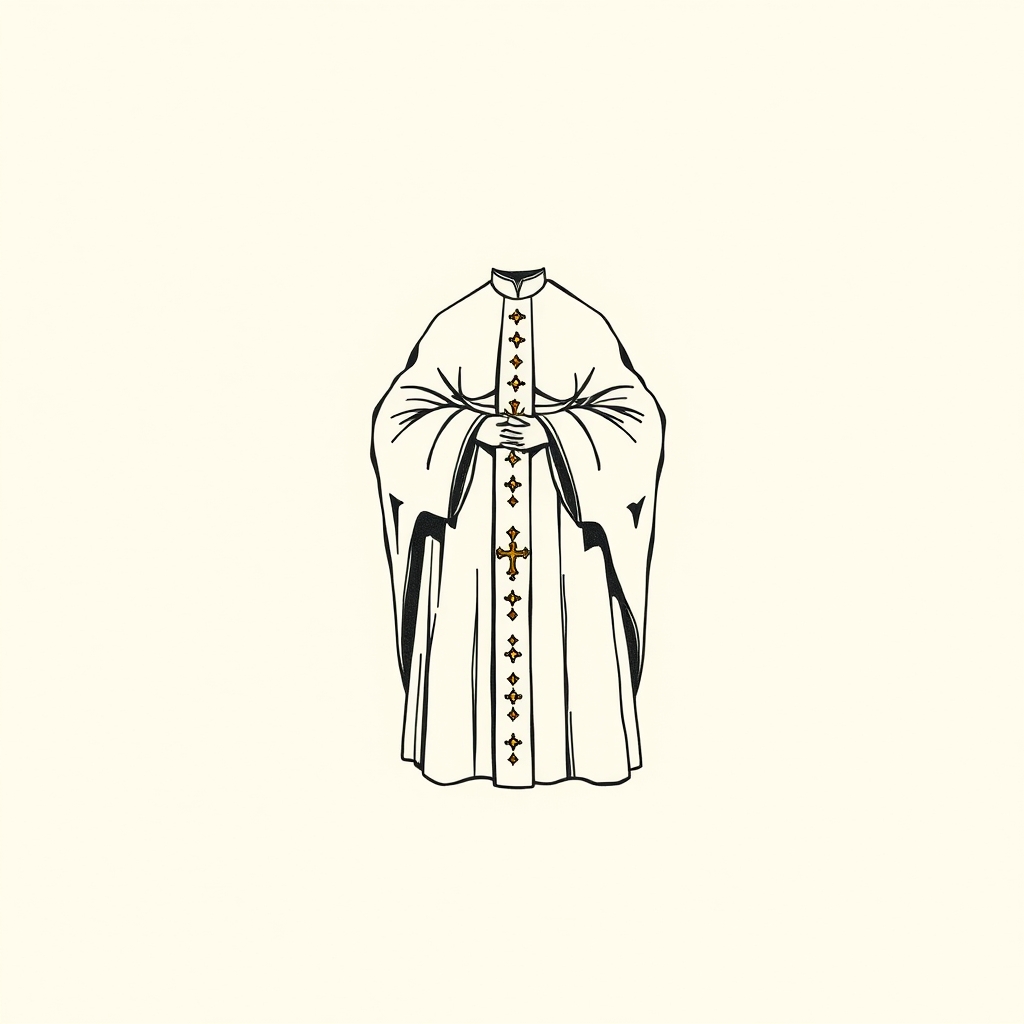
Blessed Albergati is depicted with an olive branch in his hand, as a symbol of the peace missions he carried out in both France and Germany; carrying a small reliquary: this is the reliquary containing a part of the skull of Saint Anne which was given to him in France and which he deposited with the Carthusians of Bologn a; appe aring in an apparition, after his death, to Canon Thoma s Parentacelli, his friend, and announcing to him that he would soon be Pope. In memory of this vision, the former canon of Bologna took the name Nicholas. — Blessed Albergati is one of the titular patrons of Bologna.
Councils and peace mediations
He participated in the councils of Basel and Ferrara and played a crucial role in the reconciliation between the Duke of Burgundy and the King of France, Charles VII.
Nicholas Albergati, Cardinal of the title of Santa Croce and Bishop of Bologna, was born in that city in the year 1375. After studying law, he entered the Carthusian Order, among whom he was prior in Florence. He was subsequently raised, in the year 1417, to the bishopric of Bologna, and reconciled his diocesans with Pope Martin V. Thereafter, he was sent as nuncio to France in the year 1423, and discharged this duty so well that he was rewarded in 1426 with the cardinal's hat, which he was forced to accept. Pope Martin V appointed him legate a latere in the year 1431, and Eugene IV ordered him to go and preside over the Council of Basel. But the bishops assembled in that city not wishing to recognize him, he withdrew to the Pontiff, who gave him the legation of France once more. He reconciled the Duke of Burgundy, Philip, with Charles VII. A miracle, which he performed in the presence of Philip, contributed greatly to this reconciliation, which was so fortunate for France. The Pope took him to the Council of Ferrara. There, he disputed learnedly against the Greeks. He was also legate in Germany, and, upon his return, was named Grand Penitentiary of the Church. He died shortly thereafter in Siena, on May 10, 1443. This holy prelate practiced, beneath the purple, the austerities of the Carthusians. His humility was as sincere as it was profound, his character firm and elevated, full of candor and prudence; his charity for everyone, and especially for the poor, was admirable. He loved letters, and, at his death, he bequeathed a considerable library to various monasteries.
Final years and virtues
Despite his rank as cardinal, he maintained Carthusian austerity until his death in Siena in 1443, leaving behind an important library.
Nicholas Albergati, Cardinal of the title of Santa Croce and Bishop of Bologna, was born in that city in the year 1375. After studying law, he entered the Carthusian Order, among whom he was prior in Florence. He was subsequently raised, in the year 1417, to the bishopric of Bologna, and reconciled his diocesans with Pope Martin V. Thereafter, he was sent as nuncio to France in the year 1423, and discharged this duty so well that he was rewarded in 1426 with the cardinal's hat, which he was forced to accept. Pope Martin V named him legate a latere in the year 1431, and Eugene IV ordered him to go and preside over the Council of Basel. But the bishops assembled in that city not having wished to recognize him, he withdrew to the Pontiff, who gave him the legation of France once more. He reconciled the Duke of Burgundy, Philip, with Charles VII. A miracle, which he performed in the presence of Philip, contributed much to this reconciliation, which was so fortunate for France. The Pope took him to the Council of Ferrara. There he disputed learnedly against the Greeks. He was also legate in Germany, and, upon his return, was named Grand Penitentiary of the Church. He died shortly thereafter in Siena, on May 10, 1443. This holy prelate practiced, under the purple, the austerities of the Carthusians. His humility was as sincere as it was profound, his character firm and elevated, full of candor and prudence; his charity for everyone, and principally for the poor, was admirable. He loved letters, and, at his death, he bequeathed a considerable library to various monasteries.
Iconography and legacy
Depicted with an olive branch and a reliquary, he is linked to the prophecy of the election of Pope Nicholas V and remains a patron of Bologna.
Blessed Albergati is represented with an olive branch in his hand, as a symbol of the peace missions he carried out in both France and Germany; carrying a small reliquary: this is the reliquary containing a part of the skull of Saint Anne which was given to him in France and which he deposited with the Carthusians of Bologna; appearing in an apparition, after his death, to the canon Thomas Parentacelli, his friend, and announcing to him that he would soon be Pope. In memory of this vision, the former canon of Bologna took the name Nicholas. — Blessed Albergati is one of the titular patrons of Bologna.
Iconography
Signs and attributes


Entities
Narrative network
The names, places, and concepts most present in the entry, weighted by centrality in the text.
The supernatural in their life
The miracles of Blessed Nicholas Albergati
Frequently asked questions about Blessed Nicholas Albergati
Who was Blessed Nicholas Albergati?
Niccolò Albergati was a Cardinal-Bishop of Bologna from the Carthusian Order, recognized for his diplomatic peace missions in the 15th century. He played a key role in the reconciliation between Burgundy and France and was a great patron of letters.
What is Blessed Nicholas Albergati the patron saint of?
Patronage of Blessed Nicholas Albergati: Bologna.
How is Blessed Nicholas Albergati depicted in Christian art?
In iconography, Blessed Nicholas Albergati is recognizable by: olive branch, small shrine (reliquary of Saint Anne) and cardinal's robes over Carthusian austerities.
What miracles are attributed to Blessed Nicholas Albergati?
2 miracles are attributed to this saint, notably: Sign / wonder, Vision / apparition and Prophecy / infused knowledge.
Which saints were contemporaries of Blessed Nicholas Albergati?
Contemporaries include: Saint Peregrinus of Auxerre, Saint Ignatius of Loyola, Saint Colette (Nicole) and Saint Andrew Corsini.
When did Blessed Nicholas Albergati die?
Blessed Nicholas Albergati died around 1443.
Annexes & related entities
Structured data for exploration: events, miracles, quotes, places, attributes, patronages, and important entities cited in the text.
Key Events
- Born in Bologna in 1375
- Entered the Carthusian Order
- Elevation to the bishopric of Bologna in 1417
- Nuncio to France in 1423
- Created cardinal in 1426
- Presidency of the Council of Basel in 1431
- Reconciliation of the Duke of Burgundy with Charles VII
- Participation in the Council of Ferrara
- Appointed Grand Penitentiary of the Church