
Saint Rioc
Son of the king of Eloro, Rioc withdrew from the world after his conversion to live for forty-one years as a hermit on an isolated rock in Cornouaille. Covered in a miraculous moss as clothing, he ended his days at the monastery of Landévennec under the guidance of Saint Guénolé. Tradition also attributes to him the victory over a dragon, a symbol of the struggle against Druidism.
Contemporaries

Figures and markers around the normalized period for this entry.
Guided reading
5 reading sections
SAINT RIOC, HERMIT IN BRITTANY (6th century).
Origins and conversion
Son of King Eloro in Léon, Rioc converted to Christianity with his mother under the influence of Saints Dorien and Noventer.
He was the son of the King of Eloro, who lived in the land of Léon, in the place now called Trzon-Eloro. In recognition of a service received, the king permitted Saint Dorien and Saint Noventer to instruct in the Christian religion those members of his family who would consent to it. The queen and h er s on Rioc were among that number. But Eloro, far from building them a church as he had promised, persecuted them, and they withdrew to the castle of Joyeuse-Garde. His mother spent the rest of her days there, died very piously, and was buried by her son. He was then about sixteen years old. Having sold everything he could dispose of, he gave the money to the poor. He chose for his retreat a rock in the sea, on the coast of Cornouaille, towards the mouth of the Bay of Brest, on the shore of the par ish of Kamlet, a p lace entirely deserted and remote, surrounded by the sea on all sides, except at low tide.
The eremitic life on the rock
Rioc led a life of extreme asceticism for forty-one years on an isolated rock near Kamlet, feeding on roots and fish.
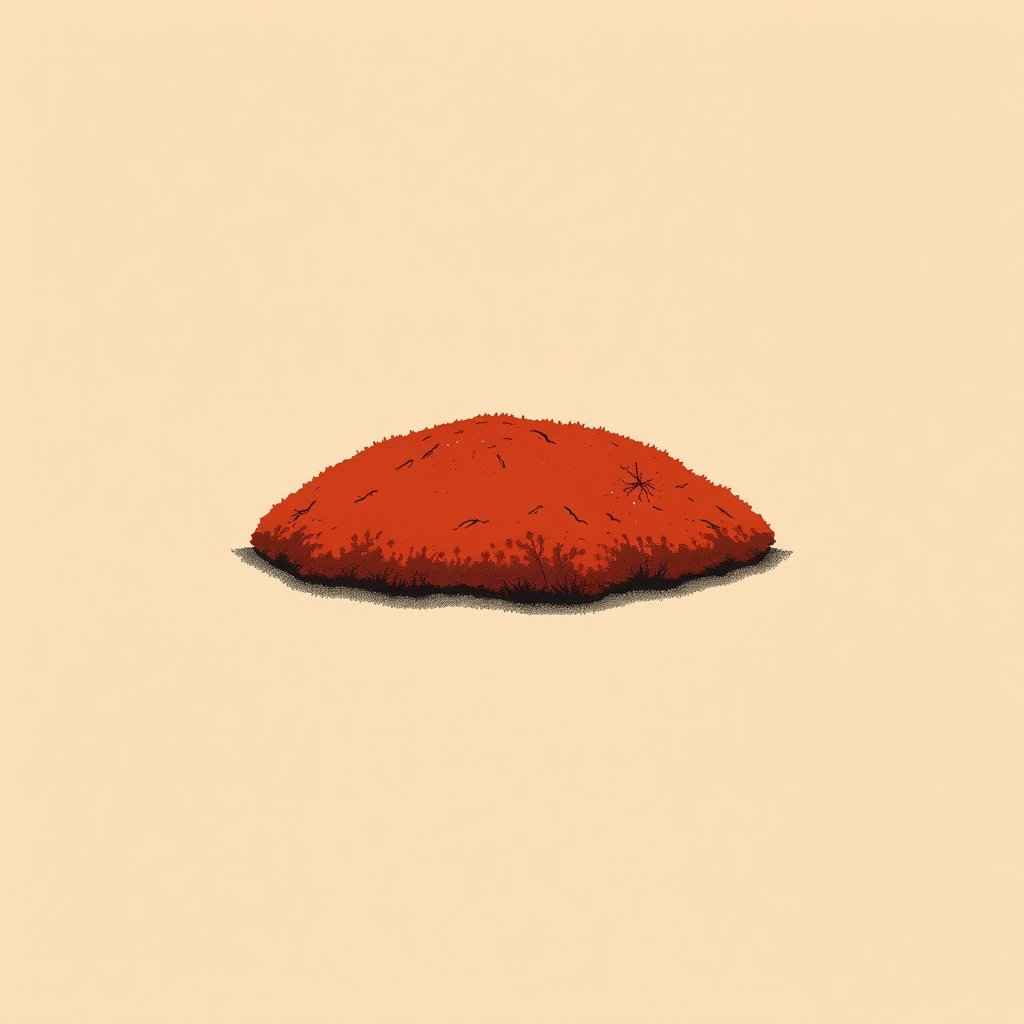
He entered this solitude around the year 552, and remained there for forty-one years, the entire time that Conan Meriadoc conquered and subjugated Armorica, until the reign of King Gralion, who gave the government of the county of Leon to Fragon. The latter, having come to reside in his government, b rought with him h is son Gue nole, abbot of Landevenec. Having heard tell of the hermit Rioc, the abbot went to visit him in his cave, and, having greeted him, he learned from him that it had been forty-one years that he had been doing penance in this place, living on herbs and small fish that he caught on the sand, at the foot of his rock; his origin and extraction, and all the other particularities of his life; that, when he had climbed onto this rock, he was dressed in a simple cassock, and that this garment having worn out over time, God had covered his body with a certain reddish moss that protected him from the inclemency of the weather.
Meeting with Saint Guénolé
Abbot Guénolé discovers the hermit, whose body is miraculously covered in moss, and convinces him to join the monastery of Landevenec.
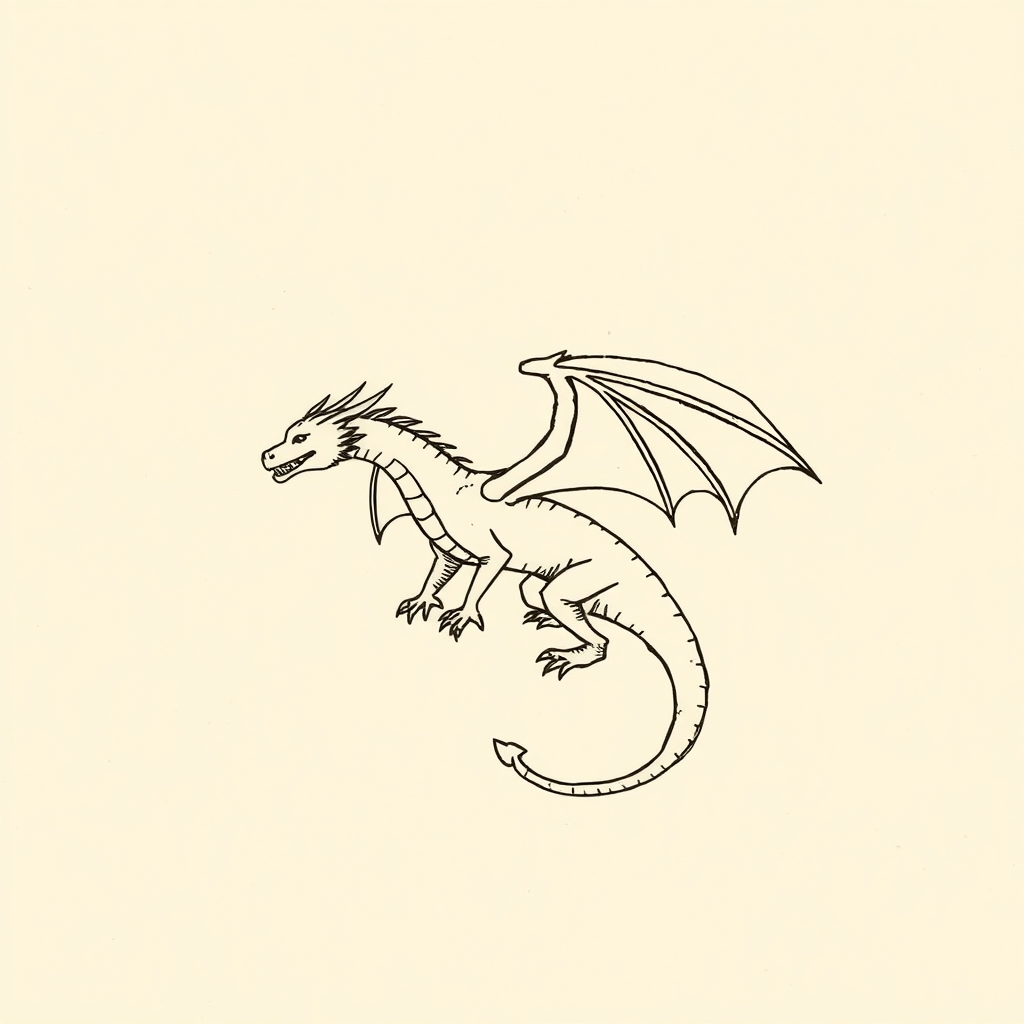
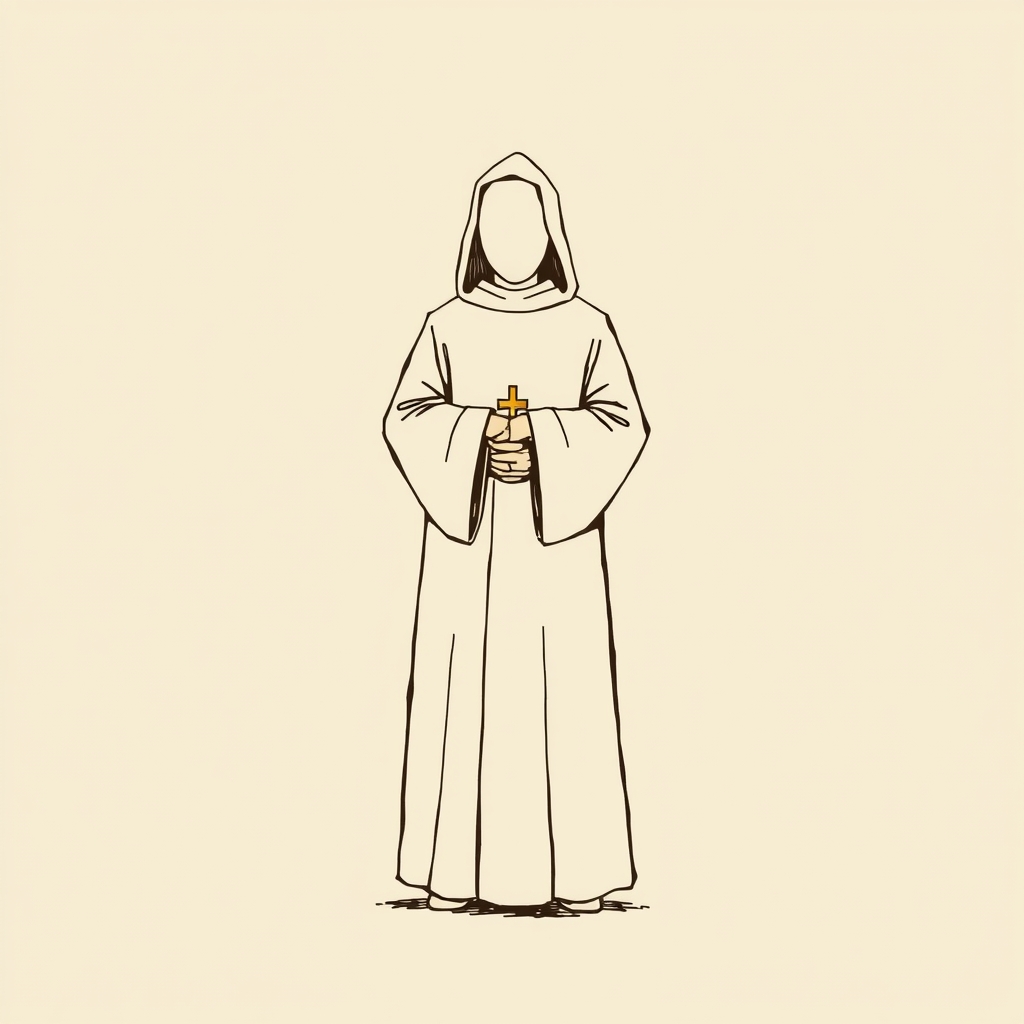
Saint Guénolé, having heard the account of these wonders, was astonished and gave thanks to God for th em; and se eing Saint Rioc old and broken by austerities and macerations, he begged him to come with him to his monastery of Landevenec, to which the hermit consented. Saint Guénolé gave him the habit of the monks of his monastery. He lived for a few more years; after his death, many miracles occurred at his tomb, a nd Saint Budoc, third archbishop of Dol, having been duly informed, declared him a Saint, around the year 630. Like a great number of other Breton saints, Saint Rioc is said to have killed a dragon: an image of the efforts that Christianity had to make to clear the soil of Brittany of all Druidic superstitions.
Death, miracles, and posterity
After his death at Landevenec, Rioc was canonized by Saint Budoc; tradition also attributes to him the victory over a dragon symbolizing Druidism.
Drawn f rom Albert le G rand and M. de Garaby.
Sources
The account is based on the works of Albert le Grand and M. de Garaby.
Drawn from Albert le Grand and M. de Garaby.
Iconography
Signs and attributes
Entities
Narrative network
The names, places, and concepts most present in the entry, weighted by centrality in the text.
The supernatural in their life
The miracles of Saint Rioc
Frequently asked questions about Saint Rioc
Who was Saint Rioc?
Son of the king of Eloro, Rioc withdrew from the world after his conversion to live for forty-one years as a hermit on an isolated rock in Cornouaille. Covered in a miraculous moss as clothing, he ended his days at the monastery of Landévennec under the guidance of Saint Guénolé. Tradition also attributes to him the victory over a dragon, a symbol of the struggle against Druidism.
How is Saint Rioc depicted in Christian art?
In iconography, Saint Rioc is recognizable by: reddish moss covering the body, slain dragon and monk's habit.
What miracles are attributed to Saint Rioc?
3 miracles are attributed to this saint, notably: Sign / wonder and Protection / deliverance.
Which saints were contemporaries of Saint Rioc?
Contemporaries include: Saint Remigius (Apostle of the Franks), Saint Antide of Besançon, Saint Eugene of Carthage and Saint Nicaise of Reims.
When did Saint Rioc die?
Saint Rioc died around 600.
Who are the relatives of Saint Rioc?
Relatives of Saint Rioc: Eloro (father) and Non nommée (Reine d'Eloro) (mother).
Annexes & related entities
Structured data for exploration: events, miracles, quotes, places, attributes, patronages, and important entities cited in the text.
Key Events
- Conversion to Christianity by Saint Dorien and Saint Noventer
- Retreat at the Château de Joyeuse-Garde with his mother
- Sold his possessions for the poor at the age of sixteen
- Entered into solitude on a rock in Cornwall in 552
- Forty-one years of eremitic life
- Meeting with Saint Guénolé and entry into the monastery of Landévennec
- Canonization by Saint Budoc around 630