
Saint Concordius
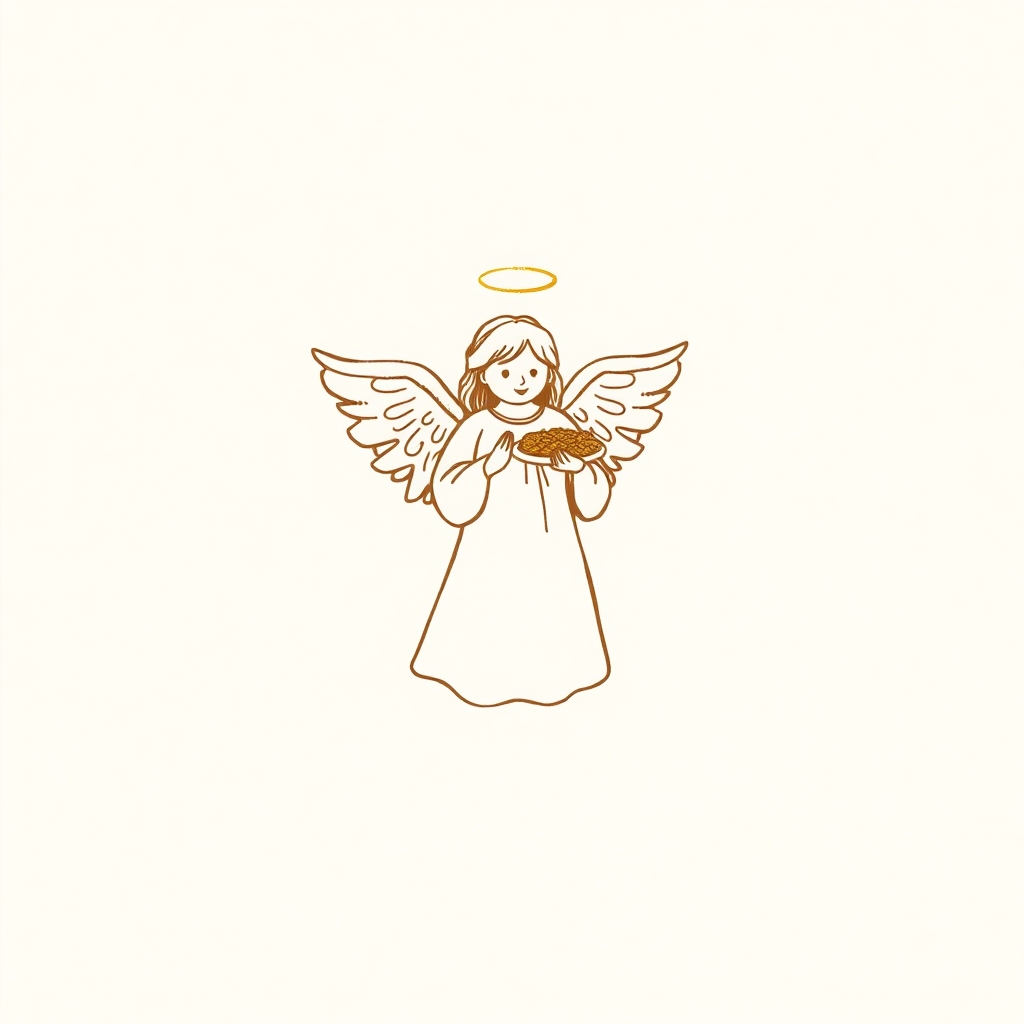
A native of Rome and son of Gordianus, Saint Concordius lived as a hermit before being arrested under Marcus Aurelius by the governor Torquatus. After enduring the rack and starvation, he was beheaded in his prison for refusing to sacrifice to idols. He is often depicted receiving a visit from an angel in his dungeon.
Contemporaries

Figures and markers around the normalized period for this entry.
Guided reading
4 reading sections
SAINT CONCORDIUS, MARTYR (175).
Origins and eremitic life
Originally from Rome, Concordius left his father Gordianus to lead a life of solitude during the persecutions of Marcus Aurelius.
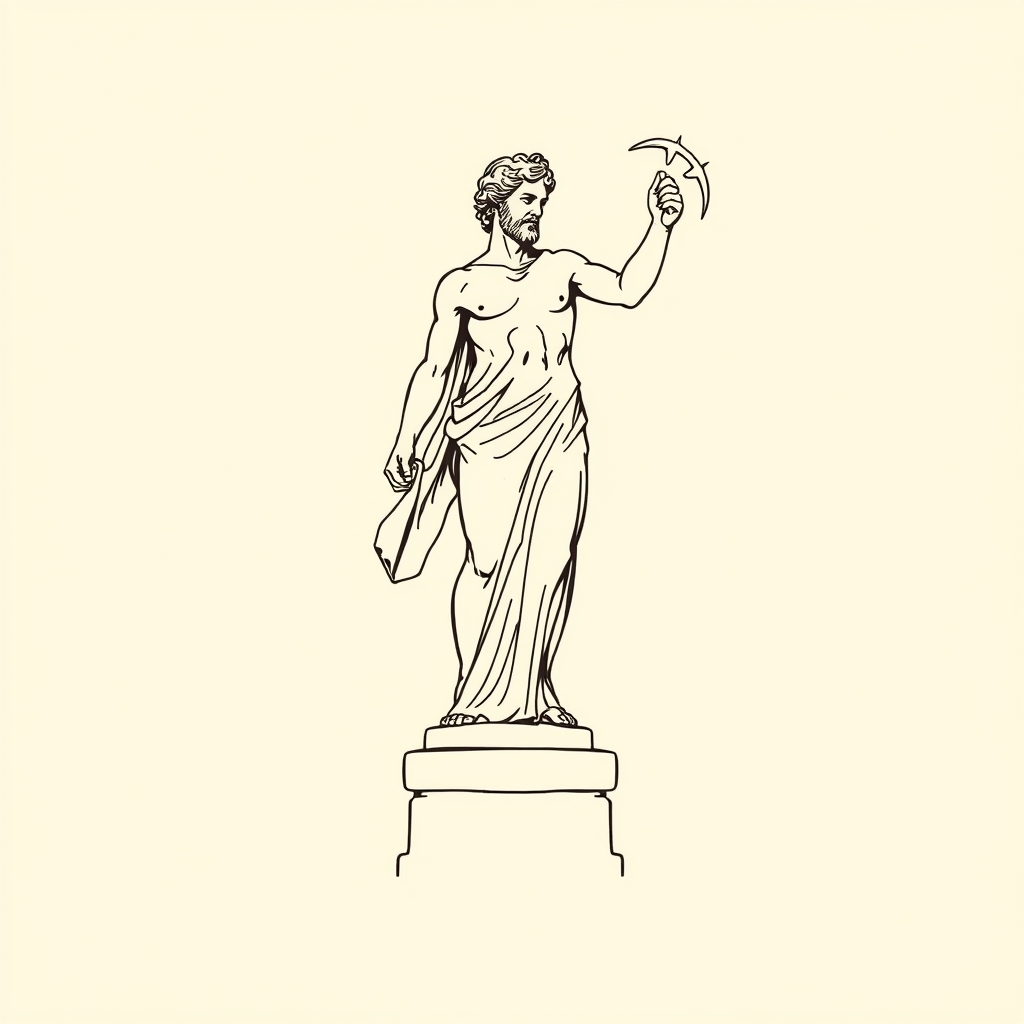
Saint Concordi us was, it seems, originally from Rome. He left his father named Gordian us, a m an of great virtue, to go and live in solitude. It was then during the time of the persecution of Marcus Aur elius. The pious hermit was reported to Torquatus, governor of Tuscany and Umbria, because of the great influx of pilgrims who flocked to his retreat. Torquatus had him brought before hi m and asked his name: Christian, replied Concordius. I am not speaking to you of your Christ, replied Torquatus, but of your name. Christian, retorted Concordius, I have told you, I belong to Jesus Christ, and nothing in the world will separate me from my divine Master. Torquatus had him scourged and sent back to prison. Some time later, he sought again to shake him with promises and threats, then seeing that every effort would be in vain against his constancy, he had him stretched on the rack; after which, torn, dislocated, and loaded with irons, he was thrown into a dungeon to die of hunger. But after three days, Torquatus, yielding to his impatience, sent two soldiers and a priest into the prison with orders not to leave until Concordius had sacrificed or lost his head. Concordius, instead of listening to their solicitations, began to spit on the idol; and one of the soldiers struck off his head on the spot. — Saint Concordius is represented receiving the visit of an angel who comes to bring him food in his dungeon; or pushing away the statu e of Ju piter to which they want to make him sacrifice.
Arrest and Interrogation
Reported to the governor Torquatus, Concordius refuses to deny his Christian identity despite threats and initial punishments.
Saint Concordius was, it seems, a native of Rome. He left his father named Gordianus, a man of great virtue, to go and live in solitude. It was then the time of the persecution of Marcus Aurelius. The pious hermit was reported to Torquatus, governor of Tuscany and Umbria, because of the great influx of pilgrims who flocked to his retreat. Torquatus had him brought before him and asked his name: Christian, replied Concordius. I am not speaking to you of your Christ, replied Torquatus, but of your name. Christian, retorted Concordius, I have told you, I belong to Jesus Christ, and nothing in the world will separate me from my divine Master. Torquatus had him scourged and sent back to prison. Some time later, he sought again to shake him with promises and threats, then seeing that every effort would be vain against his constancy, he had him stretched on the rack; after which, torn, dislocated, and loaded with irons, he was thrown into a dungeon to die of hunger. But after three days, Torquatus, yielding to his impatience, sent two soldiers and a priest into the prison with orders not to leave until Concordius had sacrificed or lost his head. Concordius, instead of listening to their solicitations, began to spit on the idol; and one of the soldiers immediately struck off his head. — Saint Concordius is represented receiving the visit of an angel who comes to bring him food in his dungeon; or pushing away the statue of Jupiter to which they want to make him sacrifice.
Tortures and execution
After enduring the rack and imprisonment, the saint is beheaded for spitting on a pagan idol.
Saint Concordius was, it seems, a native of Rome. He left his father named Gordianus, a man of great virtue, to go and live in solitude. It was then the time of the persecution of Marcus Aurelius. The pious hermit was reported to Torquatus, governor of Tuscany and Umbria, because of the great influx of pilgrims who flocked to his retreat. Torquatus had him brought before him and asked his name: Christian, replied Concordius. I am not speaking to you of your Christ, replied Torquatus, but of your name. Christian, replied Concordius, I have told you, I belong to Jesus Christ, and nothing in the world will separate me from my divine Master. Torquatus had him scourged and sent back to prison. Some time later, he tried again to shake him with promises and threats, then seeing that any effort would be in vain against his constancy, he had him stretched on the rack; after which, torn, dislocated, and loaded with irons, he was thrown into a dungeon to die of hunger. But after three days, Torquatus, yielding to his impatience, sent two soldiers and a priest into the prison with orders not to leave until Concordius had sacrificed or lost his head. Concordius, instead of listening to their solicitations, began to spit on the idol; and one of the soldiers immediately cut off his head. — Saint Concordius is represented receiving the visit of an angel who comes to bring him food in his dungeon; or pushing away the statue of Jupiter to which they want to make him sacrifice.
Attributes and representations
The saint is traditionally depicted receiving a visit from an angel in prison or pushing away a statue of Jupiter.
Saint Concordius was, it seems, a native of Rome. He left his father named Gordian, a man of great virtue, to go and live in solitude. It was then the time of the persecution of Marcus Aurelius. The pious hermit was reported to Torquatus, governor of Tuscany and Umbria, because of the great influx of pilgrims who flocked to his retreat. Torquatus had him brought and asked his name: Christian, replied Concordius. I am not speaking to you of your Christ, replied Torquatus, but of your name. Christian, retorted Concordius, I have told you, I belong to Jesus Christ, and nothing in the world will separate me from my divine Master. Torquatus had him scourged and sent back to prison. Some time later he tried again to shake him with promises and threats, then seeing that every effort would be vain against his constancy, he had him stretched on the rack; after which, torn, dislocated and loaded with irons, he was thrown into a dungeon to die of hunger. But after three days, Torquatus, yielding to his impatience, sent two soldiers and a priest into the prison with orders not to leave until Concordius had sacrificed or lost his head. Concordius, instead of listening to their solicitations, began to spit on the idol; and one of the soldiers immediately cut off his head. — Saint Concordius is represented receiving the visit of an angel who comes to bring him food in his dungeon; or pushing away the statue of Jupiter to which they want to make him sacrifice.
Iconography
Signs and attributes

Entities
Narrative network
The names, places, and concepts most present in the entry, weighted by centrality in the text.
The supernatural in their life
The miracles of Saint Concordius
Frequently asked questions about Saint Concordius
Who was Saint Concordius?
A native of Rome and son of Gordianus, Saint Concordius lived as a hermit before being arrested under Marcus Aurelius by the governor Torquatus. After enduring the rack and starvation, he was beheaded in his prison for refusing to sacrifice to idols. He is often depicted receiving a visit from an angel in his dungeon.
How is Saint Concordius depicted in Christian art?
In iconography, Saint Concordius is recognizable by: visit from an angel with food, pushing away the statue of Jupiter, dungeon and chains.
How did Saint Concordius die?
Saint Concordius suffered martyrdom for the Christian faith (2nd century).
What miracles are attributed to Saint Concordius?
1 miracle are attributed to this saint, notably: Multiplication / provision and Vision / apparition.
Which saints were contemporaries of Saint Concordius?
Contemporaries include: Saint Dionysius the Areopagite (First Bishop of Paris), Saint Pothinus and his companions (Martyrs of Lyon), Saint Benignus of Smyrna and Jesus Christ (Relics of the Passion).
Who are the relatives of Saint Concordius?
Relatives of Saint Concordius: Gordien (father).
Annexes & related entities
Structured data for exploration: events, miracles, quotes, places, attributes, patronages, and important entities cited in the text.
Key Events
- Departure for solitude, leaving his father Gordian
- Denunciation to Governor Torquatus due to the influx of pilgrims
- Imprisonment and scourging
- Torture on the rack
- Refusal to sacrifice to idols and beheading in his dungeon
Quotes
-
Christian, I have told you, I belong to Jesus Christ, and nothing in the world will separate me from my divine Master.
Saint Concorde before Torquatus