
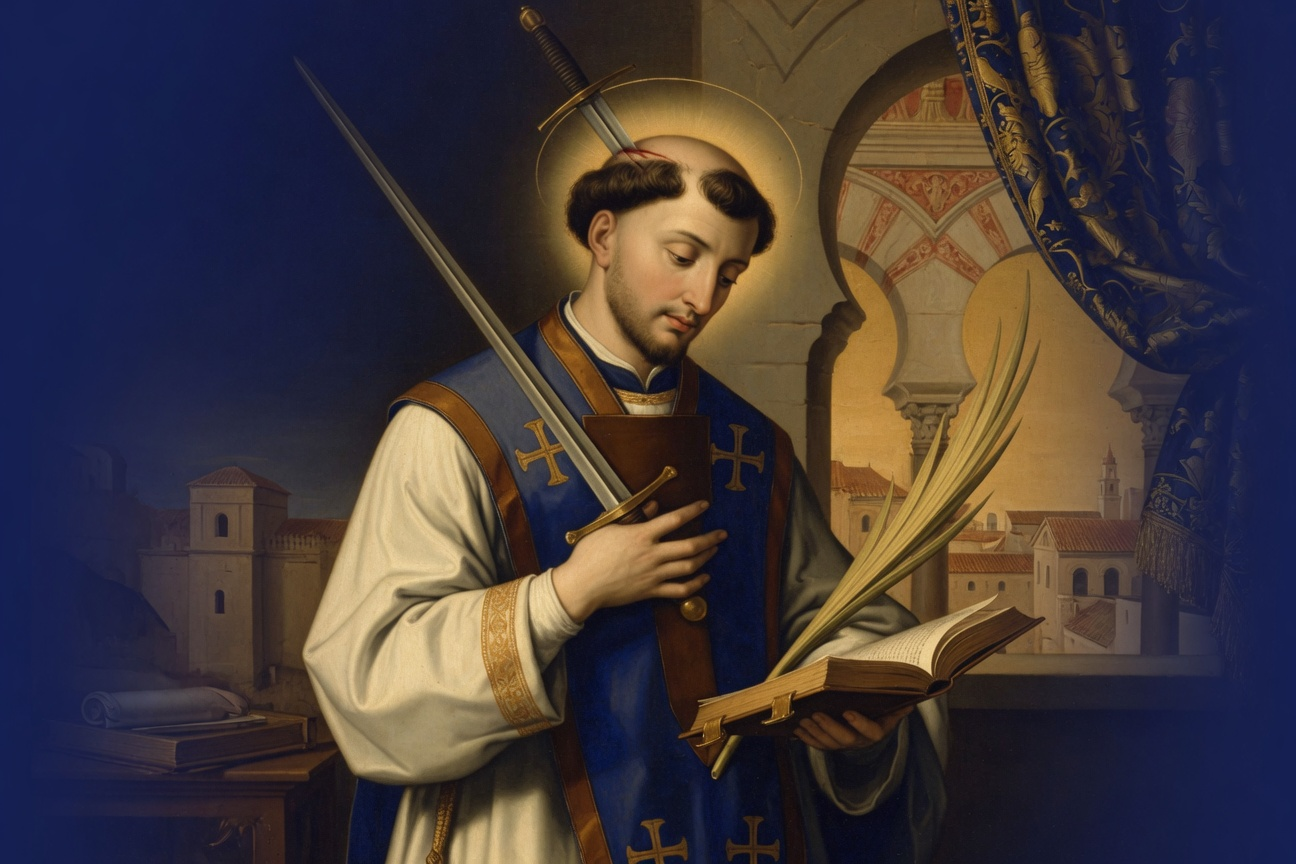
A priest of Córdoba in the 9th century, Eulogius was the great defender of Christians under Moorish rule. After encouraging many martyrs and recording their acts, he was himself beheaded in 859 for protecting Leocritia, a young convert. His literary work, notably the Memorial of the Saints, remains a major testimony of the persecution in Spain.
Contemporaries

Figures and markers around the normalized period for this entry.
Guided reading
7 reading sections
SAINT EULOGIUS, PRIEST OF CÓRDOBA,
AND SAINT LUCRETIA, MARTYRS
Youth and intellectual formation
Coming from a noble family of Cordoba, Eulogius received a careful education from the priests of Saint-Zoilus and then from the Abbot Spera-in-Deo.
In principle, one must obey one's parents, one's masters, and the constituted authorities; but when they command things contrary to the law of God, one must apply the maxim of the Apostle Saint Peter: *It is better to obey God than men*.
In a gallery where the glories of the Church that have had the purest radiance, that of a holy life, are displayed, we cannot omit the portrait of the man who was the principal ornament of Catholic Spain in the 9th century. Eulogius belonged to one of the leading families of Cordoba, a ci ty then the capital of the Moorish kingdom. The Barbarians, having ruined the empire of the Goths, had not, however, entirely abolished Christianity. They had suffered, until the birth of our Saint, the public exercise of our religion with churches and monasteries, contenting themselves with levying a tribute on each Christian at the beginning of the moons or lunar months. Eulogius entered, from his youth, into the community of the priests of Saint-Zoilus, where he learned the sciences along with piety; he became very skilled there, especially in the knowledge of the Holy Scripture; and, having exhausted the masters who had been given to him, he went to place himself under the discipline of a pious and learned abbot, named Spera-in-Deo, who governed the monastery of Cute-Clar, northwest of Cordoba. He had as a companion and rival in this excellent school an ecclesiastic of his ag e, na med Alvar, who contracted from then on a very close friendship with him, and who wrote his life after his death. He appeared, upon leaving the house of Spera-in-Deo, as a man already consumed in wisdom and exercised in all kinds of virtues: his humility above all, his gentleness, his charity won him the affection, esteem, and respect of all those who knew him. He taught letters in Cordoba for some time; then he received the Order of the diaconate, and was finally raised to the priesthood.
Ascetic life and monastic travels
Having become a priest, he led a life of austerity and traveled throughout Spain to study monastic rules before the beginning of the Moorish persecutions in 850.
He then became a great model of continence, piety, and mortification for the Church he served; he macerated his body with fasts and vigils; he prayed continually or meditated on the Holy Scripture, and his only recreation was to visit monasteries or hospitals. He drew up rules for those who served God in communities and convents, living himself as a true religious within the clergy, and showing himself a perfect ecclesiastic when he was among the monks. Not content with visiting the monasteries of his own country, he also wished to see those of distant provinces to compare their constitutions with the rules he had drawn up, and to take what he would find best: after having visited the monastery of Saint-Zacharie, in Navarre, and others in Pamplona, Zaragoza, Toledo, and elsewhere, gathering, like the bee, what the flower of doctrine and good examples offered him of the purest, he returned to Cordoba to compose the heavenly honey of perfection. However, the Moors, by some sudden fury we know not what, began to persecute the Christians in the twenty-ninth year of the reign of Abderame, which was in the year 850 of Jesus Christ. A bishop of Andalusia, metropolitan of the prov ince, named
First captivity and support for the martyrs
Imprisoned with other clerics, he encourages the virgins Flora and Mary to martyrdom and begins writing his hagiographic works.
Reccared, instead of defending the flock of Jesus Christ at the cost of his blood, threw the door of the sheepfold wide open to the fury of the wolves. It was he who had the priests of Cordoba arrested along with the local bishop; they were all locked in prisons: Saint Eulogius, who was among them, used this precious time to pray, to read Holy Scripture to the others, and to encourage them to remain faithful to God; he composed an exhortation to martyrdom for two virgins name d Flo ra and Mary: "They threaten to sell you publicly and to dishonor you," he told them; "but know that no one can harm the purity of your soul, whatever infamy they may make you suffer; cowardly Christians, to shake you, represent to you that the churches are silent, deserted, and without sacrifices because of your obstinacy; that, if you would yield for a time, you would recover the free exercise of your religion. But know that, for you, the sacrifice most pleasing to God is the contrition of the heart, and that you can no longer turn back or renounce the truth you have confessed." Fortified by such instructions, our two holy victims allowed themselves to be immolated in honor of Jesus Christ; Saint Eulogius and the other prisoners, having learned of this, immediately gave thanks to God. They celebrated Mass in their honor, commending themselves to their prayers. Six days later, they were delivered from prison, following the promise of the holy Flora and Mary, for they had told some of their friends that, as soon as they were before Jesus Christ, they would pray to Him for the freedom of their brothers. Saint Eulogius immediately composed the history of this glorious martyrdom, to excite other confessors to run this noble race, until they deserved to receive the same crown. He used his freedom only to instruct and confirm his brothers, whether by word of mouth or by the pen; his zeal increasing with the persecution under Mohammed or Mehemed, son of Abd-ar-Rahman II, he prevented an infinity of weak Christians, or those still attached to the earth, from disavowing Jesus Christ, and he sent many chosen ones to martyrdom. There were some of all conditions: ecclesiastics, religious, and married persons. He took great care to collect the Acts of these holy martyrs himself, and he composed three books of history from them, which we have under the title of Memorial. He then wrote an Apologetic against those who envied them the sta tus of martyrs, under the pretext: 1st that they performed no miracles, like the ancient martyrs; 2nd that they had gone to meet death instead of waiting for it; 3rd that they had lost their lives all at once, without passing through various torments; 4th that they had not been killed by idolaters, but by people who recognize the true God, as are all the Mohammedans. Eulogius, in defending these saints, justified himself, because he had excited some to suffer and approved the courage of others.
The protection of Leocritia
Eulogius protects Leocritia, a young convert fleeing her Muslim parents, which leads to his final arrest.
After the death of the Archbishop of Toledo, the clergy and the people of that city cast their eyes upon our Saint, who was already regarded as the finest ornament of the Church in Spain, as much for his doctrine, his ability, and his virtue, as for the glory of the confession he had already made of the faith of Jesus Christ. But it pleased Our Lord to crown him before he was consecrated. There was in Cordoba a Christian virgin, named Le ocritia, whom many call Lucretia; converted at a very young age from the gentility, or rather from the infidelity of Muhammad, to the faith of Jesus Christ, through the means of one of her relatives, she found herself extremely mistreated by her father and mother, who wished to force her to apostatize; she took refuge with Saint Eulogius, who took her under his protection and entrusted her to the care of his sister Annulon, who professed virginity in her father's house, until
LIVES OF THE SAINTS. — VOLUME III. 23 until, having perfectly instructed her in her duties and strengthened her in her holy resolutions, he had her placed in safety with a friend. The parents of Leocritia, suspecting what might have happened to their daughter, obtained from the magistrate the power to investigate her alleged abduction and to seize all those who were suspicious to them. Many people were taken, upon whom were inflicted harsh questioning and various other torments, while Saint Eulogius, watching continually over Leocritia, had her secretly moved from one house to another to preserve her faith and to have more leisure to prepare for the martyrdom, which he could not avoid while protecting her. He spent the nights in prayer for her in the church of Saint Zoilus; she, for her part, fasted, kept vigil, and slept on ashes, covered in a hairshirt.
Trial, Confession of Faith, and Execution
Before the king's council, he refuses to apostatize and defends the Gospel before being beheaded on March 11.
They were finally taken, both of them, thrown into a dismal prison, and then presented to the judge. The latter asked Eulogius why he kept this girl in his home. The Saint replied that priests could not refuse instruction to those who requested it; he showed him that, according to the very principles of those who persecuted Christians, he had been right to make her prefer God to her parents. He offered to show the judge the true path to heaven just as he had to her; to show him the impostures of the false prophet Muhammad, and to prove to him that Jesus Christ is the only way of eternal salvation: which was all that he had taught Leocritia. The furious judge ordered him to be whipped. But the Saint having told him that he would have done better to condemn him to death at once, and that, far from ever changing, he would gladly give several lives, if he could, for the defense of the truths he upheld, he had him taken to the palace, before the king's council. One of the councilors took the Saint aside and told him that they would have regard for his merit; that it was only a matter of renouncing Christ with his lips, before the tribunal, for a moment, and that afterwards he would have full liberty to remain a Christian as before. Eulogius was horrified by such a proposal: "Ah! If you could know," he replied, "the rewards that await those who keep our faith, you would renounce your temporal dignity." He even dared to boldly propose the truths of the Gospel to the council; but, so as not to listen to him, they immediately condemned him to be beheaded. As he was being led to the execution, one of the king's eunuchs slapped him; our Saint, instead of complaining, presented the other cheek, and the infidel had the insolence to strike it, forgetting the respect he owed at least to the place where he was. When our Saint, happy to represent in his person a part of the Passion of his Savior, had arrived at the place of execution, he prayed on his knees, stretched his hands to heaven, made the sign of the cross over his whole body, to make it victorious through this invincible weapon and to unite his death to the merits of Jesus Christ dying on the cross; finally, he offered his head to the executioner with admirable firmness, and thus consummated his glorious martyrdom, on Saturday, Marc h 11, in the yea r 839. Saint Leocritia was beheaded the following Wednesday, and buried in the church of the martyr Saint Genesius. The faithful ransomed the head of Saint Eulogius from the executioner, and buried it honorably with his body, in the church of the martyr Saint Zoilus. It was exhumed on the first day of June of the following year; and because the eleventh of March was usually occupied by Lent, the feast was moved to the day of this first translation, and it is celebrated in Cordoba with an Octave. This hol y body was later transported to Oviedo, along with that of Saint Lucretia, on January 19, 883, and a third translation was made in the year 1300, to Camarasanta.
Cult, relics and representations
The saint's body underwent several translations to Oviedo and Camarasanta, while his iconography emphasizes his martyrdom by the sword.
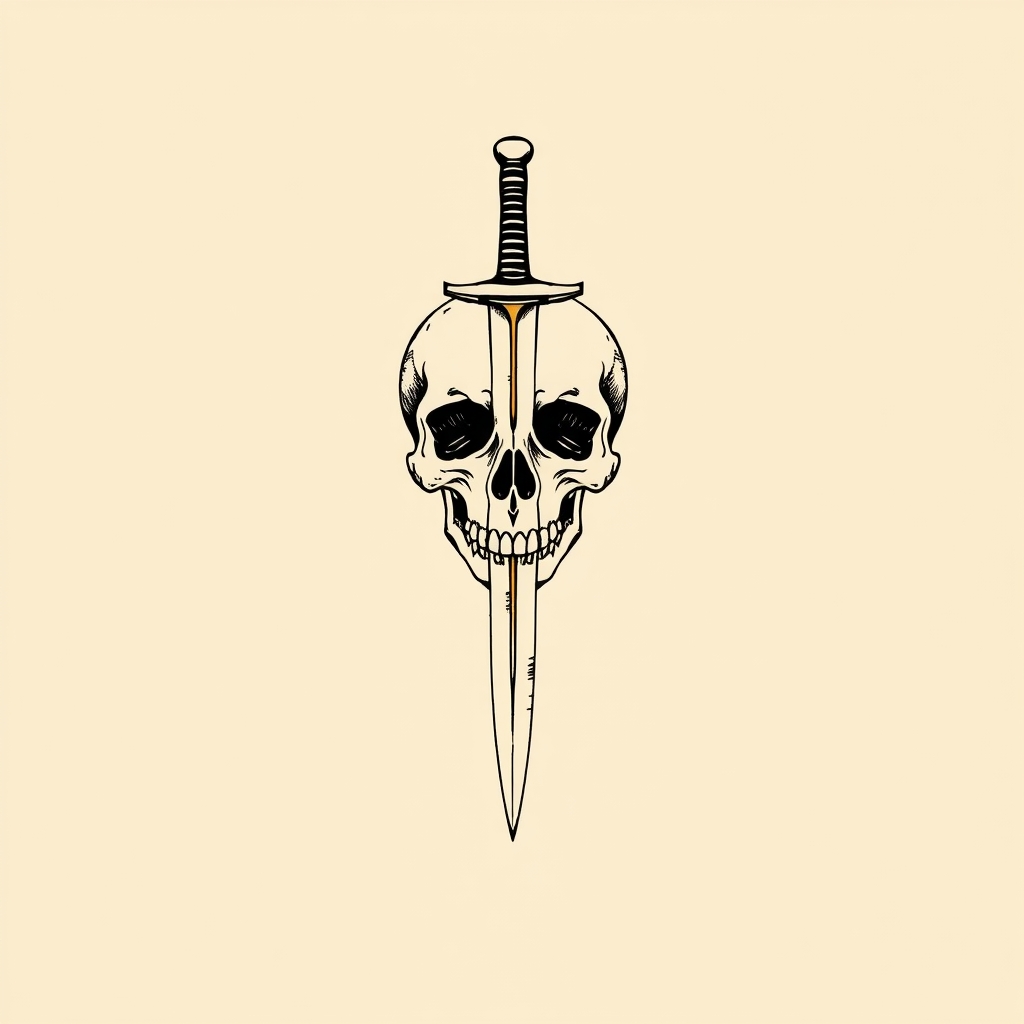
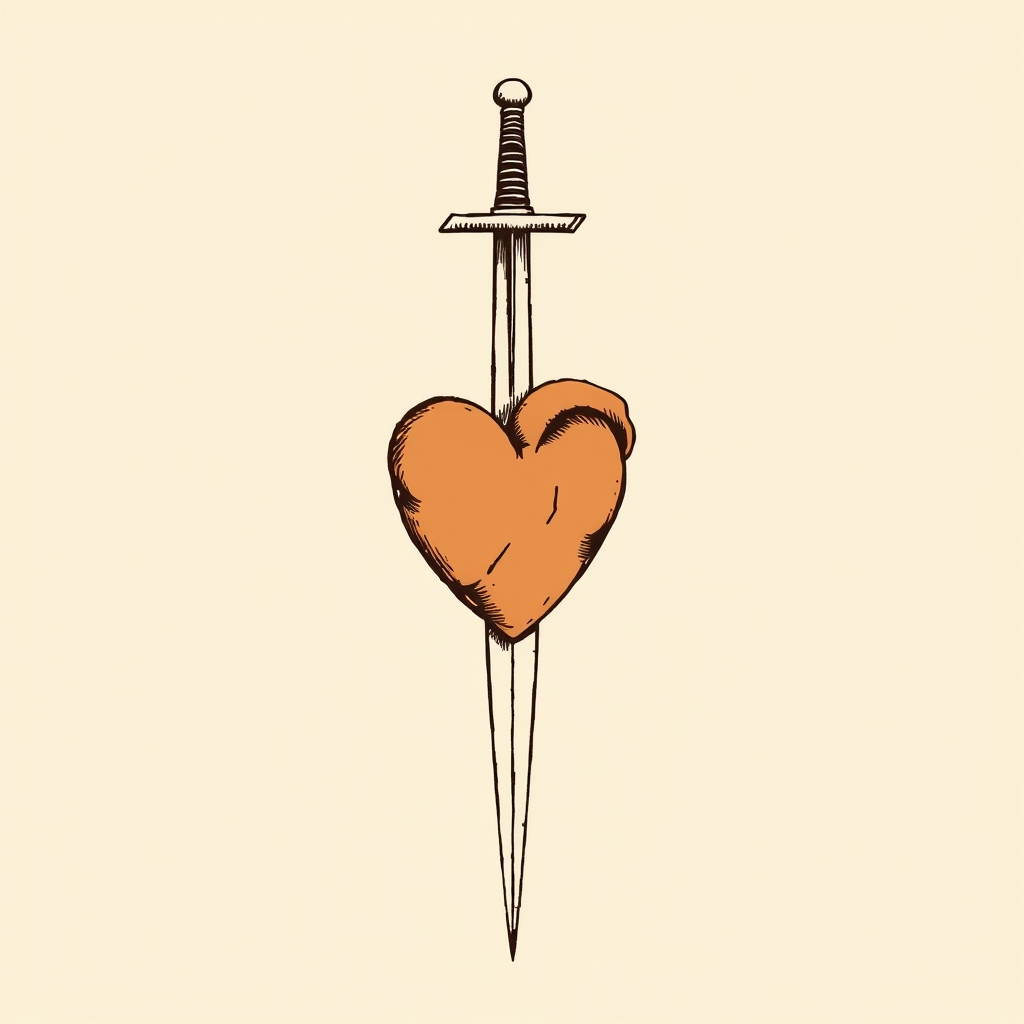
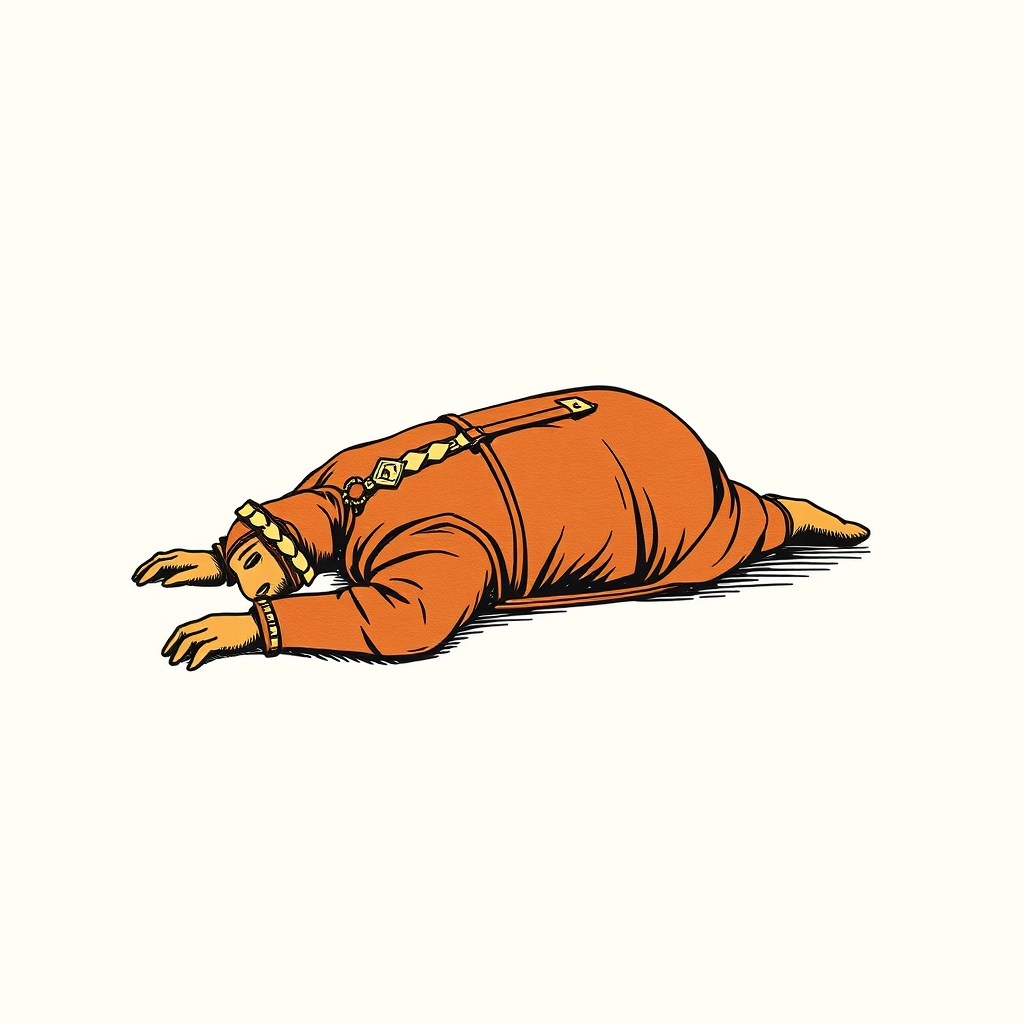
Saint Eulogius is depicted standing, his skull split by a sword, his heart pierced by a dagger; he holds a book and a palm; on the ground lies a fallen Turk. All these details are explained by the life and martyrdom of the Saint. — The whip may also serve as his attribute, since he was cruelly scourged before his beheading. — He is sometimes grouped with Saint Lucretia, because their bodies were transported at the same time to Oviedo, in 883, on the 9th of January. He is invoked in Cordoba, in Elne, and in Oviedo. The carpenters of Spain have taken him as their patron; we cannot say why.
The literary work of Saint Eulogius
The text lists the major writings of Eulogius, notably the Memorial of the Saints, an essential document on the martyrs of Cordoba.
## WRITINGS OF SAINT EULOGIUS.
Saint Eulogius left us, in a work entitled *Memorial of the Saints*, in three books, the acts of the martyrs of Cordoba. One of the first who suffered in the persecution of the Muslims was a monk named Ixone; he had been a clerk and had left his post to enter the monastery of Tabannes, seven miles from Cordoba (June 3, 851). — The priest named Perfectus had been raised in the monastery of Saint Acisclus. He was known to the Muslims because he knew Arabic perfectly. It is said that as he was passing through the streets of Cordoba, he was asked what he thought of Jesus Christ and Muhammad: the answer he gave led to him being denounced to the cadi and condemned to death (April 18, 850). It was that year that the great persecution of Cordoba began. — The following year suffered: the monk Isaac, a young man named Sanctius, Flora, and Mary (November 24, 851). — The year after, the city of Cordoba was watered with the blood of Aurelius and his wife Sabigotho; of Felix and his wife Liliosa: these four martyrs had sold their goods to distribute them to the poor; their assiduity toward and among the captive Christians signaled them to the hatred of hell (July 27, 852). Book III of the *Memorial of the Saints* recounts the struggles of the young monk Fandila, who, sensitive to the mockery to which Christians were subjected, went to preach the Gospel to the Muslim cadi and reproached him for the impurities of his sect; of another monk named Anastasius; of the priest Abundius, of Felix, of Dignus, of Benildis, of Columba, etc. The cadi, who had been amazed by the beauty of Columba as much as by her constancy, forbade exposing her body like that of the other martyrs. Clad in her linen garments, and placed in a basket, she had the waves for a tomb. See on March 13 the summary of the acts of Saint Roderick and Saint Salomon, which were also written by Saint Eulogius.
One will find in volume CXV of Migne's *Patrologia Latina*, the *Memorial of the Martyrs* of Saint Eulogius, as well as his other writings: his *Apologetic for the Martyrs*, or the legitimacy of the cult rendered to them; his *Exhortation* to Flora and Mary, and his v ariou s letters.
The writings of Alvarus, a friend of Saint Eulogius, who was considered the greatest doctor of his time, are found in volume CXXI of the *Patrologia Latina*: they consist of a *Life of Saint Eulogius*, which we have just summarized, a *Confession* or autobiography, and various letters.
Iconography
Signs and attributes
Entities
Narrative network
The names, places, and concepts most present in the entry, weighted by centrality in the text.
Frequently asked questions about Saint Eulogius of Cordoba
Who was Saint Eulogius of Cordoba?
A priest of Córdoba in the 9th century, Eulogius was the great defender of Christians under Moorish rule. After encouraging many martyrs and recording their acts, he was himself beheaded in 859 for protecting Leocritia, a young convert. His literary work, notably the Memorial of the Saints, remains a major testimony of the persecution in Spain.
What is Saint Eulogius of Cordoba the patron saint of?
Patronage of Saint Eulogius of Cordoba: carpenters of Spain.
How is Saint Eulogius of Cordoba depicted in Christian art?
In iconography, Saint Eulogius of Cordoba is recognizable by: skull split by a sword, heart pierced by a sword, book, palm, Turk overthrown at his feet and whip.
How did Saint Eulogius of Cordoba die?
Saint Eulogius of Cordoba suffered martyrdom for the Christian faith (9th century).
Which saints were contemporaries of Saint Eulogius of Cordoba?
Contemporaries include: Saint Ansgar (Apostle of the North), Saint Bernard of Menthon (Apostle of the Alps), Saint Rumold (Rombaud) and Saint Zachary, Pope.
What are the other names of Saint Eulogius of Cordoba?
Other forms of the name: Eulogius.
Who are the relatives of Saint Eulogius of Cordoba?
Relatives of Saint Eulogius of Cordoba: Annulon (sister).
Annexes & related entities
Structured data for exploration: events, miracles, quotes, places, attributes, patronages, and important entities cited in the text.
Key Events
- Studies at the monastery of Cute-Clar under Abbot Sperendieu
- Ordination to the priesthood in Cordoba
- Imprisonment in 850 during the persecution of Abd ar-Rahman
- Writing of the Memorial of the Saints and the Apologetic
- Election as Archbishop of Toledo (not consecrated)
- Protection of the convert Leocritia
- Martyrdom by beheading after being slapped
Quotes
-
We must obey God rather than men
Acts of the Apostles (cited by the author) -
Ah! If you could know the rewards that await those who keep our faith, you would renounce your temporal dignity.
Eulogius's response to the king's advisor