
Saint Cunigunde, Empress
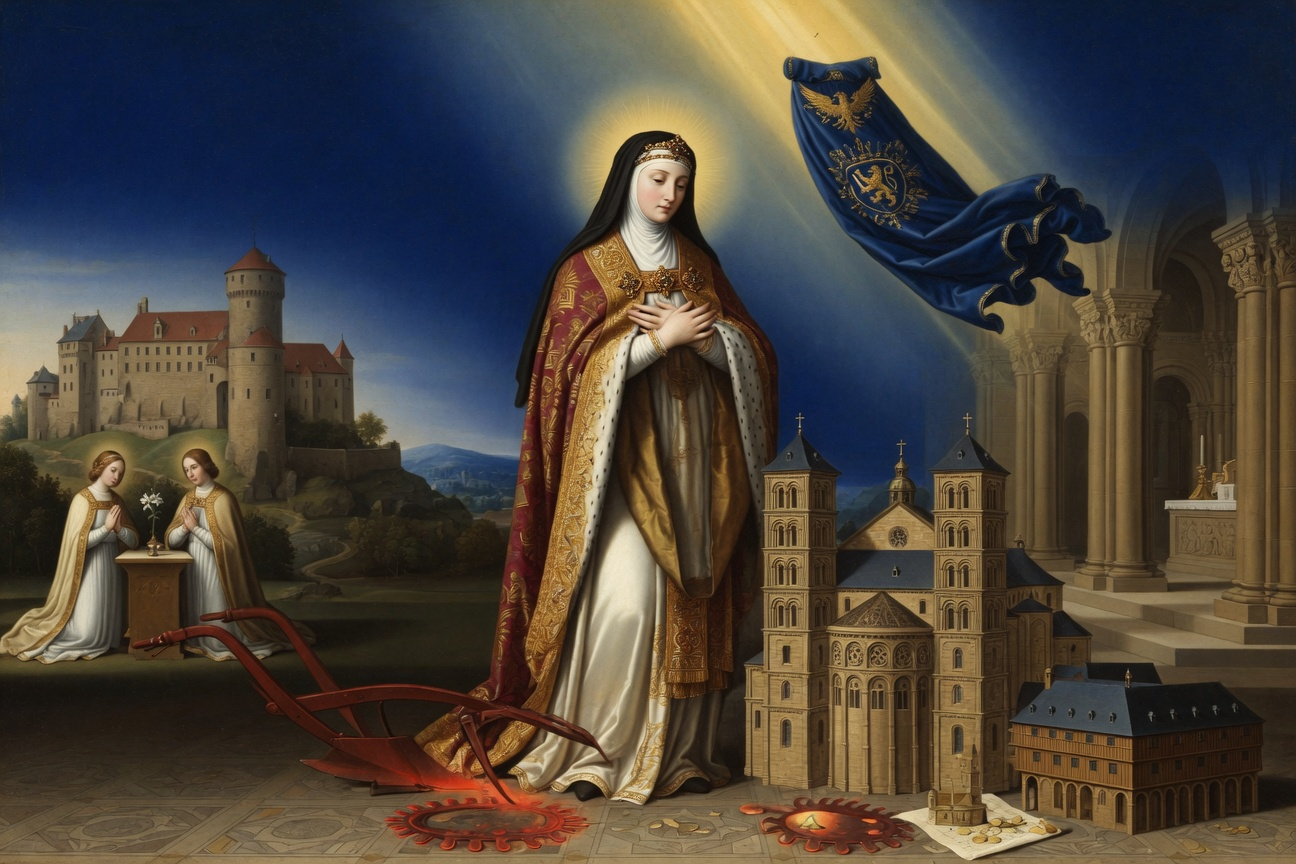
Daughter of the Count of Luxembourg and wife of Emperor Henry II, Cunigunde lived in a consented perpetual virginity. After proving her innocence through the ordeal by fire and founding numerous religious buildings, she ended her days as a simple nun at the monastery of Kauffungen. She is buried alongside her husband in the Bamberg Cathedral.
Contemporaries

Figures and markers around the normalized period for this entry.
Guided reading
7 reading sections
SAINT CUNIGUNDE, EMPRESS
Origins and chaste marriage
Daughter of the Count of Luxembourg, Cunigunde married Emperor Henry I while making a vow of perpetual virginity with his consent.
Timentibus Deum omnia cooperantur in bonum. All things work together for good to them that love God. Rom., VIII, 28. This ill ustrious princess was th e daughter of Siegfried, first Count of Luxembourg, of the house of the Counts Palatine of the Rhine or the Moselle. Having been married to Empe ror Henry I, son of another Henry, Duke of Bavaria, she consecrated her virginity to the King of Heaven and preserved it until death, with the consent of her chaste spouse. God alone, in the beginning, was witness to this; but as He did not wish an action so brilliant in His eyes to remain buried in darkness, He permitted it to be known to everyone, and confounded, by this same means, the wickedness of those who dared to accuse the innocence of this virgin of Jesus Christ. She walked barefoot, and without receiving any harm, upon red-hot plowshares; thus everyone knew the merit of her continence, which she strove to hide under the imperial purple, in order to be able to execute, with greater ease, the good works that God caused her to undertake for His glory.
The Ordeal of the Plowshares
Unjustly accused, she proves her innocence and chastity by walking barefoot over red-hot plowshares without sustaining any injury.
After having built and superbly adorned, with the Emperor, her hus band, the church of Bamberg, which they consecrated to the Prince of the Apostles and to Saint George, martyr, she applied herself, with equal care, to founding, in honor of Saint Michael, a monastery of the Order of Saint Benedict; and, from the funds of her dowry, she built another, smaller one, to which she gave as patron Saint Stephen, first martyr, and where she placed canons; finally, she built a third, with great magnificence, in honor of the holy and victorious Cross of Our Lord Jesus Christ, in a place named the Refug e, where she established nuns to live there according to the rule of the same Saint Benedict. But these holy Spouses did not limit their liberality toward the churches to this: they demonstrated it in so many other ways that they carried everywhere, even outside their empire, the good odor of Jesus Christ. O happy marriage whose bond was not voluptuousness, but charity! O holy union, where was found the same desire for an inviolable chastity, the same spirit of compassion toward the poor, the same affection for truth, the same love for virtue, the same hatred against vice, the same will in all things, and finally a conformity so marvelous that one could not notice any difference of sentiments in that great number of actions which have rendered their life so pleasing in the eyes of God, and so admirable before men!
A Building Couple
The imperial couple founded numerous religious edifices, notably the Bamberg Cathedral and several Benedictine monasteries.
When Emperor Henry, who had always been a faithful guardian of the chastity of this blessed princess, had left her a virgin in the hands of Jesus Christ, just as he had received her from Him, and had gone to enjoy the eternal felicities toward which he had always sighed, this admirable widow continued with the same application, on one hand to protect the churches she had founded and the religious persons she had assembled there for the service of God, and on the other to perfect herself through the victory she won over her appetites and through the acquisition of the most eminent virtues. It was toward this that her vigils and prayers tended, and just as during the day she imitated the active life of Martha, she practiced during the night the contemplative life with Mary.
Entry into Religious Life
After the death of Henry, Cunigunde abandons her imperial ornaments to take the monastic habit at the monastery of Kaufungen.
One year after the death of her holy spouse, seeing herself relieved of all earthly cares by the election of Conrad, who was raised to the empire, she had the church of the Refuge, which she had founded, consecrated by archbishops; and, in the middle of the Mass, being dressed as an empress and adorned with all the ornaments befitting such an eminent dignity, she offered on the high altar a piece of the True C ross, which, although small, was nevertheless one of the greatest treasures she could have offered. After the Gospel was read, where mention is made of Zacchaeus, who climbed a tree to see Jesus Christ, and who deserved to receive Him into his home and to be honored with His blessing, she stripped herself of her superb ornaments, received the episcopal blessing, and clothed herself in the religious habit she had made with her own hands. Her hair was cut, which was kept with great veneration in this monastery; the bishop placed the veil on her head and gave her the ring as a pledge of the fidelity she was to keep inviolably to her divine Spouse. None of those present could see what was happening without shedding tears of joy for this princess and of sorrow for themselves.
Humility at the monastery
Having become a simple nun, she distinguished herself by her humility, manual labor, and her devotion to the sick and the poor.
Thus, the wife of an emperor became the spouse of God and the companion of those she could consider her daughters; but, far from preferring herself to them as their mother, she served them humbly and wished to be considered the least of the entire monastery, so much did she flee ostentation, for fear of receiving her reward in this life. She worked with her hands, because she knew it is written that "the one who does not work should not eat"; she spoke to her divine Spouse, either through fervent prayers or through canticles of praise; she often went to the church without being seen by anyone; she was grave and serious; but her gravity was always accompanied by cheerfulness; she constantly kept in mind the brevity of this life; she found her rest in prayer; her way of acting was uniform; she neglected the care of her body, because she did not believe that one should treat delicately a flesh that was to be, in such a short time, the food of worms; she was often seen reading or listening to others read; she loved her companions perfectly, visited the sick, and took extreme care to assist and console the poor.
Among several miracles attributed to this saint during her life, we will report only one which is quite remarkable. One night, after long prayers, sleep began to overwhelm her; she had laid herself on her bed, which was only a simple straw mattress covered with a hairshirt; the nun who was accustomed to reading the Holy Scripture to her also fell asleep, and dropped the candle she had in her hands. The fire having reached the straw mattress, it caught immediately and soon began, by the noise it made, to awaken the other nuns. The Saint, having also awakened, found herself in the midst of the flames; she had recourse to her ordinary weapons, prayer, made the sign of the cross, and the fire was extinguished at that very instant, without having touched her clothes in the least.
Death and burial in Bamberg
She died after fifteen years of religious life, refusing any pomp for her funeral, and was buried beside her husband in Bamberg.
When she had thus spent fifteen years in religion, with such humility and piety that she was admired by everyone, her extreme abstinence, her prayers, and her continual vigils finally caused her to fall into such a languor, and subsequently into such a great illness, that no strength remained in her. But the more her body weakened outwardly, the more her spirit was fortified inwardly, and the praises of God were continually in her mouth. When she saw herself in this state, she implored the help of the holy Angels whose purity she had imitated on earth, that of the Apostles and Confessors whose faith she had always professed, and of the Virgins, companions of the spotless Lamb, in whose example, having lived in a mortal body as if she had no body at all, she had inviolably preserved her virginity, even in marriage.
The news of the extremity in which she lay filled not only all her good nuns with sorrow, but also people of every condition in the city. When she was near to giving up the ghost, and the prayers for the dying were already being recited, having noticed that a funeral shroud embroidered with gold was being prepared to be placed upon her coffin, she was so surprised to see herself treated as an empress, and not as a poor nun, that her face, which appeared cheerful because of the joy she felt at the coming of Jesus Christ, her Spouse, changed immediately; she made a sign with her hand and said: "This ornament does not suit me; take it away from here. When I married a mortal man, I wore rich garments; but the poor habit I have now is that of a spouse of Jesus Christ; do not, therefore, seek other ornaments to cover my body, and bury it beside that of my brother and my lord, the Emperor Henry, who is calling me, I see him." Her life ended with these words, and she rendered her soul to God.
The sorrow for her death was so great and so general that people came in crowds from all parts to attend her funeral; and it was with difficulty that one could, through such a press, carry her holy body into the church of Saint Peter in Bamberg. It was buried there with the honor that was due t o her, beside that of the Emperor H enry, her husband, just as she had ordered. He has since performed a multitude of miracles.
Posterity and canonization
Canonized in 1200 by Innocent III, she is depicted with the symbols of her foundations and her miraculous ordeal.
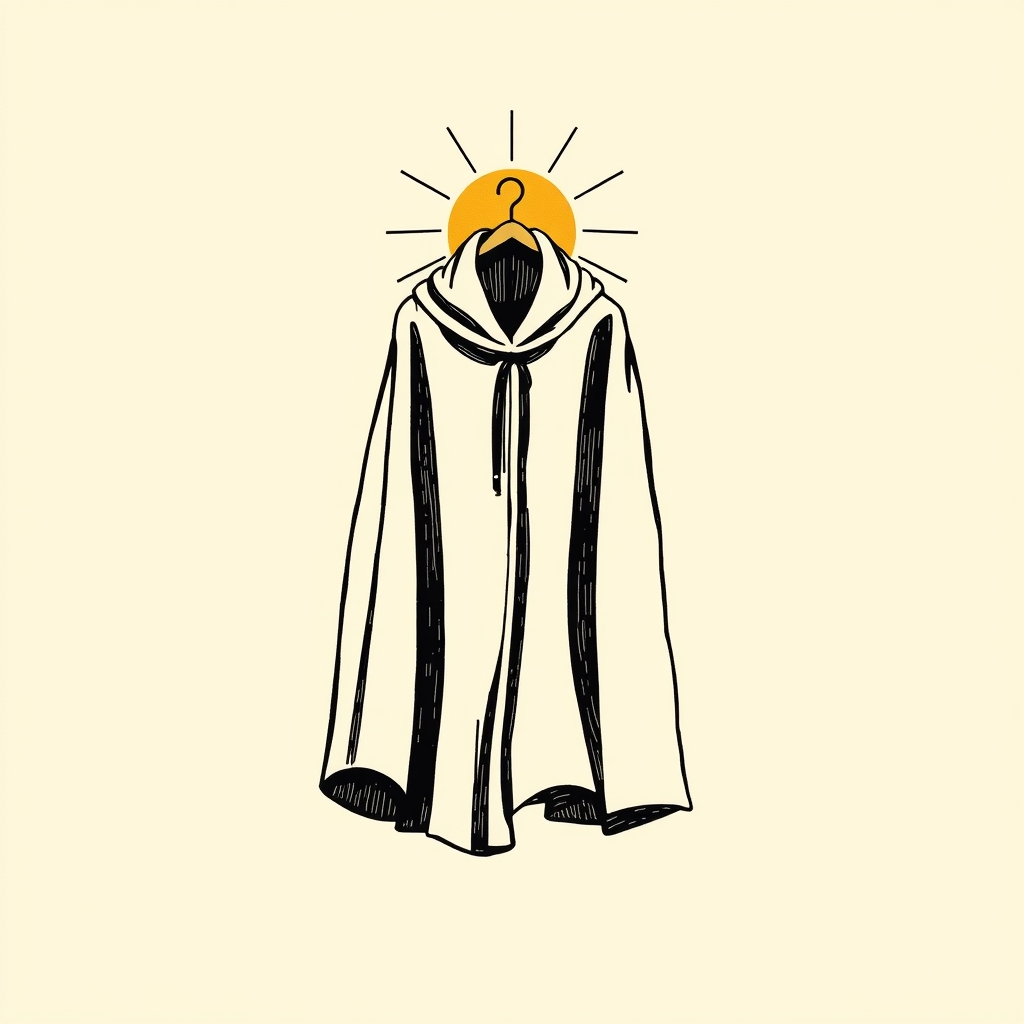
She is represented hanging her cloak on a sunbeam; walking barefoot on red-hot irons shaped somewhat like plowshares; carrying in her hand the monastery of Kauffungen, in Hesse, which she had built and where she took the veil, etc. — When she is in the company of Saint Henry, the monument she ca rries repre sents the Cathedral of Bamberg. She is, with Our Lady and Saint Henry, the patroness of this city.
See the Bull of her canonization, issued by Pope Innocent III in the year 1200: it is reported by Su rius on March 8, and by the learned Grosserus, in his opuscule on the Saints of Bamberg. The Roman Martyrology also makes honorable mention of this holy Empress.
Iconography
Signs and attributes


Entities
Narrative network
The names, places, and concepts most present in the entry, weighted by centrality in the text.
The supernatural in their life
The miracles of Saint Cunigunde, Empress
Frequently asked questions about Saint Cunigunde, Empress
Who was Saint Cunigunde, Empress?
Daughter of the Count of Luxembourg and wife of Emperor Henry II, Cunigunde lived in a consented perpetual virginity. After proving her innocence through the ordeal by fire and founding numerous religious buildings, she ended her days as a simple nun at the monastery of Kauffungen. She is buried alongside her husband in the Bamberg Cathedral.
What is Saint Cunigunde, Empress the patron saint of?
Patronage of Saint Cunigunde, Empress: Bamberg.
How is Saint Cunigunde, Empress depicted in Christian art?
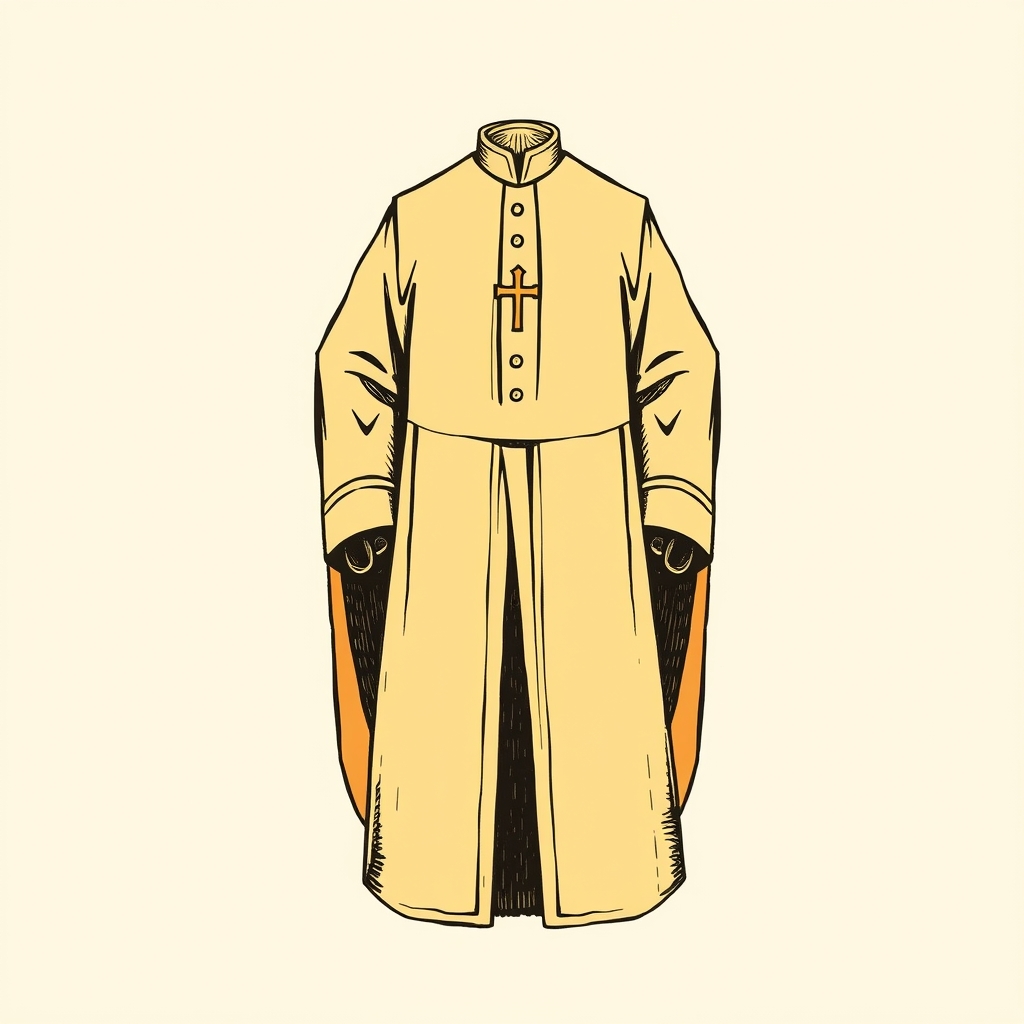
In iconography, Saint Cunigunde, Empress is recognizable by: red-hot plowshares, church model (Bamberg Cathedral or Kauffungen Monastery), cloak hanging on a sunbeam and imperial or religious habit.
What miracles are attributed to Saint Cunigunde, Empress?
3 miracles are attributed to this saint, notably: Mastery of the elements and Sign / wonder.
Which saints were contemporaries of Saint Cunigunde, Empress?
Contemporaries include: Saint Bernard of Menthon (Apostle of the Alps), Saint Stephen of Hungary, Saint Norbert of Magdeburg and Saint Bernard of Clairvaux.
When did Saint Cunigunde, Empress die?
Saint Cunigunde, Empress died around 1100.
Who are the relatives of Saint Cunigunde, Empress?
Relatives of Saint Cunigunde, Empress: Siffroi (ou Sigefroi) (father) and Henri Ier (spouse).
Annexes & related entities
Structured data for exploration: events, miracles, quotes, places, attributes, patronages, and important entities cited in the text.
Key Events
- Marriage to Emperor Henry II with a mutual vow of virginity
- Ordeal by red-hot plowshares to prove her innocence
- Foundation of the Bamberg church and several monasteries
- Took the habit at the monastery of the Refuge (Kauffungen) one year after her husband's death
- Life as a humble nun for fifteen years
Quotes
-
This ornament does not suit me; take it away. When I married a mortal man, I wore rich clothes; but the poor habit I have now is that of a spouse of Jesus Christ.
Words spoken at the agony