
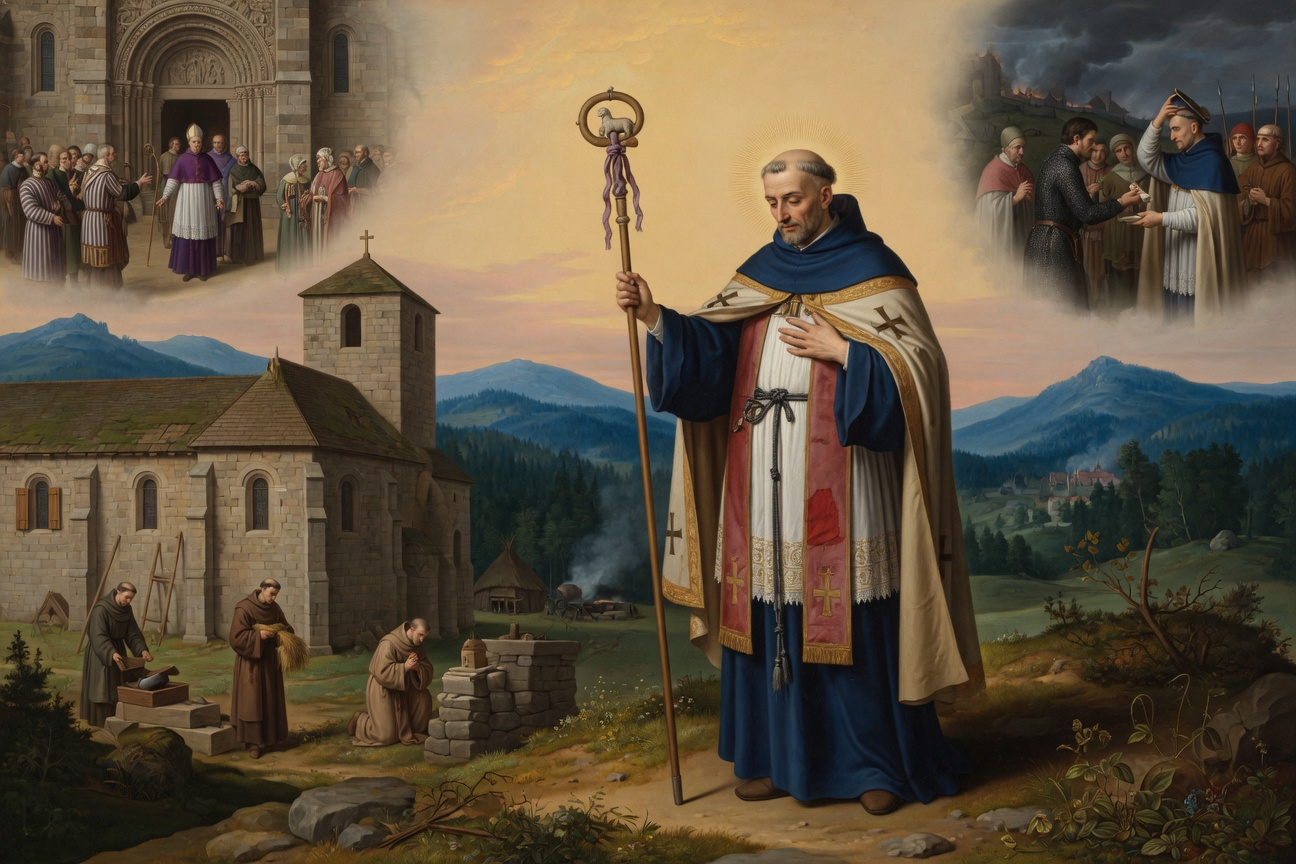
Archbishop of Sens in the 7th century, Gundelbert left his see due to civil wars to retire into the solitude of the Vosges. He founded the Abbey of Senones there in 661 on land granted by King Childeric II. He ended his days in austerity, possibly during a pilgrimage to Moyenvic.
Contemporaries

Figures and markers around the normalized period for this entry.
Guided reading
5 reading sections
SAINT GUNDELBERT, ARCHBISHOP OF SENS,
FOUNDER OF THE ABBEY OF SENONES
Episcopate at Sens
Gundelbert, of Frankish origin, becomes Archbishop of Sens, where he distinguishes himself by his apostolic zeal and piety.
Between 646 and 730. — Popes: Saint Eugene I; Vitalian. — King of Burgundy and Neustria: Clotaire II. — King of Austrasia: Childeric II.
According to the monk Richer, in his chronicl e, Gundelb ert, of the Frankish nation, deserved by his knowledge and virtues the honor of ascending to the archiepiscopa l se e of Sens, in the Duchy of Burgundy. He first devoted himself with apostolic zeal to the functions of his eminent dignity, seeking in all his acts nothing other than the glory of God, the propagation of the Gospel, and the sanctification of his flock. But the troubles stirred up by the intrigues of Fredegund and Brunhilda, according to some, and, according to others, by the bloody battles waged by Kings Theodoric and Theodebert, paralyzed his efforts; he placed his pastoral staff in other hands, disposed of his patrimony, and, followed by a few clerics, he departed to devote himself, in the calm of solitude, to prayer and the meditation of eternal truths.
Abdication and Retirement
Faced with political unrest and civil wars between Merovingian kings, he abandoned his office to seek solitude.
Having reached the Vosges mountains, he stopped and resolved to settle in a place bristling with forests, completely uninhabited and watered by a small river which, due to the rapidity of its current, was named the Rabode. Informed that this place was in the domain of Childeric II, King of Austrasia, he went to ask this prince for permission to build a dwelling there, which he obtained along with the complete cession of an area of land to which Dom Calmet assigns a circumference of fifteen leagues (60 kilometers). The diploma that secures this royal concession for Gundelbert dates from the year 661. Soon the new solitaries, following their leader, had felled centuries-old trees, brought into cultivation a space of land which they made fertile, and built a monastery to which the holy archbishop gave the name of the city he had inhabited: Sens, in Latin Senonae, from which Senones was derived in French.
Foundation of the monastery of Senones
He settled in the Vosges after obtaining a grant from King Childeric II in 661 to found the monastery of Senones.
In his 19th opuscule, entitled: *On the Abdication of the Episcopate*, addressed to Pope Nicholas II, Saint Peter Da mian expresses himself thus regarding our
Testimony of Saint Peter Damian
Saint Peter Damian cites Gundelbert as a model of episcopal abdication in his writings in the 11th century.
Saint: What shall I say of Gundelbert, that illustrious archbishop of Sens? Burning with a celestial desire, he left the Church that had been entrusted to him, in order to build, in a place named Grandiacium, the monastery of Senones, which he named thus after the name of the diocese he had previously administered.
Uncertainties regarding the end of life
The date and place of his death remain unclear, although a tradition states he was buried at Moyenvic around the year 720.
The time and place of Saint Gundelbert's passing remained undetermined for a long time; even today, they are known only by approximation. Richer limits himself to saying: "But because nothing certain is found regarding his burial, I have preferred to write nothing about it rather than to raise a doubtful matter for posterity, notwithstanding that some maintain he rests with others of his holy companions a t the pl ace of Moyenvic." Jean Ruyr repeats the same thing, in almost the same terms, in Book IV (Part II) of the Saintes Antiquités de la Vosge; but in Chapter VII of Part 3, "according to what the Authors or Manuscripts" have provided him, he assigns approximately the year 720 for the death of the holy founder of Senones. Finally, Dom Calmet reports, following Richer, that it is held that "this holy prelate, having gone on a pilgrimage to Moyenvic to visit the relics of Saints Pient, Agent, and Colombe, died there and was buried there. But," he continues, "we have no certain monument of this fact." It seems very extraordinary that a personage of this merit, archbishop of a great see, founder of a famous monastery, father of a great number of religious, should have remained unknown to the point that one is ignorant of where he died and the place of his burial. This proves much better the great retreat, the extreme selflessness, the lack of curiosity and vanity of these holy solitaries, than their indifference toward their father and founder.
We owe this notice to M. l'abbé Guillaume, honorary canon, chaplain of the ducal chapel, in Nancy.
Iconography
Signs and attributes
Entities
Narrative network
The names, places, and concepts most present in the entry, weighted by centrality in the text.
Frequently asked questions about Saint Gundelbert
Who was Saint Gundelbert?
Archbishop of Sens in the 7th century, Gundelbert left his see due to civil wars to retire into the solitude of the Vosges. He founded the Abbey of Senones there in 661 on land granted by King Childeric II. He ended his days in austerity, possibly during a pilgrimage to Moyenvic.
What is Saint Gundelbert the patron saint of?
Patronage of Saint Gundelbert: Senones Abbey.
How is Saint Gundelbert depicted in Christian art?
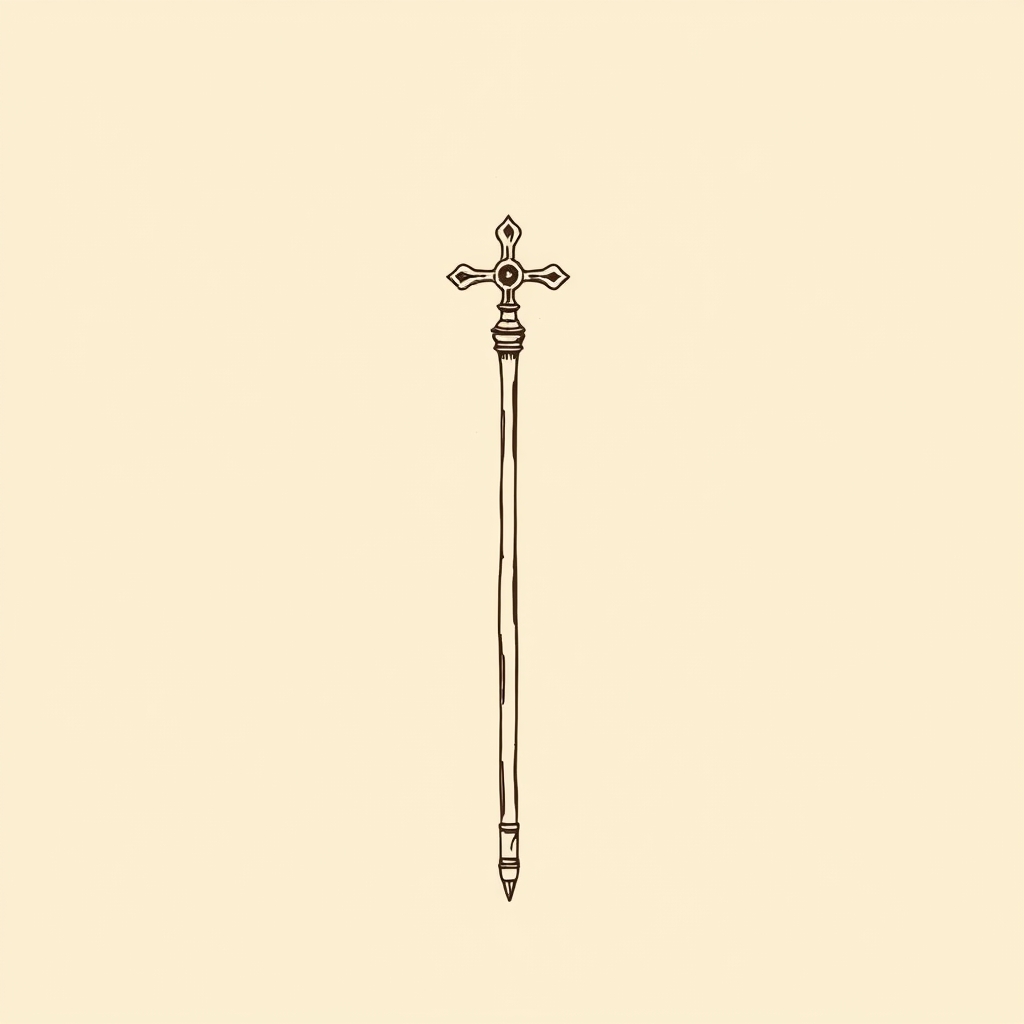
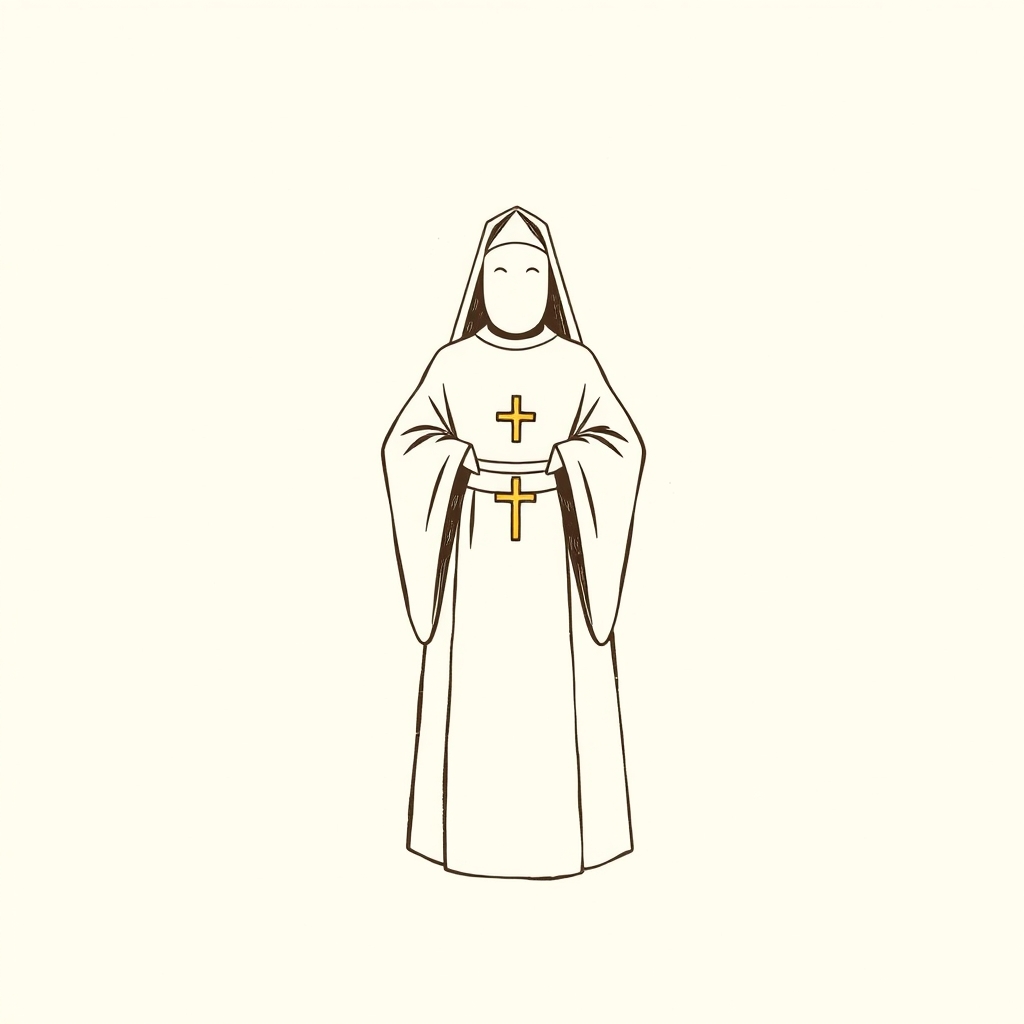
In iconography, Saint Gundelbert is recognizable by: pastoral staff and monastic or episcopal habit.
Which saints were contemporaries of Saint Gundelbert?
Contemporaries include: Saint Hidulph of Trier, Saint Ghislain (Guillain), Saint Lambert (Landebert) and Saint Amand of Maastricht.
When did Saint Gundelbert die?
Saint Gundelbert died around 720.
What are the other names of Saint Gundelbert?
Other forms of the name: Gundelbertus.
Annexes & related entities
Structured data for exploration: events, miracles, quotes, places, attributes, patronages, and important entities cited in the text.
Key Events
- Accession to the archiepiscopal see of Sens
- Abdication of the episcopate following political unrest
- Retirement in the Vosges with a few clerics
- Obtained a territorial grant from Childeric II in 661
- Foundation of the monastery of Senones
- Pilgrimage and possible death in Moyenvic
Quotes
-
Burning with a celestial desire, he left the Church that had been entrusted to him to build, in a place called Grandiacium, the monastery of Senones
Saint Peter Damian, On the Abdication of the Episcopacy