
Blessed Bonaventure Bonaccorsi
OF THE ORDER OF SERVITES (1315).
A former leader of the Ghibelline faction in Pistoia, Bonaventure Bonaccorsi converted under the influence of Saint Philip Benizi. Having become a Servite religious, he distinguished himself through his penance at Monte Senario and his apostolic zeal. He died in Orvieto in 1315 after working for civil peace and the direction of souls.
Contemporaries

Figures and markers around the normalized period for this entry.
Guided reading
5 reading sections
BLESSED BONAVENTURE BONACCORSI,
OF THE ORDER OF SERVITES (1315).
Origins and political commitment
Born in Pistoia into a noble family, Bonaccorsi became a leader of the Ghibelline faction during the civil unrest of the 13th century.
Bonaccorsi was born in Pist oia, a city in Tuscany, at the time when the Guelph and Ghibelline parties were devastating Italy (13th century).
He belonged to one of the most distinguished families of the city. Giving himself over with passion to the impetuosity of youth, he becam e one of the lea ders of the Ghibelline faction, and was the cause of great unrest for his native city. Amidst the agitations of his life, he completely forgot the care of his soul.
Conversion and entry into religious life
Touched by the preaching of Saint Philip Benizi, he abandoned his political activities to enter the Servite Order and reconcile with his enemies.
Saint Philip Benizi, fleeing the episcopate, came to Pistoia and worked to extinguish civil discord. His words touched a great number of his listeners, and in particular Bonaccorsi. He came to throw himself at the feet of the Saint, made a humble confession of his faults, and e ntered hi s Order.
He was seen, at the request of Saint Philip Benizi, reconciling with his enemies and working to repair the evils that internal strife had caused the city. His conduct was an object of admiration for all.
Monastic life at Monte Senario
Under the name of Bonaventure, he retired to Monte Senario where he became a model of virtue, fasting, and prayer for his brothers.
Having taken the name of Bonaven ture to express his joy, the Blessed one went to Mon te Senario, where he made such rapid progress in virtue in a short time that he became a model that the religious strove to imitate. Giving himself unceasingly to fasting, vigils, and prayer, he thought constantly of death and prepared himself for it.
Priestly Ministry and Foundations
Having become a priest, he founded a confraternity in Pistoia, directed several monasteries, and provided spiritual direction to Saint Agnes.
Raised to the priesthood, he establi shed in Pist oia a Confraternity which took the name of Penitents o f Saint Mary. To fully immerse himself in the mercies of God, he devoted himself under the guidance of Saint Philip to the study of the Holy Scriptures, and made such progress therein that he was charged with governing several monasteries, and he discharged this function to the complete satisfaction of his superiors.
Not content with working for the direction of his brothers in the ways of perfection, he occupied himself with bringing souls back to Jesus Christ, and obtained numerous conversions among the p eople. It wa s he who received the vows of Saint Agnes and governed the convent she had founded.
Death and recognition of the cult
He died in Orvieto in 1315; his cult was officially approved by Pope Pius VII in 1822.
Iconography
Signs and attributes
Entities
Narrative network
The names, places, and concepts most present in the entry, weighted by centrality in the text.
Frequently asked questions about Blessed Bonaventure Bonaccorsi
Who was Blessed Bonaventure Bonaccorsi?
A former leader of the Ghibelline faction in Pistoia, Bonaventure Bonaccorsi converted under the influence of Saint Philip Benizi. Having become a Servite religious, he distinguished himself through his penance at Monte Senario and his apostolic zeal. He died in Orvieto in 1315 after working for civil peace and the direction of souls.
What is Blessed Bonaventure Bonaccorsi the patron saint of?
Patronage of Blessed Bonaventure Bonaccorsi: Pistoia.
What is Blessed Bonaventure Bonaccorsi invoked for?
Blessed Bonaventure Bonaccorsi is invoked for: pacification of civil discord.
How is Blessed Bonaventure Bonaccorsi depicted in Christian art?
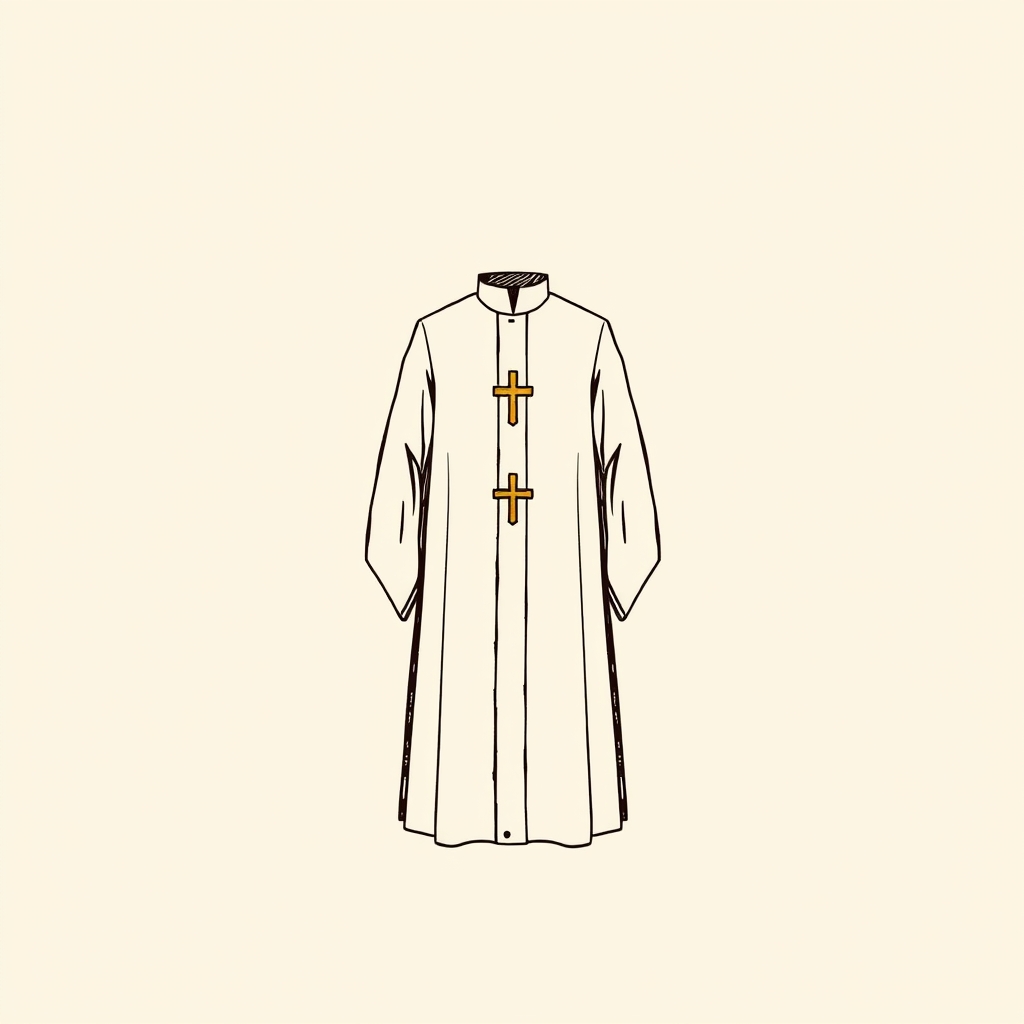
In iconography, Blessed Bonaventure Bonaccorsi is recognizable by: Servite habit.
Which saints were contemporaries of Blessed Bonaventure Bonaccorsi?
Contemporaries include: Saint Peregrinus of Auxerre, Saint Thomas Aquinas, Saint Francis of Assisi (Confessor) and Saint Colette (Nicole).
When did Blessed Bonaventure Bonaccorsi die?
Blessed Bonaventure Bonaccorsi died around 1400.
What are the other names of Blessed Bonaventure Bonaccorsi?
Other forms of the name: Bonaccorsi.
Annexes & related entities
Structured data for exploration: events, miracles, quotes, places, attributes, patronages, and important entities cited in the text.
Key Events
- Leader of the Ghibelline faction in Pistoia
- Conversion through the words of Saint Philip Benizi
- Entered the Order of Servites
- Retreat at Monte Senario
- Ordination to the priesthood
- Foundation of the Confraternity of the Penitents of Saint Mary
- Governance of several monasteries
- Reception of the vows of Saint Agnes
- Beatification by Pius VII on April 23, 1822