
Born in Swabia in 1386, Elisabeth of Waldsech entered the Third Order of Saint Francis at the age of fourteen. Her life was marked by intense mortifications, mystical ecstasies, and physical trials such as leprosy and slander. She died in 1420 after predicting the end of the Western Schism.
Contemporaries

Figures and markers around the normalized period for this entry.
Guided reading
5 reading sections
BLESSED ELISABETH OF WALDSECH,
OF THE THIRD ORDER OF SAINT FRANCIS (1420).
Youth and early vocation
Born in 1386 in Swabia, Elizabeth entered the Third Order Franciscans at the age of fourteen after a pious upbringing.
Our Blessed one, whom the holiness of her life had caused to be nicknamed the good Elizabeth, came into the world in the year 1386 in Wal dsech, in the land of Swabia, diocese of Constance. Favored from the cradle with heavenly blessings, and raised in the fear of the Lord by her pious mother, she grew in wisdom day by day. She was placed early on as a boarder with the Reli gious of th e Third Order, and the young child made admirable progress in the science of the Saints in a short time. She was only fourteen years old when, by dint of persistence, she obtained permission to don the Franciscan habit, which her mother also took later, after the death of her husband.
Monastic life and physical trials
She led a life of poverty and rigorous manual labor, facing slanderous accusations and a purulent leprosy with patience.
From then on, her fervor astonished the oldest sisters of the monastery. She was always seen first in all the community's exercises; neither the weakness of age nor the delicacy of her temperament could ever serve as a pretext for her to be excused from the austerities of the Rule. Never was a nun seen more humble and more mortified; she had ambition only for the vilest tasks of the house. It was, moreover, a very poor convent; each sister lived by the work of her hands, and the superior concerned herself only with the direction of the work. The nuns had only their spiritual exercises and their dwelling in common. Elizabeth worked, prayed, fasted, and had to withstand harsh assaults from the devil.
Unjustly accused of theft, she was prey to the contempt of her companions, and when her recognized innocence restored the esteem she had enjoyed, an infectious leprosy befell her, which covered her whole body and made her unbearable to everyone. Her patience, however, never faltered throughout all these trials.
Mystical Graces and Prophecies
Endowed with the gift of prophecy, she announced the end of the Great Schism and the election of Martin V while experiencing mystical ecstasies.
The Most High, wishing to attest to the virtue of His faithful servant, favored her with special graces. Endowed with the gift of prophecy, Elizabeth predicted the end of the schism that was then devastating the Church, and the immi nent election of Pope Martin V. Her frequent communications with the heavenly Spouse allowed her to taste the purest delights here below. Her prayer was like an ecstasy; she would emerge from it all ablaze with divine love. Her words, all on fire, were accompanied by a sweet suavity that won hearts. She was called nothing less than the guardian angel of the house.
Devotions to the Passion and the Virgin
Her spirituality is centered on the Passion of Christ, the Eucharist, and a particular devotion to the Immaculate Conception.
Elizabeth was constantly occupied with the Passion of Our Lord; the meditation of this great mystery made her shed, like her blesse d patriarch, torrents of tears. Every Friday, she honored the stations of the Way of the Cross with mortifications and voluntary sufferings. The love she felt for the divine Savior in the Holy Eucharist was boundless. This bread of angels was sometimes her only food for the day; the communion, which she received every day, rejoiced and strengthened her so much that, despite her penances, she appeared the healthiest of the sisters.
Her tender devotion to the Blessed Virgin corresponded to the ardent love she had for her divine Son. This worthy child of Saint Francis celebrated with lively ardor the feasts that are consecrated t o the divine Mother. All the objects that belonged to her bore the name of Mary, for she had dedicated them all to her. At her urging, the nuns and the boarders of the house joined the good Elizabeth to sing hymns and canticles in honor of the spotless Virgin. The rosary, which she never left, was her favorite prayer. But of all the mysteries of the most holy Virgin, that of her Immaculate Conception was the particular object of her worship. She was inexhaustible on this subject, and when on e wanted to hear her speak with more fervor, one only had to lead her to this topic. The historian of her life assures that this Queen of angels appeared to her frequently, especially in the midst of the harsh battles she had to sustain for a long time against the spirit of evil.
Death and recognition by the Church
Elisabeth died in 1420 at the age of 34; her immemorial cult was officially approved later by Pope Clement XIII.
When God finally wished to reward the virtues of this seraphic soul, He let her know that the hour of her death was approaching. The rumor having spread throughout the monastery that they were on the eve of l osing the good Eli sabeth, it is impossible to say what desolation this sad news caused among the souls; each one hastened to forestall this loss with an increase of veneration and respect. A slight fever soon proved that their fears were only too well-founded. Our Blessed one, feeling more and more pressed to go to God, spent the little time that remained to her in the continuous exercise of the purest love. Finally, having received the last sacraments with a new fervor, never ceasing to pronounce the two names of Jesus and Mary, she had the Gospel of the Passion read to her, and at these words: "Jesus yielded up his spirit," she expired, and thus ended her holy life with a precious death, on November 25, 1420, at the age of thirty-four. Her body was buried solemnly in her monastery. Pope Clement XIII approved the imme morial cult that was rendered to her; her feast is fixed for December 5.
Excerpt from the Annals of the Third Order of Saint Francis of Assisi.
Iconography
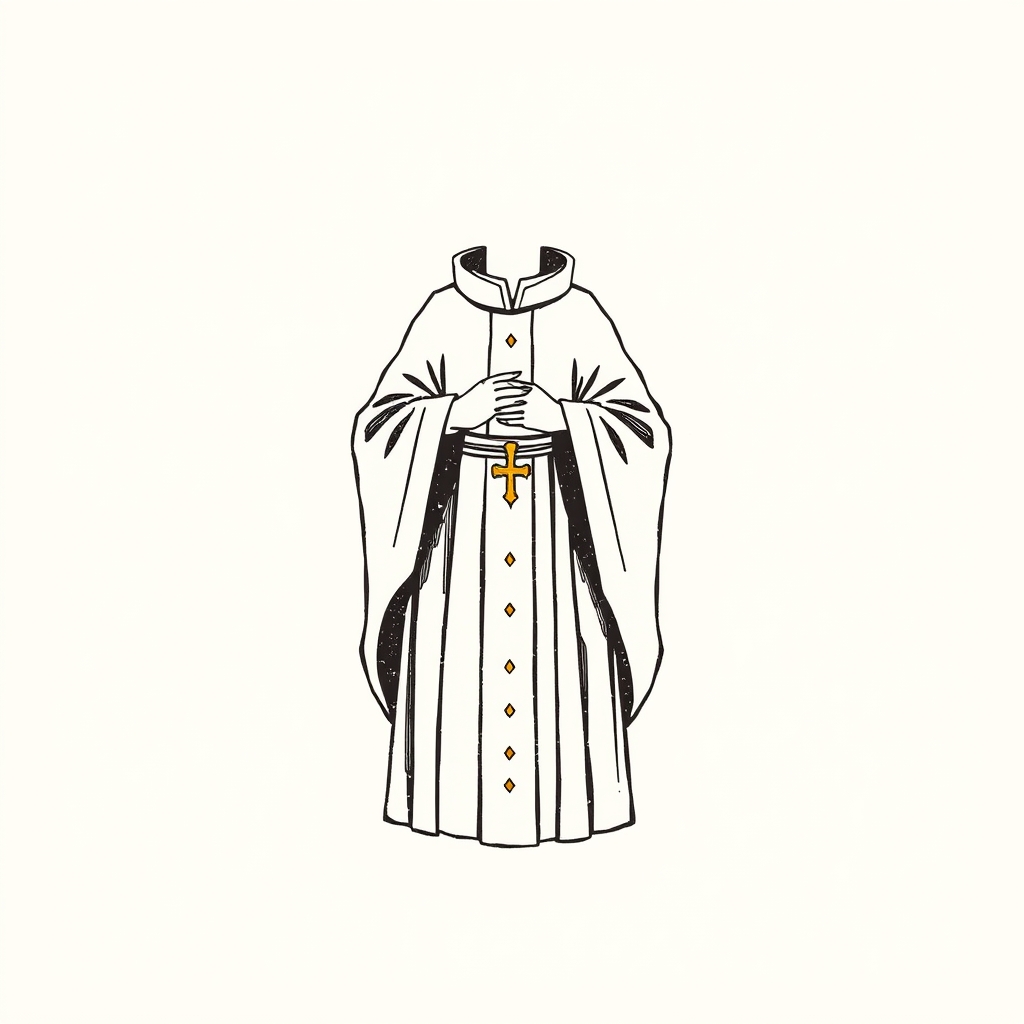
Signs and attributes


Entities
Narrative network
The names, places, and concepts most present in the entry, weighted by centrality in the text.
The supernatural in their life
The miracles of Blessed Elizabeth of Waldsech
Frequently asked questions about Blessed Elizabeth of Waldsech
Who was Blessed Elizabeth of Waldsech?
Born in Swabia in 1386, Elisabeth of Waldsech entered the Third Order of Saint Francis at the age of fourteen. Her life was marked by intense mortifications, mystical ecstasies, and physical trials such as leprosy and slander. She died in 1420 after predicting the end of the Western Schism.
What is Blessed Elizabeth of Waldsech the patron saint of?
Patronage of Blessed Elizabeth of Waldsech: her monastery.
What is Blessed Elizabeth of Waldsech invoked for?
Blessed Elizabeth of Waldsech is invoked for: patience in trials, slander and skin diseases.
How is Blessed Elizabeth of Waldsech depicted in Christian art?
In iconography, Blessed Elizabeth of Waldsech is recognizable by: Franciscan habit, rosary, tears and ecstasy.
What miracles are attributed to Blessed Elizabeth of Waldsech?
4 miracles are attributed to this saint, notably: Prophecy / infused knowledge, Vision / apparition and Sign / wonder.
Which saints were contemporaries of Blessed Elizabeth of Waldsech?
Contemporaries include: Saint Peregrinus of Auxerre, Saint Colette (Nicole), Saint Andrew Corsini and Saint Antoninus of Florence.
When did Blessed Elizabeth of Waldsech die?
Blessed Elizabeth of Waldsech died around 1420.
What are the other names of Blessed Elizabeth of Waldsech?
Other forms of the name: la bonne Élisabeth and l'ange tutélaire de la maison.
Who are the relatives of Blessed Elizabeth of Waldsech?
Relatives of Blessed Elizabeth of Waldsech: Inconnu (father) and Inconnu (mother).
Annexes & related entities
Structured data for exploration: events, miracles, quotes, places, attributes, patronages, and important entities cited in the text.
Key Events
- Born in Waldsech in 1386
- Entered boarding school with the Religious of the Third Order
- Took the Franciscan habit at fourteen
- Unjust accusation of theft
- Afflicted with a foul leprosy
- Prophecy regarding the election of Pope Martin V
- Died at the age of thirty-four
Quotes
-
Jesus yielded up his spirit
Gospel of the Passion (read at her agony)