
Saint Nicholas I the Great
Elected pope in 858, Nicholas I the Great was a tireless defender of pontifical authority and Christian morality. He distinguished himself through his firmness toward sovereigns and prelates, while working for the conversion of the Bulgarians. He died in 867 after a pontificate marked by his charity toward the poor and his doctrinal writings.
Contemporaries

Figures and markers around the normalized period for this entry.
Guided reading
9 reading sections
SAINT NICHOLAS I, THE GREAT, POPE AND CONFESSOR (867).
Origins and Election
The entry recounts his election and his service under several pontiffs.
Nicholas I was Roman by birth, his father was named Theodore. After the death of Benedict III (855-858), he was elected with an admirable unanimity of votes by the clergy; he was pulled by force from the basilica of the Prince of the Apostles, led into the patriarchal church of the Lateran, and proclaimed Roman Pontiff, in the year 858.
He had practiced piety and all the virtues from his early childhood. Sergius II made him subdeacon of the Roman Church; Leo IV created him deacon; finally, he was of great assistance to Benedict III in the government of the universal Church.
The Exercise of Authority
The work mentions his correspondence.
There exists a great number of letters written by him, in which he corrects those who go astray, lowers the proud, and lifts up the oppressed. Bishops, kings, emperors, he kept everyone to their duty.
Discipline in the West
He intervenes in the affairs of Ravenna, Reims, and Soissons.
He broke the obstinate resistance of John, Archbishop of Ravenna; he strongly rebuked Hincmar, Archbishop of Reims, for the unjust deposition of Rothad, Bishop of Soissons, quashed the sentence he had passed with the Council of Senlis, and reinstated the bishop to his dignity and to his see.
Defense of Christian Marriage
The entry reports his opposition to Lothair.
He brought King Lothair back to reason, through a threat of anathema, after he had repudiated his lawful wife Theutberga to marry Waldrada, his concubine.
Conflicts with the East
Account of the conflict concerning Photius and Ignatius.
He reproved the election of Photius, who was a layman, and restored Patriarch Ignatius to his see. He defended the rights of the Roman Church so well that his letters are regarded as so many outworks protecting the Apostolic See.
Conversion of the Bulgarians
The book reports his ties with the Bulgarians.
He did not limit his care to the internal affairs of the Church, but occupied himself with the conversion of the infidels; he brought to Jesus Christ and attached to the Roman Church the very numerous nation of the Bulgarians, despite the gnashing of teeth of a schismatic emperor.
Personal Piety and End of Life
The source emphasizes his charity and places his death on November 13, 867.
At the same time, he was very diligent in his private duties of piety; he had the names of all the destitute given to him so as to be better able to succor them. He repaired and adorned the churches of Rome, in particular the Lateran Basilica.
Finally, he passed from earth to heaven at the beginning of the tenth year of his pontificate (13 November 867), and was buried at the Vatican.
Historical Sources
References given in the work.
Proper of Rome. — Cf. Darras, Histoire de l'Église (Volume XVIII, pages 459-481).
Source and Editorial Note
This entry reproduces the historical text of Les Petits Bollandistes, proofread against the digitized pages. The traditions and assessments of the author belong to the period of the work.
Paul Guérin, Les Petits Bollandistes, volume 13, p. 398. Digitized copy by the Bibliothèque nationale de France: https://gallica.bnf.fr/ark:/12148/bpt6k30743s
Iconography
Signs and attributes
Entities
Narrative network
The names, places, and concepts most present in the entry, weighted by centrality in the text.
Frequently asked questions about Saint Nicholas I the Great
Who was Saint Nicholas I the Great?
Elected pope in 858, Nicholas I the Great was a tireless defender of pontifical authority and Christian morality. He distinguished himself through his firmness toward sovereigns and prelates, while working for the conversion of the Bulgarians. He died in 867 after a pontificate marked by his charity toward the poor and his doctrinal writings.
What is Saint Nicholas I the Great invoked for?
Saint Nicholas I the Great is invoked for: aid for the needy and defense of the oppressed.
How is Saint Nicholas I the Great depicted in Christian art?
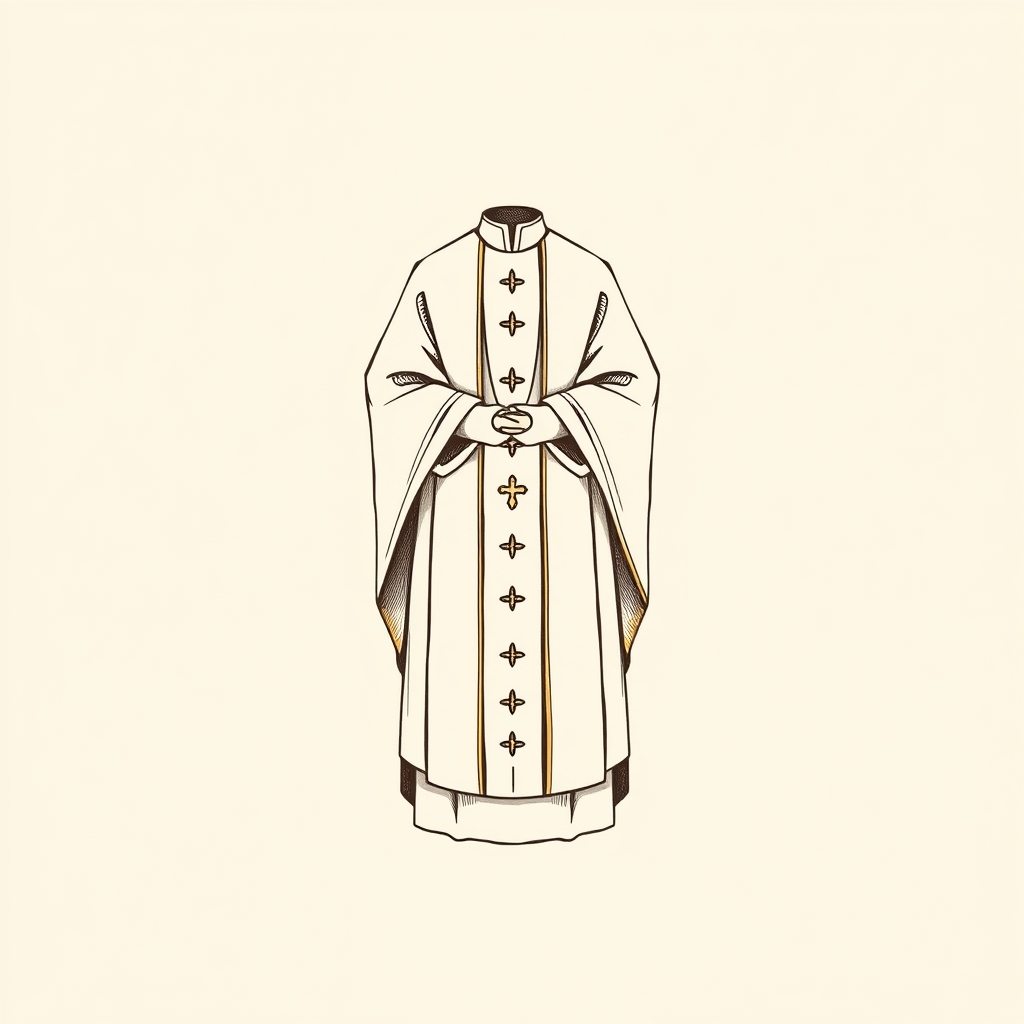
In iconography, Saint Nicholas I the Great is recognizable by: pontifical vestments and letters/decretals.
Which saints were contemporaries of Saint Nicholas I the Great?
Contemporaries include: Saint Ansgar (Apostle of the North), Saint Bernard of Menthon (Apostle of the Alps), Saint Rumold (Rombaud) and Saint Zachary, Pope.
When did Saint Nicholas I the Great die?
Saint Nicholas I the Great died around 867.
What are the other names of Saint Nicholas I the Great?
Other forms of the name: Nicolas le Grand.
Who are the relatives of Saint Nicholas I the Great?
Relatives of Saint Nicholas I the Great: Théodore (father).
Annexes & related entities
Structured data for exploration: events, miracles, quotes, places, attributes, patronages, and important entities cited in the text.
Key Events
- Unanimous election to the papacy in 858
- Defense of the rights of the Roman Church through numerous letters
- Reinstatement of Bishop Rothad of Soissons
- Opposition to King Lothair's divorce
- Restoration of Patriarch Ignatius against Photius
- Conversion of the Bulgarian nation