
Bishop of Cavaillon in the 6th century, Saint Véran was a wonder-worker famous for his miracles and apostolic zeal. He is particularly known for having chained a devastating dragon at Vaucluse before banishing it. His relics, dispersed between Cavaillon, Jargeau, and the Nivernais, are the object of great devotion, particularly for the protection of children.
Contemporaries

Figures and markers around the normalized period for this entry.
Guided reading
7 reading sections
SAINT VÉRAN, BISHOP OF THE ANCIENT SEE OF CAVAILLON,
IN THE CURRENT DIOCESE OF AVIGNON (circa 590).
Origins and priestly vocation
Born in the 6th century, the birthplace of Véran is disputed between Gévaudan, the Orléanais, and Vaucluse before he became a priest.
Saint Véran , commonly Saint Verain or Vrain, was born at the beginning of the 6th century (around 513, according to the memoirs and tradition of Cavaillon). Historians are divided on his birthplace: some place his cradle in Javols (Lozère), others in Jargeau (Loiret), and some in Vaucluse (a village in the department of that name, in a valley bathed by the Sorgue); but all are unanimous in recognizing the brilliance of his virtues and his eminent holiness.
Ordained a priest by the bishop of Nende, he devoted himself to the service of God and the sanctification of the people; but, frightened by the stir caused by several miracles performed in favor of the sick who had been recommended to him, he went to seek a retreat in the mountains of Vaucluse . He hoped to be able to remain unknown there, but the fame of the miracles that had accompanied his first apostolate did not take long to follow him.
Episcopate and political influence
After a pilgrimage to Rome and the conversion of Albenga, he became bishop of Cavaillon and distinguished himself at councils and with the Merovingian kings.
Upon returning from a pilgrimage to Rome during which he had performed several miracles and converted the population of Albenga (a city in the Sardinian States) to Christianity , the inh abitants of Cavaillon requested him as their bishop. At the Second Council of Mâcon, held in 585, he distinguished himself by his eloquence and his zeal for the defense of ecclesiasti cal discipline. King Guntra m honored him with his friendship, and Childebert wished for him to be the godfather of his son Theuderic.
The miracle of the dragon of Vaucluse
Tradition reports that the saint tamed a dragon terrorizing the region of the Fontaine de Vaucluse, driving it toward the Luberon.
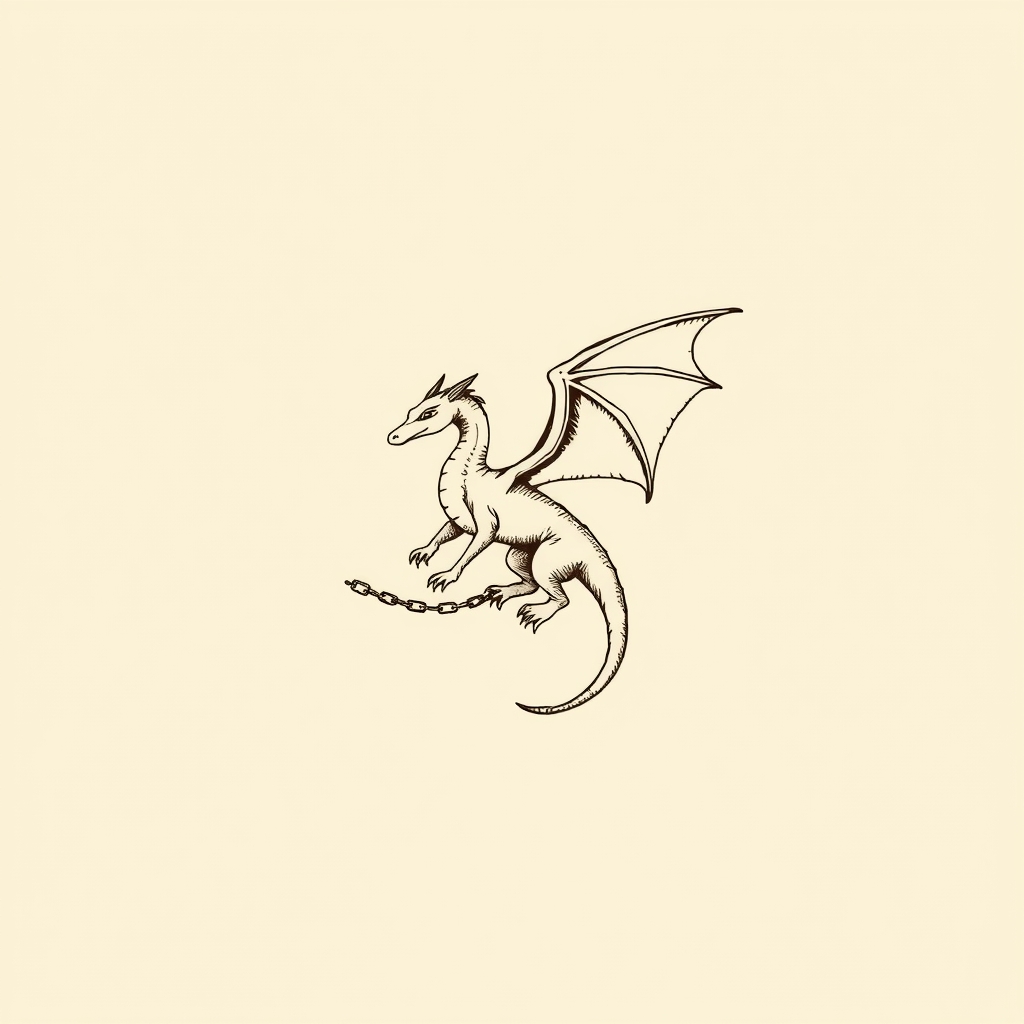
Saint Veran died at the Council of Arles, around 590. He is sometimes depicted holding a winged dragon in chains. This is an allusion to the following event: A dreadful dragon had established its lair in one of the rocks bordering the path to the Fontaine de Vaucluse; it caused such cruel ravages that terror and dread reigned throughout the surrounding area. The servant of God, moved by these evils, went to the edge of the monster's cave and ordered it, in the name of Jesus Christ, to abandon these places. At the same time, he chained it and dragged it to the Luberon mountain. There, strengthened by the sign of the cross, he unchained it, saying: "I conjure you, by the living and eternal God, to harm no one anymore, since I did not wish to do you harm." The monster immediately rose into the air, flew away, and disappeared forever behind the mountain.
Peregrinations of the relics
After his death in Arles, his body was transferred from Cavaillon to the Nivernais region and then to Jargeau, spreading his cult throughout the Orléanais.
One sees, in the church of Vaucluse, a tomb said to be that of Saint Véran. From there, a few years after his death, his body was transported to Cavaillon. Later, it was transferred to the Nivernais, to the place that has kept his name (Saint-Versin, Nièvre, arrondissement of Cosne, canton of Saint-Amand-en-Puisaye). The precise time and the motives for this translation are unknown. This was the origin of the priory of Saint-Versin, and, if the church of this priory was built on this occasion, as is thought, one could approximately fix the time of the translation of which we speak; it would have taken place, in that case, in the 11th century.
The body of the holy bishop of Cavaillon was then transferred to the banks of the Loire, a t Jarge au. The bishop of Orléans was then rebuilding the collegiate church of this city, until then placed under the title of the Cross; he dedicated the new church to Saint Vrain, and showed the greatest and most generous piety for the great wonder-worker. Since that time, the cult of Saint Véran has been maintained in honor in this city and throughout the diocese of Orléans. Mothers of families particularly like to entrust the health of their small children to him.
Devotion and protection against the plague
The priory of Saint-Versin preserves his head, which was invoked with success by the city of Nevers during the plague epidemics of the 15th and 16th centuries.
However, the priory of Saint-Versin had preserved the head of the holy bishop: people traveled there from very far away on pilgrimage, especially in times of calamity. Several times (notably in 1498, 1584, and 1597) the city of Nevers had recourse to the intercession of Saint Véran to obtain the cessation of the plague that was decimating its inhabitants.
The current parish of Saint-Versin celebrates the feast of its patron saint on October 19, as it is marked in the Roman Martyrology. Until 1763, the parish church had preserved its ancient reliquaries, one containing two bones of Saint Bla ise, patron of the parish, the other a bone from the head of Saint Véran and three other bones from the head and neck. As these reliquaries were falling into disrepair, they were remade, and, on May 1 of that year, in the presence of all the people, the holy relics were removed from them, but they were not placed in the new reliquaries until Whit Monday, May 23.
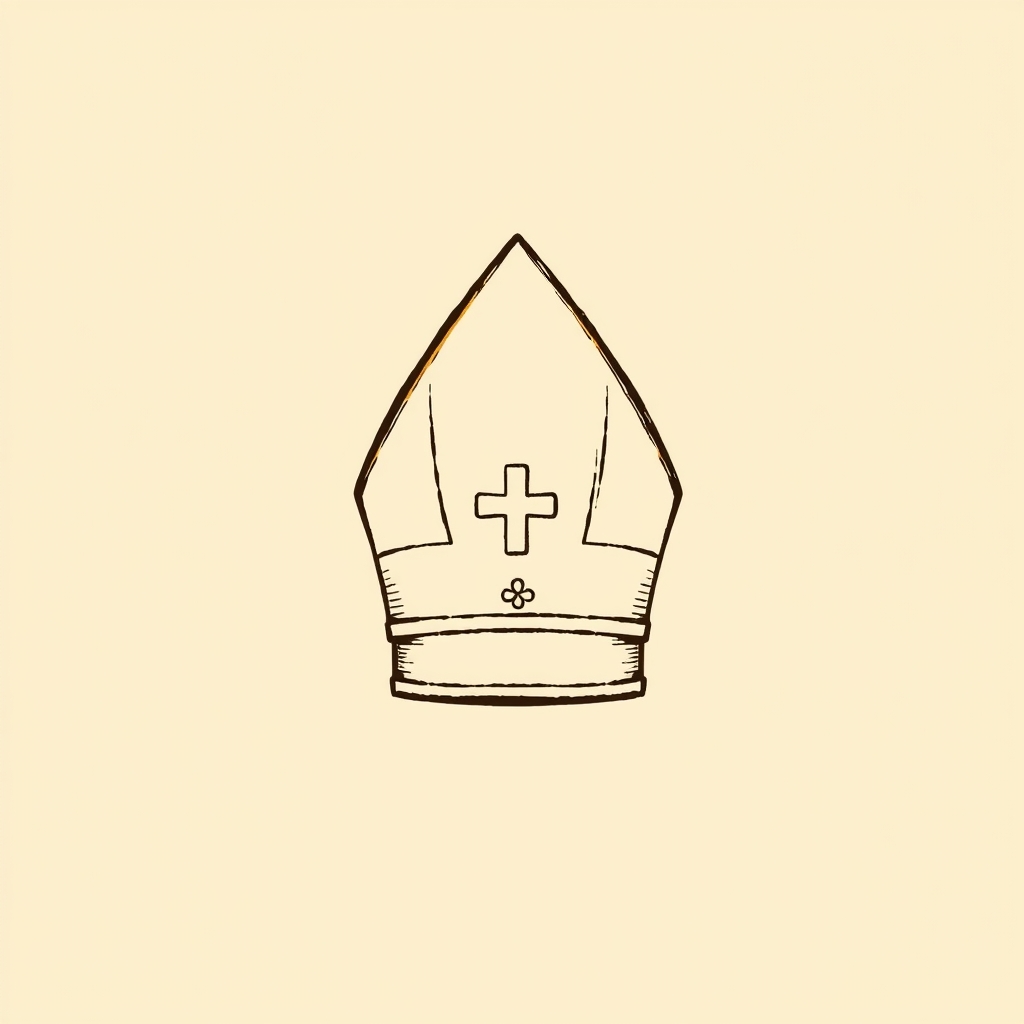
The reliquary of Saint Versin was a silver mitre supported by four angels; in the middle of the mitre was a circular opening, adorned with precious stones; one could see, through a glass, the precious remains of the patron saint of the region. It was, it is said, a gift from the Duke of Nevers.
Rescue of the relics during the Revolution
In 1793, the precious reliquary was confiscated, but the bones were saved by a sacristan before being authenticated in the 19th century.
In 1793, sacrilegious hands seized this rich reliquary, which was sent to the district of Cosne to be dispatched to the Mint in Paris; as for the relics, they were thrown into the middle of the church. They were gathered by Mr. François Chotard, the parish sacri stan, who respectfully kept them in his house.
When peace was restored to the Church of France, Mr. Chotard returned the holy relics to the priest in charge of administering the parish; they were recognized by two of the principal profaners and by other trustworthy persons; a new official report was drawn up, after establishing their authenticity, and the relics were placed in a poor cardboard reliquary, which was carefully sealed. In 1818, they were solemnly placed by Mr. Jean-Jacques Vée into two gilded wooden reliquaries (one reliquary contained the relics of Saint Versin, the other those of Saint Blaise), and, on October 10, 1843, Mgr. Dominique-Augustin Dufêtre, Bishop of Nevers, affixed his seal to the said reliquaries, after having carefully examined the official report presented to him by Mr. Mercier, the parish priest, confirming the authenticity of these holy relics.
Geographical distribution and sources
Relics remain in Cavaillon and in the Hautes-Alpes, with the entry based on the works of local historians from the 19th century.
There are also notable relics of Saint Véran in Cavaillon. At the beginning of the Luberon range, near Lacoste (Vaucluse), there exists a chapel dedicated under his invocation. Another chapel, which has become a parish church, can be seen near Embrun (Hautes-Alpes): on June 19, 1845, Mgr Naudo authorized the parish priest of Cavaillon to open the reliquary of Saint Véran and to take relics from it to send to the priest serving that chapel.
We have composed this entry based on the Hagiologie Nivernoise, by Mgr Crosnier; the Semaine religieuse of Anipson; and local notes due to the extreme kindness of Mr. Abbé Duchâteau, parish priest of Saint-Florent, in the diocese of Orléans (letter of June 20, 1873).
Iconography
Signs and attributes
Entities
Narrative network
The names, places, and concepts most present in the entry, weighted by centrality in the text.
The supernatural in their life
The miracles of Saint Veranus (Vrain)
Frequently asked questions about Saint Veranus (Vrain)
Who was Saint Veranus (Vrain)?
Bishop of Cavaillon in the 6th century, Saint Véran was a wonder-worker famous for his miracles and apostolic zeal. He is particularly known for having chained a devastating dragon at Vaucluse before banishing it. His relics, dispersed between Cavaillon, Jargeau, and the Nivernais, are the object of great devotion, particularly for the protection of children.
What is Saint Veranus (Vrain) the patron saint of?
Patronage of Saint Veranus (Vrain): Cavaillon, Jargeau, Saint-Versin and Albenga.
What is Saint Veranus (Vrain) invoked for?
Saint Veranus (Vrain) is invoked for: health of young children, cessation of the plague and public calamities.
How is Saint Veranus (Vrain) depicted in Christian art?
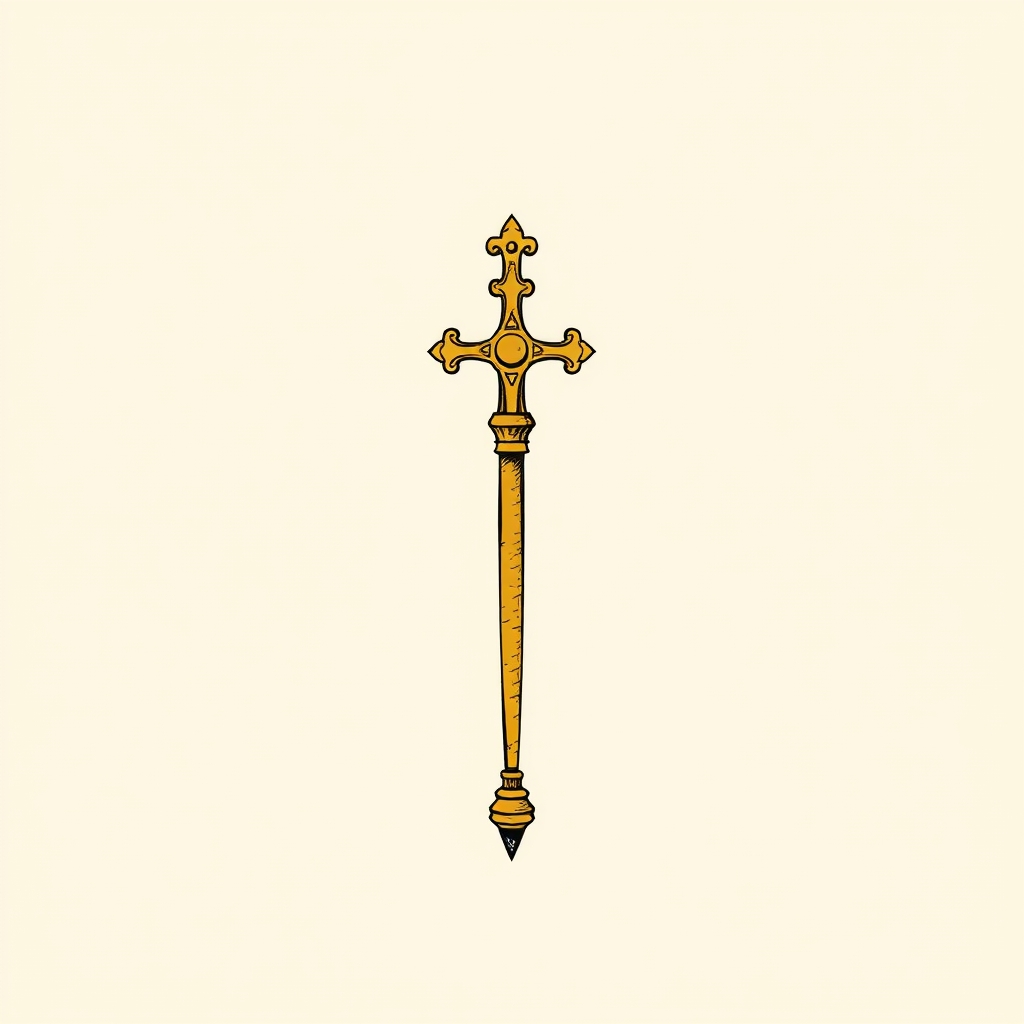
In iconography, Saint Veranus (Vrain) is recognizable by: winged dragon in chains, mitre and crozier.
What miracles are attributed to Saint Veranus (Vrain)?
3 miracles are attributed to this saint, notably: Healing, Exorcism and Protection / deliverance.
Which saints were contemporaries of Saint Veranus (Vrain)?
Contemporaries include: Saint Remigius (Apostle of the Franks), Saint Antide of Besançon, Saint Eugene of Carthage and Saint Nicaise of Reims.
When did Saint Veranus (Vrain) die?
Saint Veranus (Vrain) died around 600.
What are the other names of Saint Veranus (Vrain)?
Other forms of the name: Verain, Vrain, Versin and Saint-Versin.
Annexes & related entities
Structured data for exploration: events, miracles, quotes, places, attributes, patronages, and important entities cited in the text.
Key Events
- Born around 513
- Priestly ordination by the Bishop of Nende
- Retreat in the Vaucluse mountains
- Pilgrimage to Rome and conversion of Albenga
- Election to the bishopric of Cavaillon
- Participation in the Second Council of Mâcon in 585
- Godfather to Theuderic, son of Childebert
- Died at the Council of Arles around 590
Quotes
-
I adjure you, by the living and eternal God, to harm no one anymore, since I have not wished to do you harm
Oral tradition reported in the text