
Saint Aldegonde
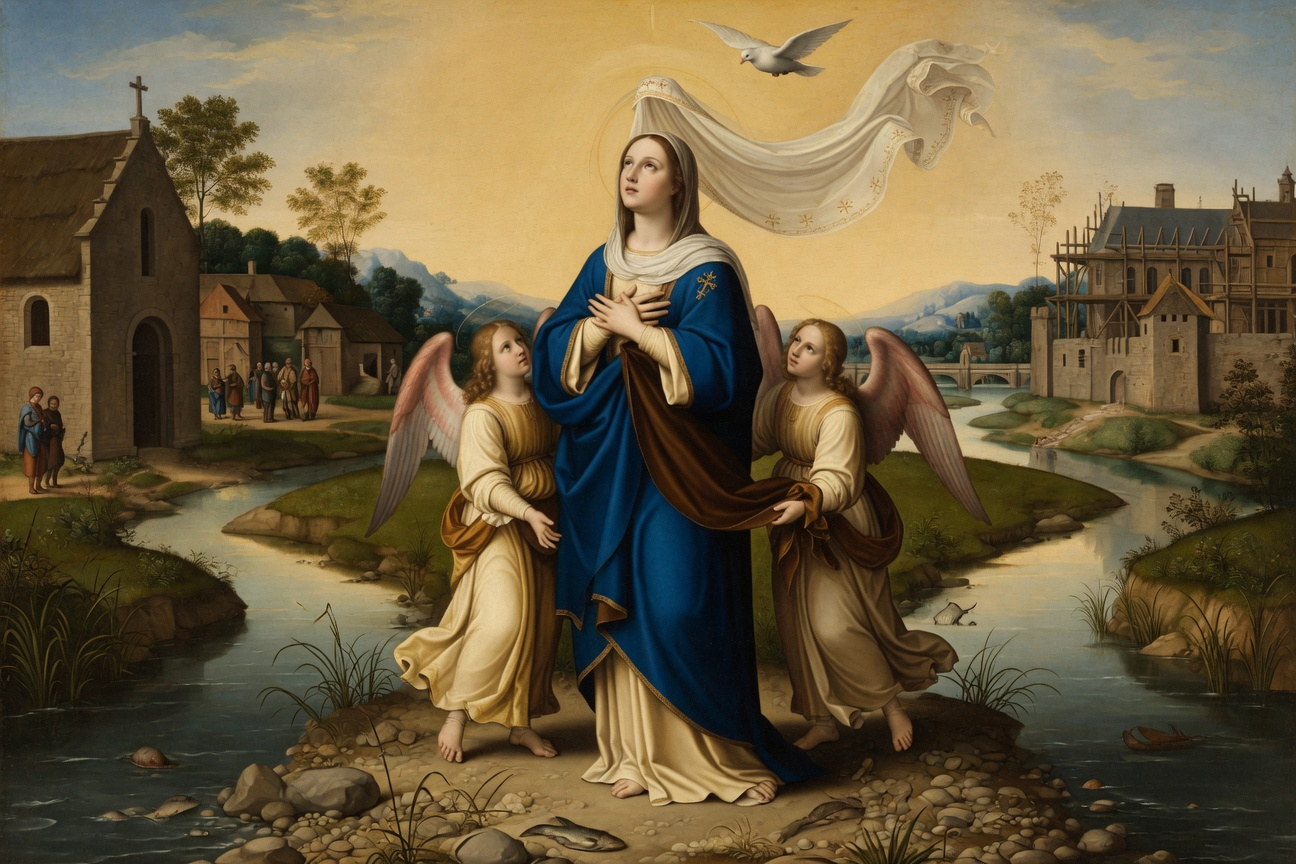
Saint Aldegonde, consecrated to God at the age of fourteen, founded the monastery that gave rise to the city of Maubeuge. Her life was marked by famous miracles, such as crossing the Sambre on dry land and receiving a sacred veil brought by a dove. Her relics, though damaged by the Revolution and fires, remain an object of great veneration in Northern France.
Guided reading
5 reading sections
RELICS OF SAINT ALDEGONDE.
Burial and translation of the remains
The body of Saint Aldegonde, initially buried at Cousolre, was transferred to Maubeuge by her niece Saint Aldetrode.
Her holy body was first buried in the tomb of her parents, at Cousolre; shortly after, her niece, Saint Aldetrode, had it transported to her house in Maubeuge, where Go d has pe rformed several miracles, as proof of her glory in heaven.
At Cousolre and at Haumont, no vestige remains, except for traditional memories of the birthplace of Saint Aldegonde, and of the abbey church where she consecrated herself to God.
Miracles and places of memory in Maubeuge
The text recounts the miracle of the fountain and the miraculous crossing of the Sambre by the saint at the age of fourteen.
On the side of a hillside overlooking Maubeuge, in the middle of one of its suburbs, which owes its name to Saint Aldegonde, one can still see the fountain that miraculously quenched her thirst. Its waters have never run dry. Next to this fountain stands a small chapel which replaced, in 1808, the one that was destroyed during the French Revolution. Few days pass without it receiving some pilgrim.
A few steps away and opposite flows the river that Aldegonde crossed on dry land, supported by two Angels who transported her to the other bank. Its width, not to mention its depth, which is quite considerable, is no less than four to five meters. It is in memory of this crossing, naturally impossible for a fourteen-year-old girl, that, each year, when the procession, known as the Saint-Aldegonde procession, comes into view of the Sambre , the clergy sings the canticle of thanksgiving of the Hebrews, who emerged miraculously from the Red Sea.
Foundation of the monastery and fate of the relics
Aldegonde founded the monastery of Maubeuge; despite revolutionary destruction, her veil and bones were preserved.
The monastery that Saint Aldegonde founded in Maubeuge, and which was the origin of this city, having been ruined and rebuilt several times, was destroyed during the French Revolution, as was the chapter church. But what this chapter contained that was most precious was saved: the veil that a dove placed on the head of Saint Aldegonde at the moment of her consecration, transported into exile in Germany by a canoness, was returned by Baron Blondel de Boiregard in 1821 to Mr. Bevenot, parish priest of Maubeuge, and exposed to the veneration of the faithful. Few pieces of goldsmith work are comparable, in beauty, to the one that encloses this veil.
The sacred bones of Saint Aldegonde lost their magnificent reliquary on January 21, 1793, but they were religiously preserved, and their authenticity was recognized by Mgr Be lmas, Bishop of Cambrai, on June 26, 1808. At the siege of 1815, a fire consumed the church and the shrine, but without exerting any action on these relics other than giving them a bluish tint. Twice a year, they are exposed to the veneration of the faithful: on January 30 and on the Sunday following the Ascension, the day on which they are carried solemnly in procession.
A chapel, in the current church of Maubeuge, has just been consecrated to Saint Aldegonde.
Distinction from another Saint Aldegonde
Cardinal Baronius identifies a second Saint Aldegonde in Flanders, daughter of Saint Basin, honored on June 20.
Car dinal Baronius no tes that there is yet another Saint Aldegonde, a virgin, daughter of Sai nt Basin, w ho was also of royal blood and had built three churches in Flanders, on the river Lys. As he was guarding one of them, dedicated to the Blessed Virgin, against the invasion of the Gentiles, he was martyred and buried at Bronghen, near Ghent, at the same place where there was later an abbey o f the Premonstratens ian Order; it is there that this blessed woman had served Our Lord in great holiness. Her body was also buried there next to that of her father, Saint Basin. Her feast is celebrated on June 20, and that of her father on the 14th.
Hagiographic sources
Mentions of the saint appear in the Roman Martyrology and a modern biography by Abbé Delbos.
Ancient Martyrologies, particularly the Roman, comme morate Saint Aldegonde on January 30th. Modern information is drawn from the Life of Saint Aldegonde, published by Abbé Delbos.
Iconography
Signs and attributes
Entities
Narrative network
The names, places, and concepts most present in the entry, weighted by centrality in the text.
The supernatural in their life
The miracles of Saint Aldegonde
Frequently asked questions about Saint Aldegonde
Who was Saint Aldegonde?
Saint Aldegonde, consecrated to God at the age of fourteen, founded the monastery that gave rise to the city of Maubeuge. Her life was marked by famous miracles, such as crossing the Sambre on dry land and receiving a sacred veil brought by a dove. Her relics, though damaged by the Revolution and fires, remain an object of great veneration in Northern France.
What is Saint Aldegonde the patron saint of?
Patronage of Saint Aldegonde: Maubeuge.
What is Saint Aldegonde invoked for?
Saint Aldegonde is invoked for: thirst (miraculous fountain).
How is Saint Aldegonde depicted in Christian art?
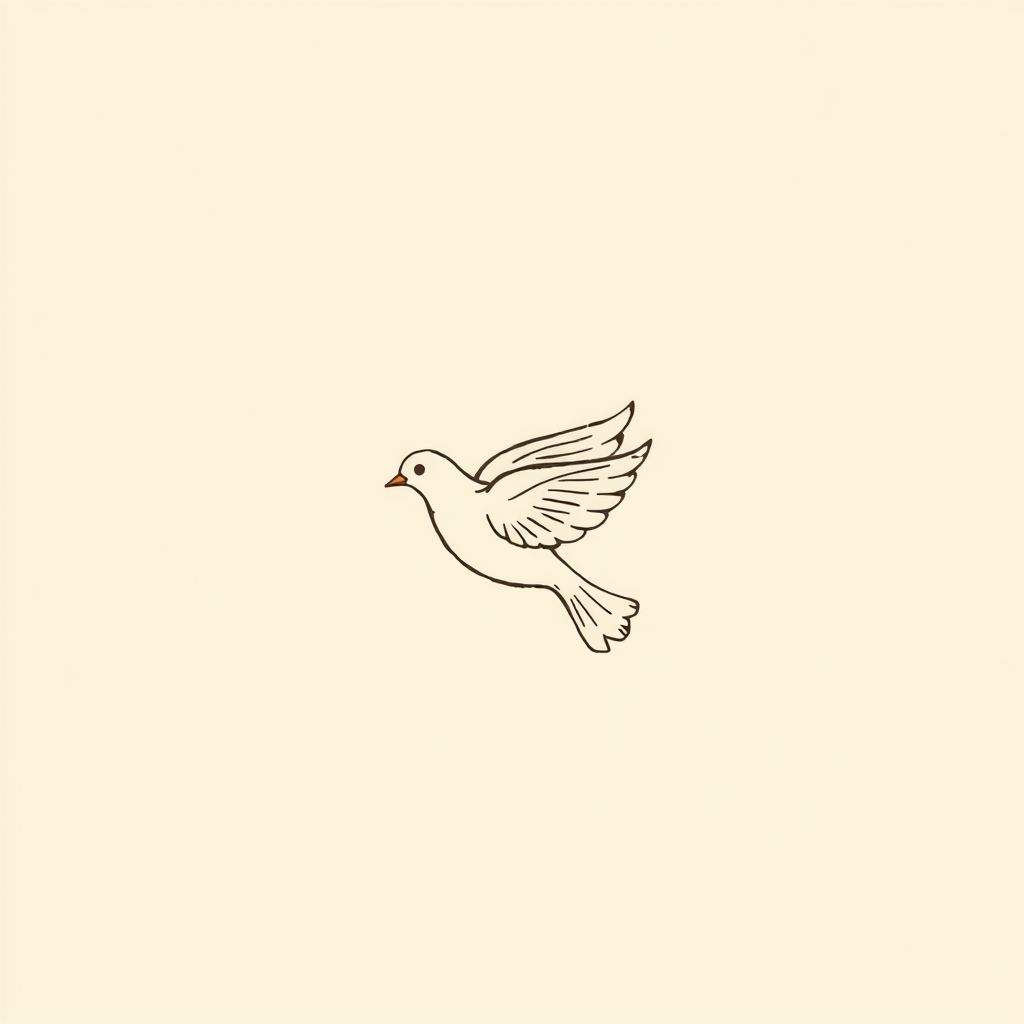
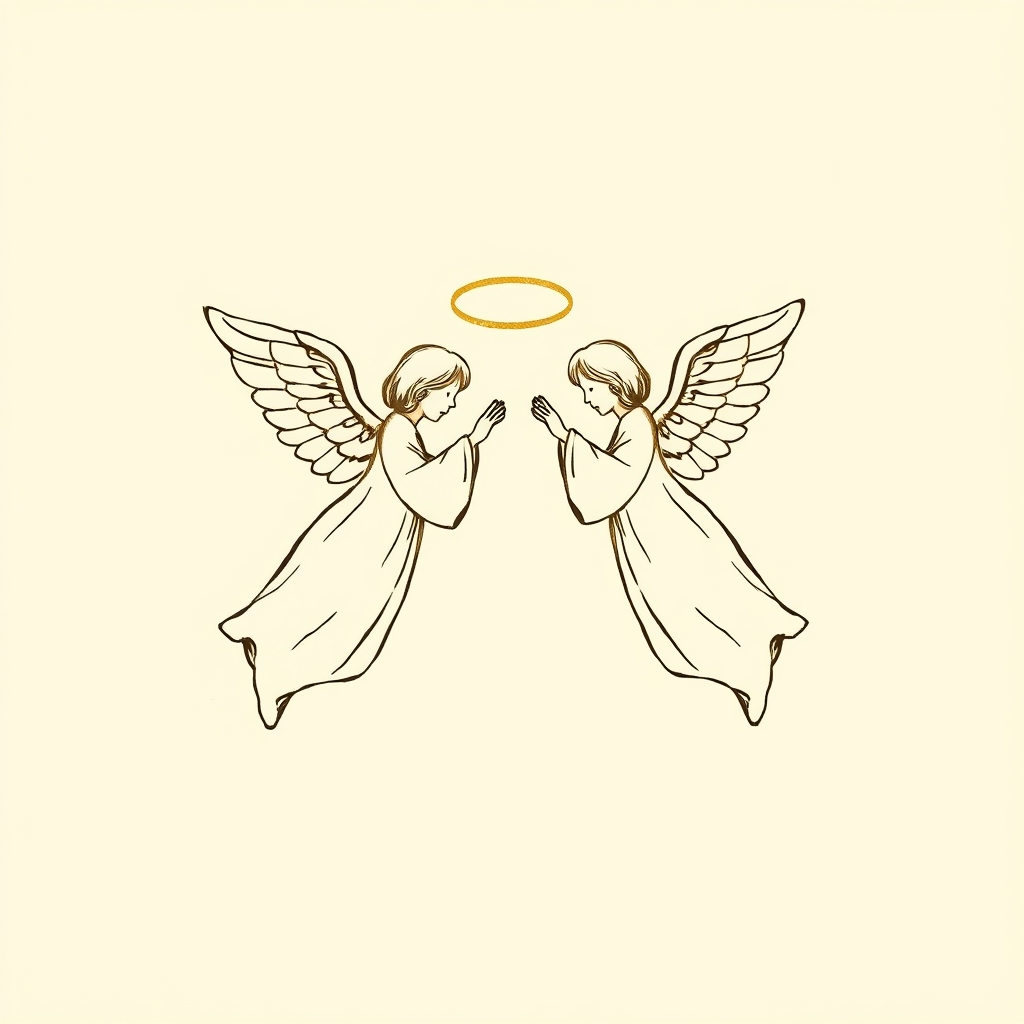
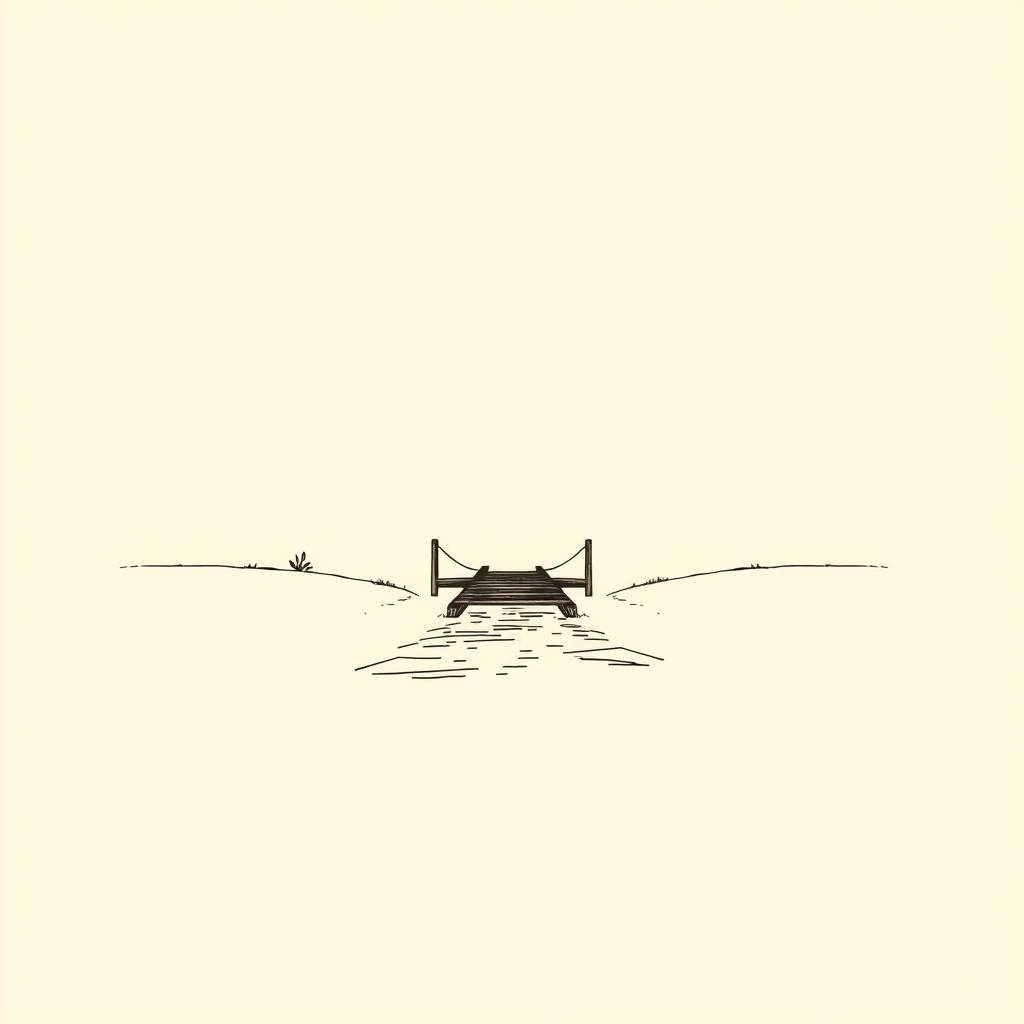
In iconography, Saint Aldegonde is recognizable by: veil placed by a dove, two angels and crossing a river on dry land.
What miracles are attributed to Saint Aldegonde?
3 miracles are attributed to this saint, notably: Mastery of the elements and Sign / wonder.
Who are the relatives of Saint Aldegonde?
Relatives of Saint Aldegonde: Sainte Aldetrode (niece).
Annexes & related entities
Structured data for exploration: events, miracles, quotes, places, attributes, patronages, and important entities cited in the text.
Key Events
- Consecration to God at the age of fourteen
- Miraculous crossing of the Sambre on dry land, supported by two angels
- Reception of a veil brought by a dove during her consecration
- Foundation of the monastery of Maubeuge
- Initial burial in Cousolre alongside her parents