
A former member of the household of Bishop Désiré in Bourges, Auguste was miraculously healed of a serious infirmity before becoming abbot of Saint-Symphorien. Guided by a vision shared with Saint Germain of Paris, he discovered the intact body of Saint Ursin, the first bishop of the city. He died around 568, leaving a reputation of great piety.
Contemporaries

Figures and markers around the normalized period for this entry.
Guided reading
6 reading sections
SAINT AUGUSTE OR AUGUST,
ABBOT OF SAINT-SYMPHORIEN AND CONFESSOR (circa 560).
Infirmity and episcopal service
Auguste, a servant of Bishop Désiré in Bourges, suffers from a severe paralysis of the limbs that forces him to drag himself along the ground.
At the time when Prohien became bishop of Bourges, there lived a holy man n amed Au guste, commonly called Août, who had been part of the household of the previ ous bi shop, Désiré, and whose hands and feet were so contracted that he could not move from one place to another without dragging himself on his elbows and knees.
Healing at Brives
Thanks to alms, Auguste had an oratory built in Brives; he was instantly healed upon placing relics of Saint Martin there.
Monastic commitment and abbacy
Having become a monk, he was appointed abbot of Saint-Symphorien by Bishop Prohien while continuing to lead his first community.
From then on, surrounded by a few monks and living himself under the monastic rule, he spent all his time in prayer. Later, appointed abbot of Saint-Symphorien by his bishop, who had built this church in view of the walls of Bourges, a nd not wishing, however, to abandon the monks he had called to his side, he gave them a prior and governed both sanctuaries.
The vision of Saint Ursin
Saint Ursin appears to Auguste in a vision to reveal the location of his forgotten tomb beneath some vines.
Finally, as he was staying at Saint-Symphorien, Saint Ursin appeared to him in a nocturnal vision and said to him: "Dig the earth and seek my body, for I am Ursin, the first bishop of this city."
— "Where shall I go," replied Auguste, "where shall I seek your tomb, the place of which I do not know?"
But the Saint, taking him by the hand, led him to the place where it was, saying: "My body rests beneath the roots of these vines."
Upon waking, the abbot recounted his vision to the bis hop, who made little of it and did not even take the trouble to inquire.
Discovery and translation of the relics
With the help of Saint Germanus of Paris, Augustus discovers the incorrupt body of Saint Ursinus and proceeds to his solemn translation.
In the meantime, the blessed Saint Germanus, Bishop of Paris, came to Bourges and was received in the episcopal palace. After supper, as he had retired to sleep, Saint Ursinus appeared to h im as well as to the abbot, and led them both to his sepulcher, where he begged them to remove him from that place. Rising for Matins, they met in the church of Saint-Symphorien, then, the office finished, the bishop shared his vision with the abbot who, in turn, confided to him that he had had a similar one. Consequently, the following night, accompanied by a single cleric who carried a candle, they went to the indicated place, dug deep into the ground, and found the coffin. Having removed the lid, they saw the body of the Saint in the attitude of a sleeping man, and bearing no trace of corruption. Filled with admiration, they replaced the lid, and, when day came, told the bishop what they had witnessed. Then, having summoned the abbots and all the clergy, they proceeded in great ceremony, amidst chants, to the removal of the body. It was buried very close to the altar, where his presence has since been manifested by numerous graces. Augustus died shortly after, on October 7, around the year 568.
Passing of Augustus
Augustus died shortly after these events, around the year 568, and is commemorated on October 7.
Iconography
Signs and attributes
Entities
Narrative network
The names, places, and concepts most present in the entry, weighted by centrality in the text.
The supernatural in their life
The miracles of Saint Augustus (August)
Frequently asked questions about Saint Augustus (August)
Who was Saint Augustus (August)?
A former member of the household of Bishop Désiré in Bourges, Auguste was miraculously healed of a serious infirmity before becoming abbot of Saint-Symphorien. Guided by a vision shared with Saint Germain of Paris, he discovered the intact body of Saint Ursin, the first bishop of the city. He died around 568, leaving a reputation of great piety.
What is Saint Augustus (August) the patron saint of?
Patronage of Saint Augustus (August): Saint-Symphorien of Bourges.
How is Saint Augustus (August) depicted in Christian art?
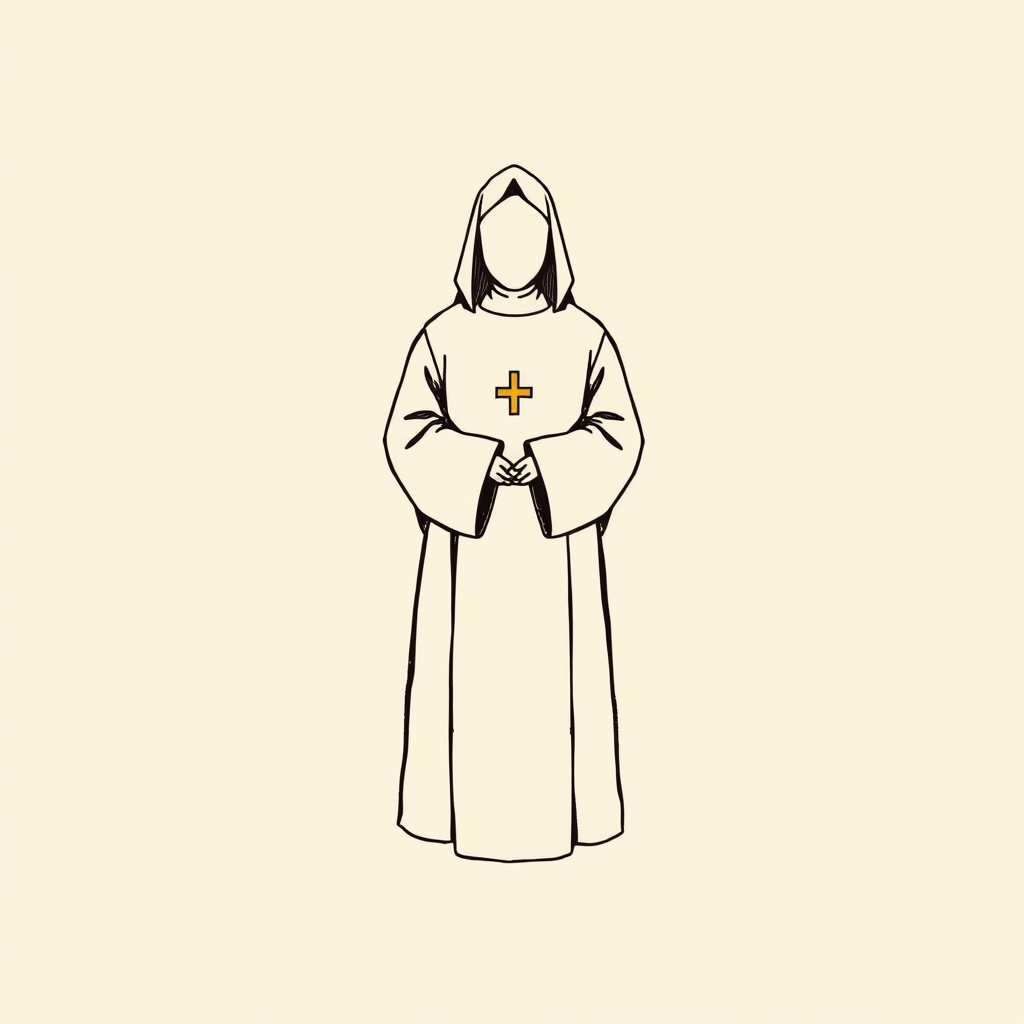
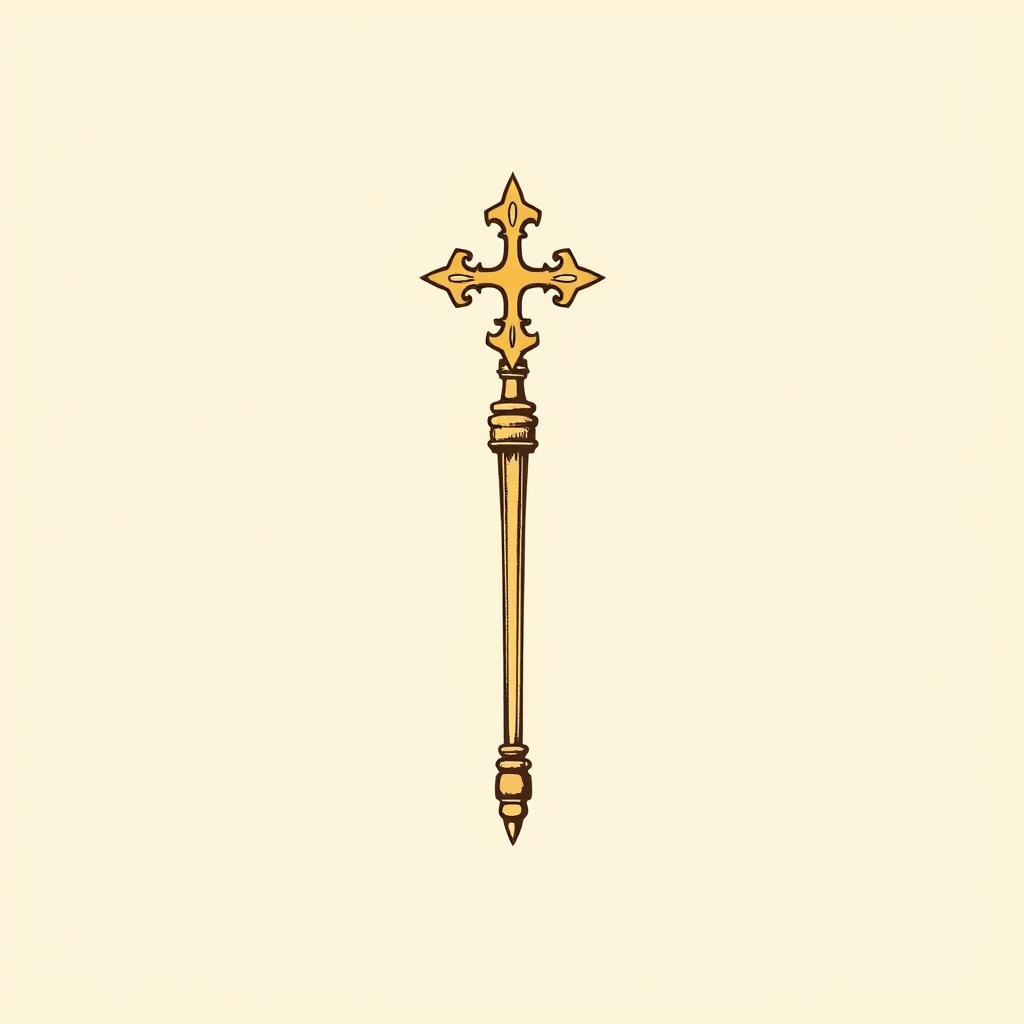
In iconography, Saint Augustus (August) is recognizable by: monastic habit and abbot's crosier.
What miracles are attributed to Saint Augustus (August)?
2 miracles are attributed to this saint, notably: Healing and Vision / apparition.
Which saints were contemporaries of Saint Augustus (August)?
Contemporaries include: Saint Remigius (Apostle of the Franks), Saint Antide of Besançon, Saint Eugene of Carthage and Saint Nicaise of Reims.
When did Saint Augustus (August) die?
Saint Augustus (August) died around 600.
What are the other names of Saint Augustus (August)?
Other forms of the name: Août.
Annexes & related entities
Structured data for exploration: events, miracles, quotes, places, attributes, patronages, and important entities cited in the text.
Key Events
- Member of Bishop Desiderius's household
- Miraculous healing of his contracted limbs thanks to the relics of Saint Martin
- Construction of an oratory in Brives
- Appointed abbot of Saint-Symphorien by Bishop Prohien
- Vision and discovery of the body of Saint Ursin with Saint Germain of Paris
Quotes
-
Dig the earth and seek my body, for I am Ursinus, the first bishop of this city
Words of Saint Ursinus reported in the text