
High-ranking officers under Emperor Maximian, Sergius and Bacchus were martyred around the year 300 for their refusal to sacrifice to idols. After suffering humiliation and torture, Bacchus died under the lash while Sergius was beheaded after being miraculously healed of his wounds. Their cult became famous as far as Persia and numerous basilicas were erected in their honor.
Contemporaries

Figures and markers around the normalized period for this entry.
Guided reading
6 reading sections
SAINTS SERGIUS AND BACCHUS
ROMAN KNIGHTS AND MARTYRS (c. 300).
Refusal of sacrifice and humiliation
Sergius and Bacchus, officers of the Emperor Maximian, refuse to participate in a pagan sacrifice at Angosta. They are demoted and publicly humiliated by being dressed in women's clothing.
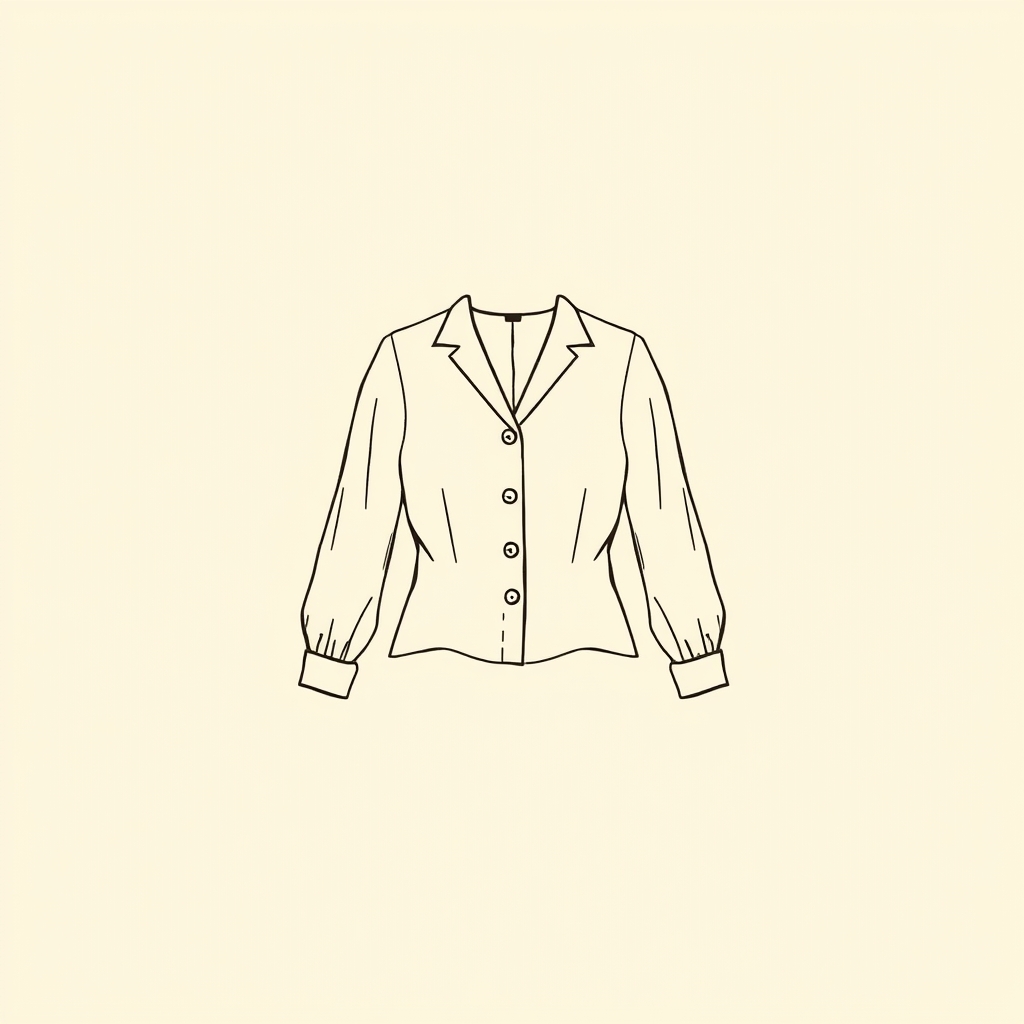
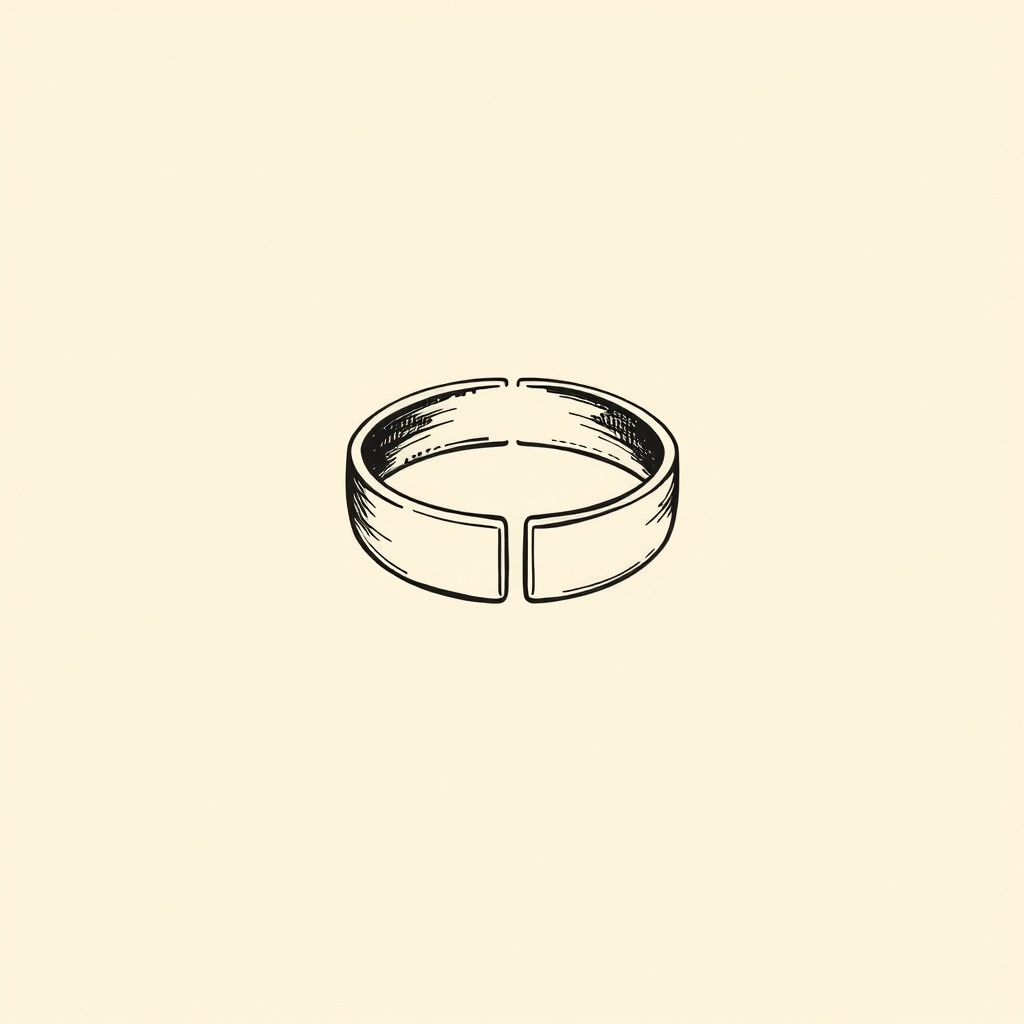
Sergi us and Bacchus were Roman knights and secretaries of state to the Emperor Maximian . One day, this prince, having gone to the city o f Angos ta (Rasse-Syria), decided to offer a solemn sacrifice to the idols, at which he ordered all his officers to be present. As he did not see these two there, he wanted to know why they had absented themselves; and, having learned from their own mouths that it was because they were Christians, he immediately had the marks of their dignity removed, had them dressed in women's clothing and loaded with heavy iron collars, ordering that they be led in this state through all the streets of the city, to be the object of the mockery and outrages of the people.
Transfer before the prefect Antiochus
Faced with their firmness, Maximian sends them to the East to the cruel prefect Antiochus, hoping that the fatigue of the journey and the terror of the judge will break their faith.
After having suffered this ignominy with joy and while blessing God, they were brought back before the emperor, who, upon leaving the temple, had returned to his palace. He employed all sorts of artifices to force them to renounce their faith; but, seeing that he could not alter their constancy either by his threats or by his fine promises, he sent them to Antiochu s, who was prefect of the East and passed for the cruelest and most inexorable man in the entire empire; he hoped to shake their great firmness, as much by the fatigue of the roads and the outrages they would receive on their route, as by the terror they would have of falling into the hands of this barbarian, who was feared by everyone. Moreover, he wanted to humiliate them further by sending them back before the tribunal of a man whom they had once commanded and who had only obtained his position through the influence of Sergius; but all this was not capable of separating them from Our Lord. They made this journey for his love with pleasure, and, rejoicing in the outrages that were lavished upon them, they submitted generously to the injustice of a villain who was unworthy of being their judge.
The martyrdom of Saint Bacchus
Bacchus is scourged to death by four executioners. Before dying, he receives a heavenly vision and subsequently appears to Sergius to encourage him to persevere.
The day after their arrival, Antiochus had them brought before him, and, after having uselessly attempted every means he could devise to make them sacrifice to the idols, he condemned Bacchus t o be w hipped by four executioners; this was carried out with such inhumanity that he gave up his soul in the violence of this torture. In the midst of the lashes, he heard a heavenly voice inviting him to come and receive the crown of his martyrdom; and the following night, he appeared to Sergius in the prison and exhorted him to endure constantly the torments that were being prepared for him, so that, having been companions in arms and in suffering, they might both share in the same triumph.
The torments and death of Saint Sergius
Sergius endured the torture of the nailed shoes and a miraculous healing before being beheaded on October 7, around the year 300.
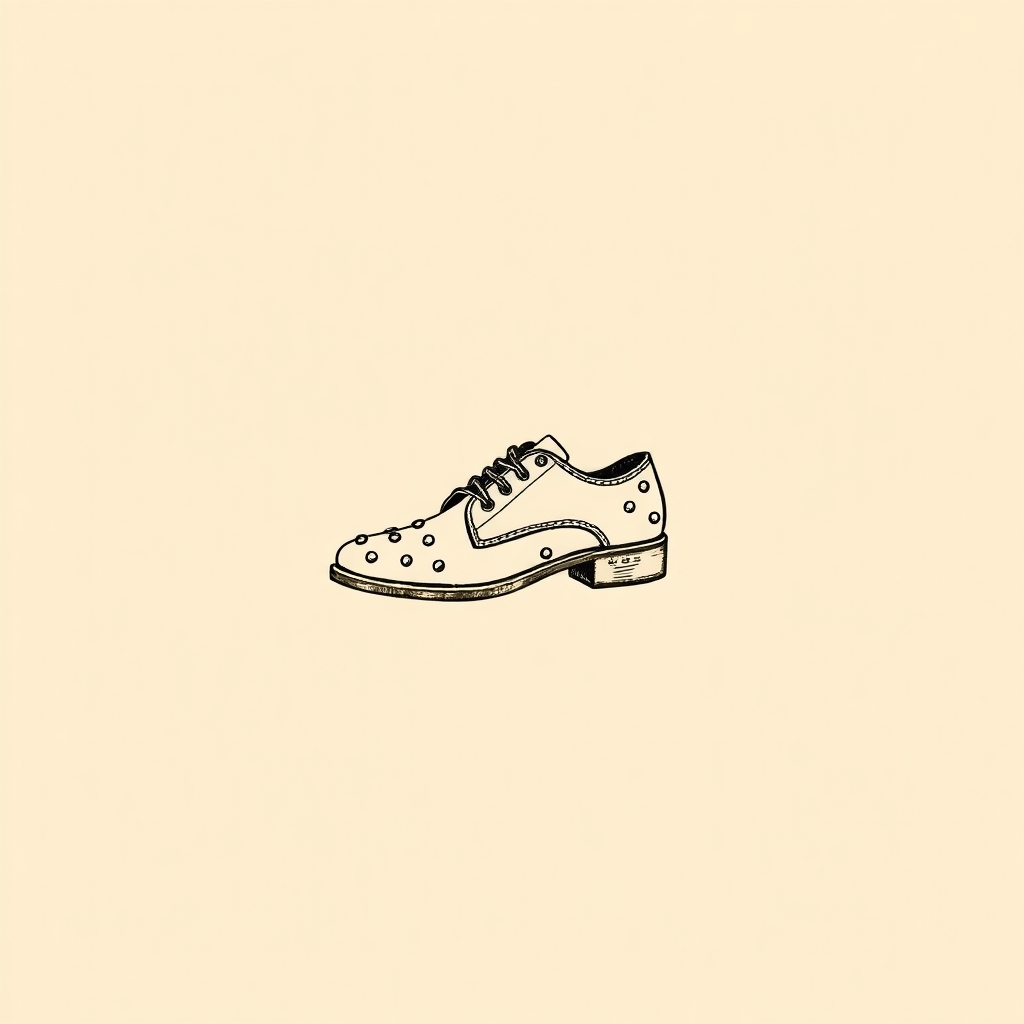
These torments were to be horrible. Antiochus, finding himself obliged to go to another city, had Sergius put on shoes whose soles were lined inside with nail points, and he compelled him, with this cruel footwear, to run the entire way in front of his chariot. The following night, the Saint was healed of all his wounds by the ministry of an angel who appeared to him; the prefect, attributing this to the operations of magic, made him endure the same torture a second time. Finally, despairing of being able to seduce him, he condemned him to have his head cut off: which was executed on October 7, around the year of grace 300.
Cult, miracles, and influence
The fame of Sergius extended as far as Persia and gave his name to the city of Sergiopolis. Emperor Justinian and several popes honored his memory through the construction of edifices.
The memory of Saint Sergius was made famous by so many miracles that not only Christians went on pilgrimage to his tomb, but also idolaters. Chosroes, King of Persia, presented his church with a very beautiful gold cross, along with other precious ornaments, in recognition of the fact that Queen Sira, his wife, had been preserved from the death with which she was threatened after having commended herself to his prayers. The place where he suffered martyrdom became so illustrious that it is now called Sergi opolis, tha t is to say, the city of Sergius. Emperor Jus tinian ha d two basilicas built in his honor: one in Constantinople and the other in Ptolemais. There is still a very ancient one in Rome under his name and that of Saint Bacchus; it is a cardinal's title. Pope Gregory III had it repaired. Some of the sacred relics of both were transported to France, namely: a portion to the church of Notre-Dame de Chartres and the other to Angers, in a temple dedicated to them of which King Clovis II is the founder. Saint Gregory of Tours, in his H istory of the Frank s (Book VII, Chap. XXXI ), makes mention of the thumb of Saint Sergius, brought into the Gauls.
Iconography and historical sources
The saints are depicted with their instruments of torture; their lives are documented by Tillemont, Theodoret, and Gregory of Tours.
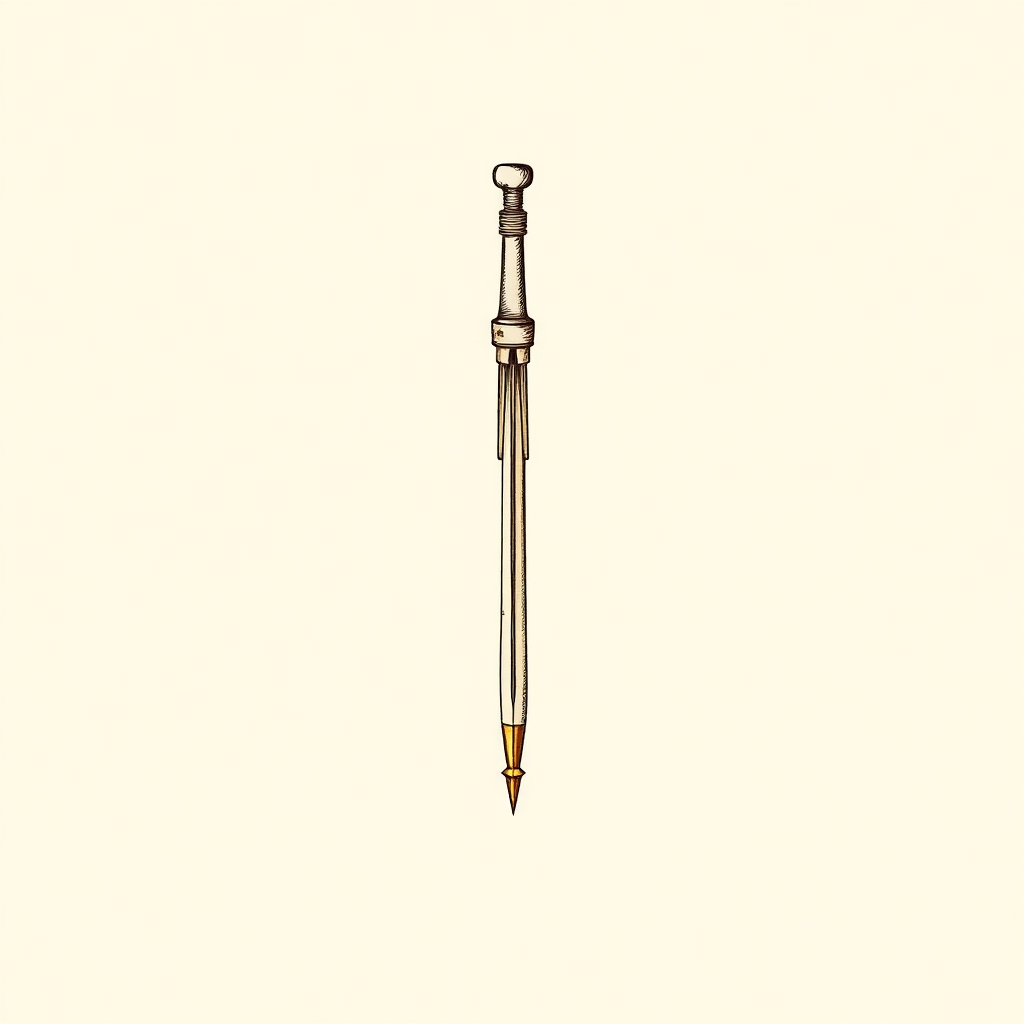
They are represented with the instruments of their torture.
Tillemont; Theodoret; Gregory of Tours.
Iconography
Signs and attributes
Entities
Narrative network
The names, places, and concepts most present in the entry, weighted by centrality in the text.
The supernatural in their life
The miracles of Saints Sergius and Bacchus
Frequently asked questions about Saints Sergius and Bacchus
Who was Saints Sergius and Bacchus?
High-ranking officers under Emperor Maximian, Sergius and Bacchus were martyred around the year 300 for their refusal to sacrifice to idols. After suffering humiliation and torture, Bacchus died under the lash while Sergius was beheaded after being miraculously healed of his wounds. Their cult became famous as far as Persia and numerous basilicas were erected in their honor.
What is Saints Sergius and Bacchus the patron saint of?
Patronage of Saints Sergius and Bacchus: Sergiopolis.
How is Saints Sergius and Bacchus depicted in Christian art?
In iconography, Saints Sergius and Bacchus is recognizable by: instruments of their torture, women's clothing (episodic), iron collars, shoes studded with nails and gold cross.
How did Saints Sergius and Bacchus die?
Saints Sergius and Bacchus suffered martyrdom for the Christian faith (3rd century).
What miracles are attributed to Saints Sergius and Bacchus?
4 miracles are attributed to this saint, notably: Vision / apparition, Healing and Protection / deliverance.
Which saints were contemporaries of Saints Sergius and Bacchus?
Contemporaries include: Saint Irenaeus of Lyon, Saint Ausonius of Angoulême, Saint Firmin of Pamplona and Saint Baudilus.
What are the other names of Saints Sergius and Bacchus?
Other forms of the name: Sergius and Bacchus.
Annexes & related entities
Structured data for exploration: events, miracles, quotes, places, attributes, patronages, and important entities cited in the text.
Key Events
- Refusal to sacrifice to idols in Angosta
- Public humiliation in women's clothing with iron collars
- Bacchus dies under the lash of four executioners
- Sergius is forced to run in shoes studded with nails
- Miraculous healing of Sergius by an angel
- Beheading of Sergius