
Blessed Simon de Roxas
OF THE ORDER OF THE MOST HOLY TRINITY FOR THE REDEMPTION OF CAPTIVES (1624).
A Spanish Trinitarian religious born in Valladolid, Simon de Roxas was the confessor to Queen Elisabeth and tutor to the sons of Philip II. Marked by a deep Marian devotion, he distinguished himself by his humility and heroic dedication to the poor and the sick during an epidemic in Madrid. He died in 1624 and was beatified in 1776.
Contemporaries

Figures and markers around the normalized period for this entry.
Guided reading
4 reading sections
BLESSED SIMON DE ROXAS,
OF THE ORDER OF THE MOST HOLY TRINITY FOR THE REDEMPTION OF CAPTIVES (1624).
Youth and religious formation
Born in Valladolid in 1552, Simon was trained in piety by his parents before entering the Trinitarians, where he excelled in theology.
Simon was born in Vallado lid in 1552. His parent s, Gregory Ru iz a nd Constance de Ro xas, who were fervent Christians, trained him early in piety. They endeavored to inspire in him a tender love for the Blessed Virgin, and this love always shone in him with a particular brilliance until the end of his life. Simon was still young when he entered the Order of the Most Holy Trinity for the Redemption of Captives; he de voted himself there with ardor to the study of theology and made rapid progress in the sciences. He had a precious and always effective means of enlightening his intelligence: when he encountered any difficulty, he sought the solution through prayer.
Ministry at the Spanish Court
Confessor to Queen Elizabeth and tutor to the infants, he reconciled his court duties with an intense life of prayer and the founding of a Marian confraternity.
Our young professed friar occupied all the offices of his Order in succession and fulfilled them with prudence and discretion, to general satisfaction. Based on his reputation, the Que en of Spa in, Elizabet h, wife of Philip II, chose him as her confessor. In accepting this charge, Simon did not renounce any of his labors; he continued to proclaim the word of God, and, to honor the Blessed Virgin in a very special way, he established a Confraternity whose members pledged to perform some devotional practice in her honor each day. His reputation only grew with the years, and Philip II, departing to take possession of the throne of Portugal, entrusted him with hi s two sons, Don Carlos and D on Ferdina nd. Honors in no way weakened the humility of the servant of God. He exercised the holy ministry as much as the offices he had to fulfill allowed him, and he devoted to prayer and meditation all the time he could steal from his occupations.
Devotion to the poor and end of life
He devoted himself to the sick during an epidemic, founded a monastery in Madrid, and died in 1624 after announcing his approaching end.
An epidemic having broken out, the Blessed Simon devoted himself entirely to the service of those struck by the plague. He replied to the King, who forbade him from visiting hospitals and prisons for fear that he might bring the contagion into the palace: "I prefer the service of the poor to that of the court." His Order owed him the establishment of a new monastery in Madrid. Warned of his approaching end, he announced it to his religious, and, after having celebrated the Holy Mass with extraordinary devotion, he expired the following night, at the age of seventy-two (September 28, 1624). All the religious Orders of Madrid attended his funeral and celebrated a solemn service for him in the churches of their monasteries. The canonization process began shortly after his death; more than one hundred witnesses were heard and testified to the virtues or miracles of the servant of God. Pope Clement XIII inscribed him i n the catalo gue of the Blessed on May 13, 1776.
Sources
The text relies on the works of Charles Butler and Abbé Tresvaux.
Taken from the Supplem ent by Charles Butle r, by M. l'abbé Tr esvaux
Iconography
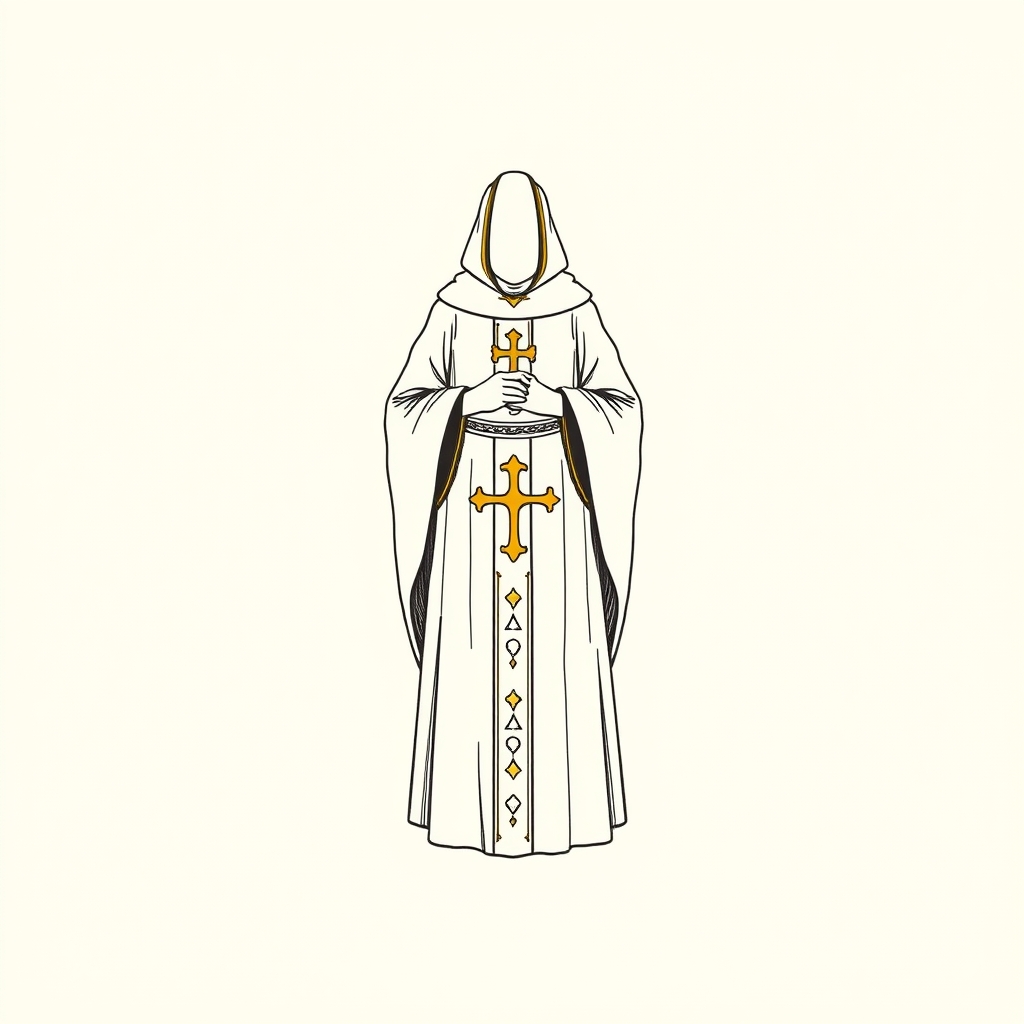
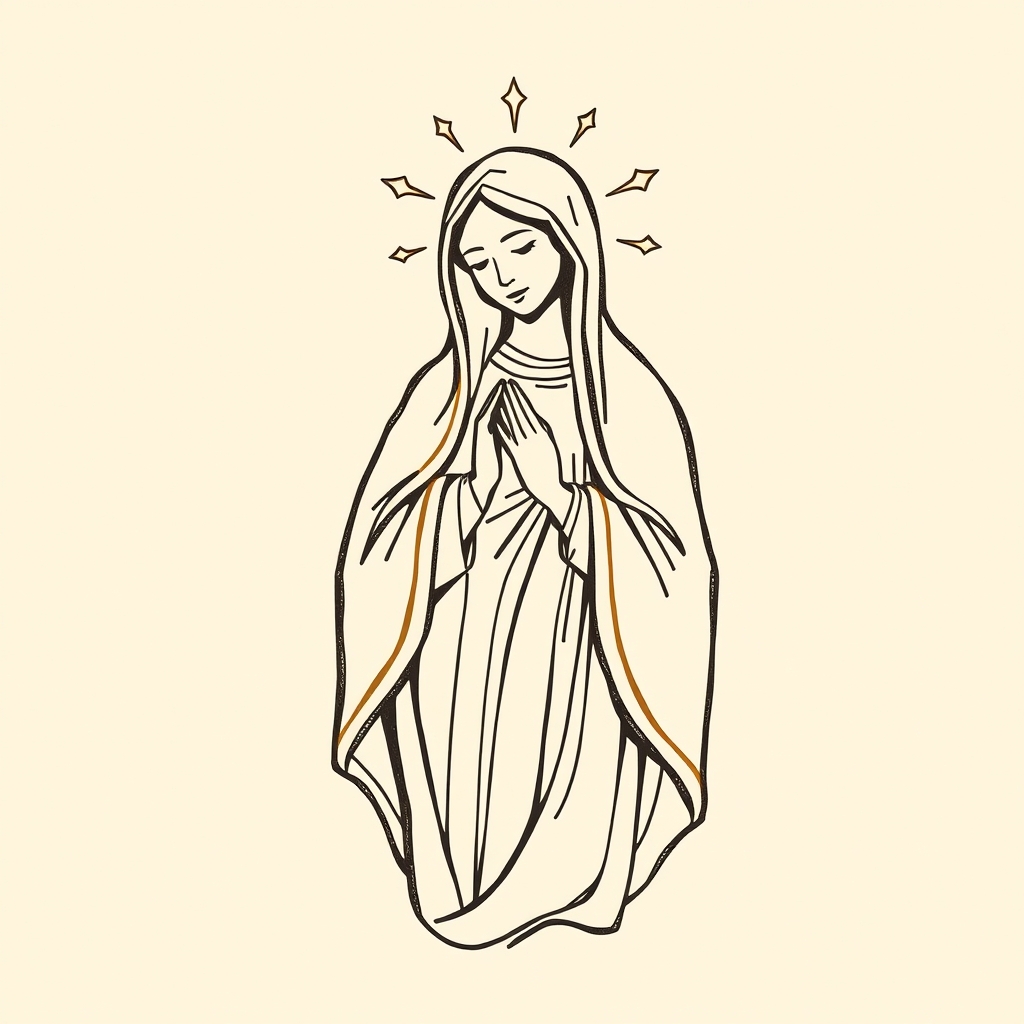
Signs and attributes

Entities
Narrative network
The names, places, and concepts most present in the entry, weighted by centrality in the text.
The supernatural in their life
The miracles of Blessed Simon de Roxas
Frequently asked questions about Blessed Simon de Roxas
Who was Blessed Simon de Roxas?
A Spanish Trinitarian religious born in Valladolid, Simon de Roxas was the confessor to Queen Elisabeth and tutor to the sons of Philip II. Marked by a deep Marian devotion, he distinguished himself by his humility and heroic dedication to the poor and the sick during an epidemic in Madrid. He died in 1624 and was beatified in 1776.
What is Blessed Simon de Roxas the patron saint of?
Patronage of Blessed Simon de Roxas: Trinitarian Order and Confraternity of the Blessed Virgin.
What is Blessed Simon de Roxas invoked for?
Blessed Simon de Roxas is invoked for: Redemption of captives and Enlightening the intellect through prayer.
How is Blessed Simon de Roxas depicted in Christian art?
In iconography, Blessed Simon de Roxas is recognizable by: Habit of the Order of the Most Holy Trinity, Theology book and Image of the Blessed Virgin.
What miracles are attributed to Blessed Simon de Roxas?
1 miracle are attributed to this saint, notably: Sign / wonder.
Which saints were contemporaries of Blessed Simon de Roxas?
Contemporaries include: María de Jesús López Rivas, Mariana de Jesús de Paredes, Blessed Mariana de Jesús (de Paredes y Flores) and Saint Francis de Sales (Bishop and Prince of Geneva).
When did Blessed Simon de Roxas die?
Blessed Simon de Roxas died around 1700.
What are the other names of Blessed Simon de Roxas?
Other forms of the name: Simon de Rojas.
Who are the relatives of Blessed Simon de Roxas?
Relatives of Blessed Simon de Roxas: Grégoire Ruiz (father) and Constance de Roxas (mother).
Annexes & related entities
Structured data for exploration: events, miracles, quotes, places, attributes, patronages, and important entities cited in the text.
Key Events
- Born in Valladolid in 1552
- Entered the Order of the Most Holy Trinity for the Redemption of Captives
- Confessor to Queen Elisabeth, wife of Philip II
- Tutor to the infants Don Carlos and Don Ferdinand
- Dedication to the sick during an epidemic
- Foundation of a monastery in Madrid
- Beatification by Clement XIII on May 13, 1776
Quotes
-
I prefer the service of the poor to that of the court
Reply to King Philip II