
A 14th-century Catalan Dominican religious, Dalmace Monier was a renowned theologian and master of novices in Girona before retiring into solitude. After a stay at Sainte-Baume, he ended his days as an anchorite in a cave. His cult was officially recognized by the papacy in the 18th century.
Contemporaries

Figures and markers around the normalized period for this entry.
Guided reading
5 reading sections
BLESSED DALMACE MONIER OR MONNER,
OF THE ORDER OF PREACHERS (1341). — 25TH DAY OF SEPTEMBER
Youth and studies
Born in Catalonia in 1291, Dalmace Monier studied in Girona and then at the University of Montpellier, where he distinguished himself by his moral rigor in the face of the excesses of his peers.
Blessed Dalmace Monier was born in 1291 in Santa Coloma de Farners, near Girona, in Cat alonia, began his studies in the latter city, and went on to continue them in Montpelli er (Hérault ), whose university then enjo yed a great reputation. Most of the students who followed his courses led a life that was hardly Christian; many even gave themselves over to shameful excesses: which inspired in Dalmace a redoubling of vigilance over himself, so as not to let himself be corrupted by their examples.
Entry into the Dominican Order
In 1314, he joined the Order of Saint Dominic in Girona. There, he became a professor of theology and master of novices.
When his studies were completed, the fear of losing himself in the world inspired in him the resolution to leave it without return; which he did by taking the habit of Saint Dominic in Gi rona (1314). After his profession, he was charged with teaching theology, and subsequently he was established as master of novices.
Attraction to eremitism
After twenty years in Girona, he retired to Sainte-Baume in Provence, then ended his life in a cave near his original monastery.
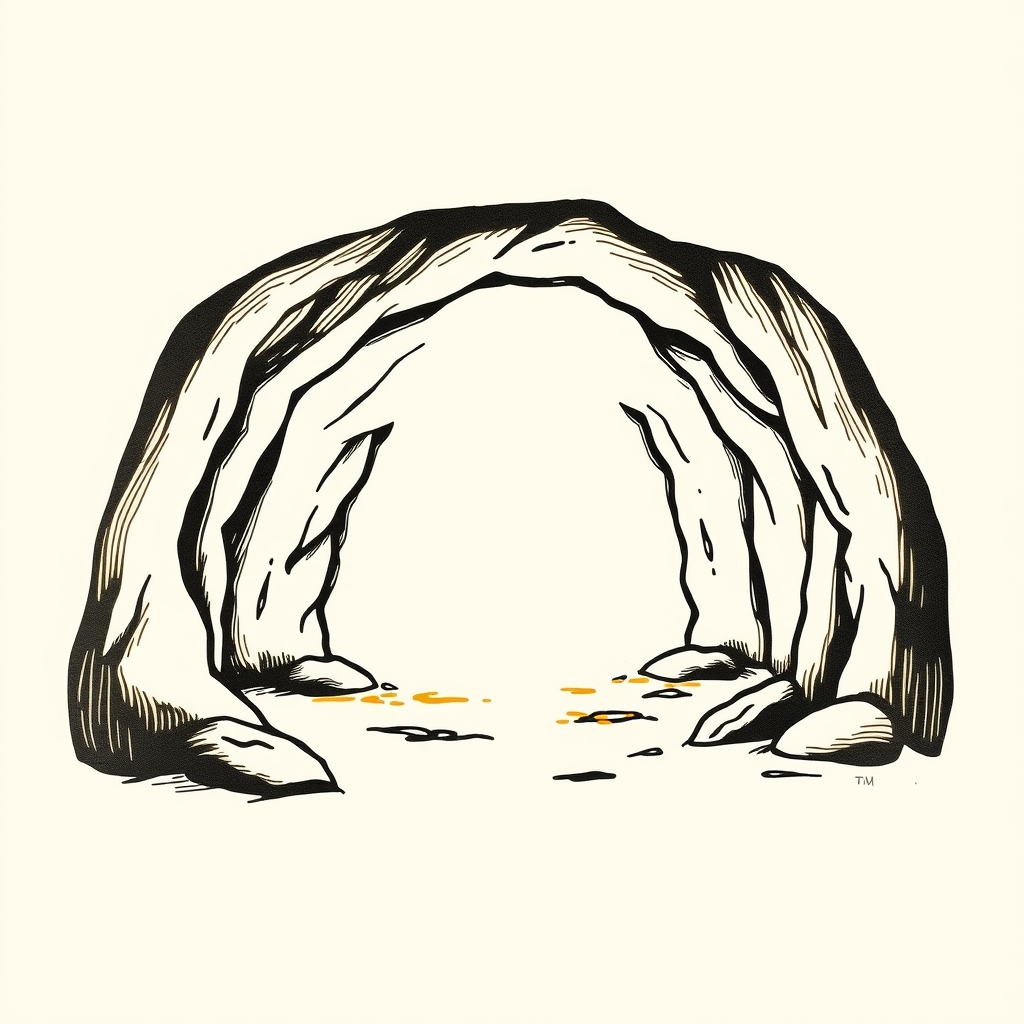
After a twenty-year stay in Girona, the applause and veneration that his holy life attracted to him determined him to leave that city, and he retired, with the permission of his superiors, to the hermitag e of Sainte-Baume, in Prove nce, where he gave himself over to extraordinary austerities. He had been there for three years when his superiors recalled him to Girona; but, so as not to overly thwart the attraction he had for the anchoritic life, they permitted him to retire into a cave that he had dug near the monastery. He spent the last four years of his life there, and he only left it to follow the principal exercises of the community.
Death and recognition of the cult
Died in 1341, his cult is marked by miracles and a translation of relics in 1613, before being officially approved by the popes in the 18th century.
He died on September 24, 1341, and several miracles occurred at his funeral. A solemn translation of his relics took place in 1613, and it was on this occasion that the city of Gi rona erected a superb mausoleum for him, and an altar was dedicated under his invocation. Innocent XIII approved his cult in 1721; Benedict XIII, in 1726, permitted the clergy of the diocese of Girona and th e entire Order of Saint Dominic to celebrate his feast on September 24.
Hagiographic source
The text is taken from the Hagiographic Dictionary by Abbé Migne.
Excerpt from the Hagiographic Dictionary by Abbé Migne.
Iconography
Signs and attributes
Entities
Narrative network
The names, places, and concepts most present in the entry, weighted by centrality in the text.
The supernatural in their life
The miracles of Blessed Dalmace Monier (Monner)
Frequently asked questions about Blessed Dalmace Monier (Monner)
Who was Blessed Dalmace Monier (Monner)?
A 14th-century Catalan Dominican religious, Dalmace Monier was a renowned theologian and master of novices in Girona before retiring into solitude. After a stay at Sainte-Baume, he ended his days as an anchorite in a cave. His cult was officially recognized by the papacy in the 18th century.
What is Blessed Dalmace Monier (Monner) the patron saint of?
Patronage of Blessed Dalmace Monier (Monner): Girona.
How is Blessed Dalmace Monier (Monner) depicted in Christian art?
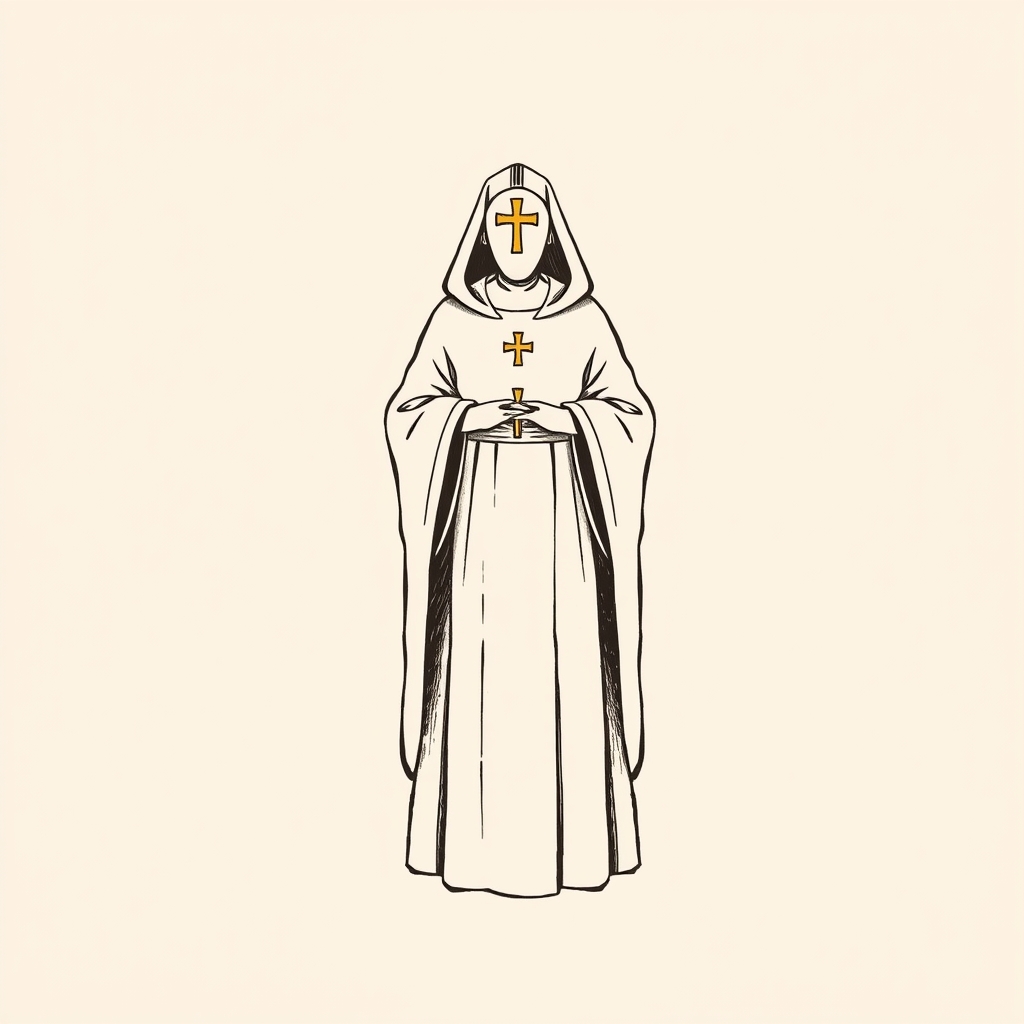
In iconography, Blessed Dalmace Monier (Monner) is recognizable by: Dominican habit and cave.
What miracles are attributed to Blessed Dalmace Monier (Monner)?
1 miracle are attributed to this saint, notably: Sign / wonder.
Which saints were contemporaries of Blessed Dalmace Monier (Monner)?
Contemporaries include: Saint Thomas Aquinas, Saint Peregrinus of Auxerre, Saint Francis of Assisi (Confessor) and Saint Colette (Nicole).
When did Blessed Dalmace Monier (Monner) die?
Blessed Dalmace Monier (Monner) died around 1341.
What are the other names of Blessed Dalmace Monier (Monner)?
Other forms of the name: Monner and Dalmatius Moner.
Annexes & related entities
Structured data for exploration: events, miracles, quotes, places, attributes, patronages, and important entities cited in the text.
Key Events
- Born in 1291 in Sainte-Colombe de Farnez
- Studies in Girona then at the University of Montpellier
- Took the habit with the Dominicans in Girona in 1314
- Teaching theology and master of novices
- Three-year retreat at the Sainte-Baume hermitage in Provence
- Anachoretic life in a cave near the monastery of Girona
- Died in 1341
- Solemn translation of relics in 1613
- Approval of the cult by Innocent XIII in 1721