
Saint Joseph Calasanz of Peralta
FOUNDER OF THE CONGREGATION OF THE CLERICS REGULAR OF THE PIOUS SCHOOLS
Saint Joseph Calasanz is the founder of the Congregation of the Pious Schools in Rome, dedicated to the free education of poor children, including Jewish children. Dying at 92, he left behind a teaching order that spread throughout Europe. His relics rest in the Church of San Pantaleo in Rome.
Guided reading
6 reading sections
SAINT JOSEPH CALASANZ OF PERALTA,
FOUNDER OF THE CONGREGATION OF THE CLERICS REGULAR OF THE PIOUS SCHOOLS
Foundation of the Pious Schools
Saint Joseph founded the congregation of the Poor of the Mother of God, dedicated to the free education of poor children under the protection of the Virgin Mary.
And Saint Josep h received the title of Prefec t of the Pi ous Schools. He gave his congregation the touching name of the Poor of the Mother of God and the Pious Schools. Poverty, Mary, childhood—these three words went straight to the soul and attracted abundant blessings and aid to the devoted men who adopted them as their motto.
Let us add that, by a trait of charity well worthy of a Saint, Joseph admitted Jewish children themselves, and he was often heard thundering, in his preaching, against the custom of the Roman populace, who pursued these poor little unfortunates with their insults because of their religio n. Clement V III approved the new congregation, which became a regular Order with the three ordinary vows, and in addition, the consecration to teaching.
Pedagogical and religious method
Description of the school discipline and daily religious exercises imposed on students, including free tuition and religious diversity.
The Saint applied himself above all to raising children under the rule of a wise discipline; the religious (Scalopii) still observe the same method. They receive children of all conditions free of charge, from the age of seven, and give them three hours of lessons in the morning and as many in the evening. The students go to Mass every day, say their prayers at the beginning and end of classes; they gather, even on Sundays, in their classrooms, to engage in various religious exercises, among others, to recite the Little Office of the Blessed Virgin. Each year, around Easter, all these children are given the exercises of a retreat.
The example of Rome
The author highlights the primacy of Rome in establishing the first free schools for the people, preceding France.
Let France be proud, as she rightly may be, of her Christian schools; but, as a respectful daughter, let her still yield the precedence here to her moth er. Rome has over her, as over all other churches, the glorious advantage of having been the first to open free schools for the children of the people. It is a holy priest who, struggling with courage against all obstacles, has left the world this beautiful example, and religion can say that the education of the poor belongs to her, both by right of birth and by right of conquest.
Posterity and canonization
Death of the saint at 92, his canonization by Clement XIII, and the international expansion of the Order in Central Europe.
Saint Joseph Calasanz died at the age of ninety-two. He was canonized by Clement XII I, who inser ted his office into the Roman Breviary and fixed his feast day on August 27. The Pious Schools spread rapidly, not only in Italy, but in Spain, Austria, Moravia, Hungary, and Poland. The duties of the first religious were limited to teaching reading, writing, catechism, arithmetic, grammar, and bookkeeping. Later, the regular clerics opened large colleges where they taught not only the humanities, but also philosophy and theology.
The body of the Saint rests in the church of Saint Pantaleon in Rome , and is displayed in a beautiful porphyry urn above the high altar.
Symbolic representations
Analysis of the saint's iconographic attributes, notably the coat of arms of his order and his refusal of episcopal dignities.
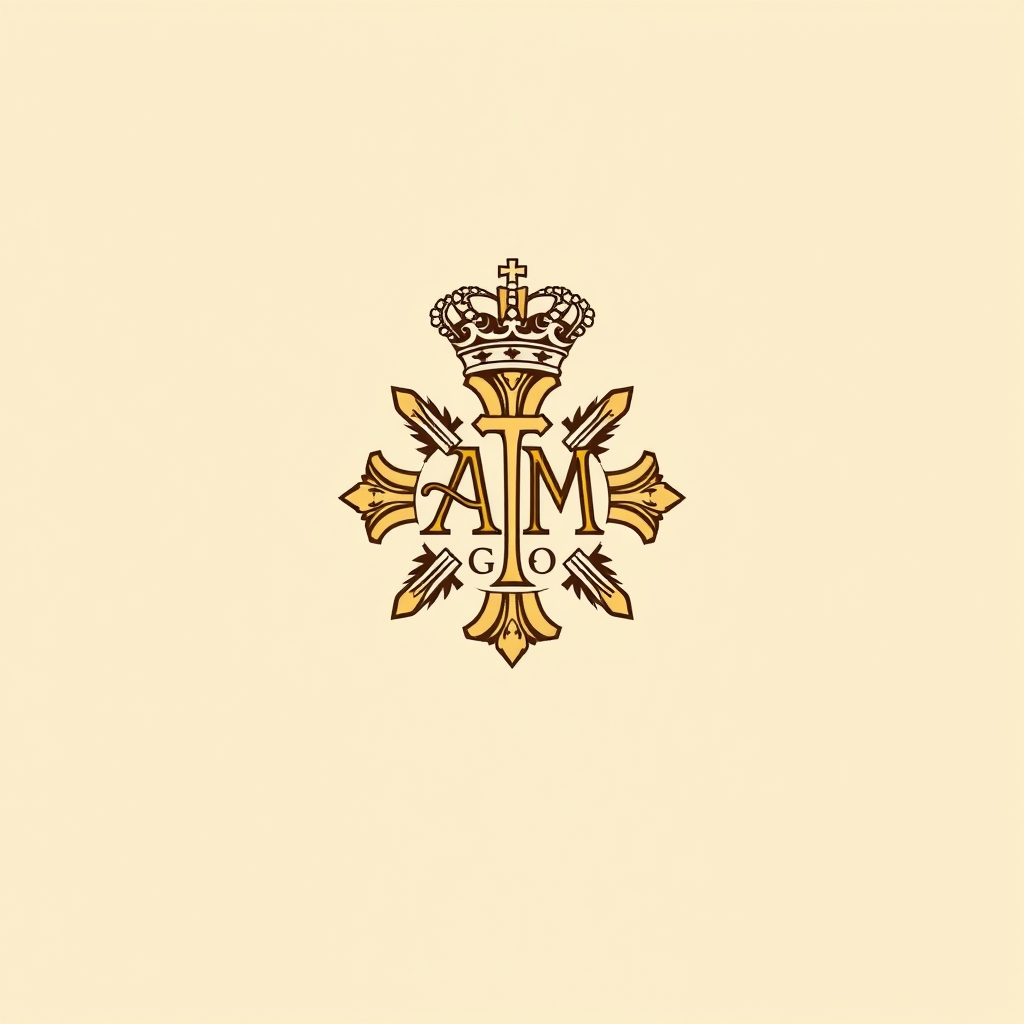
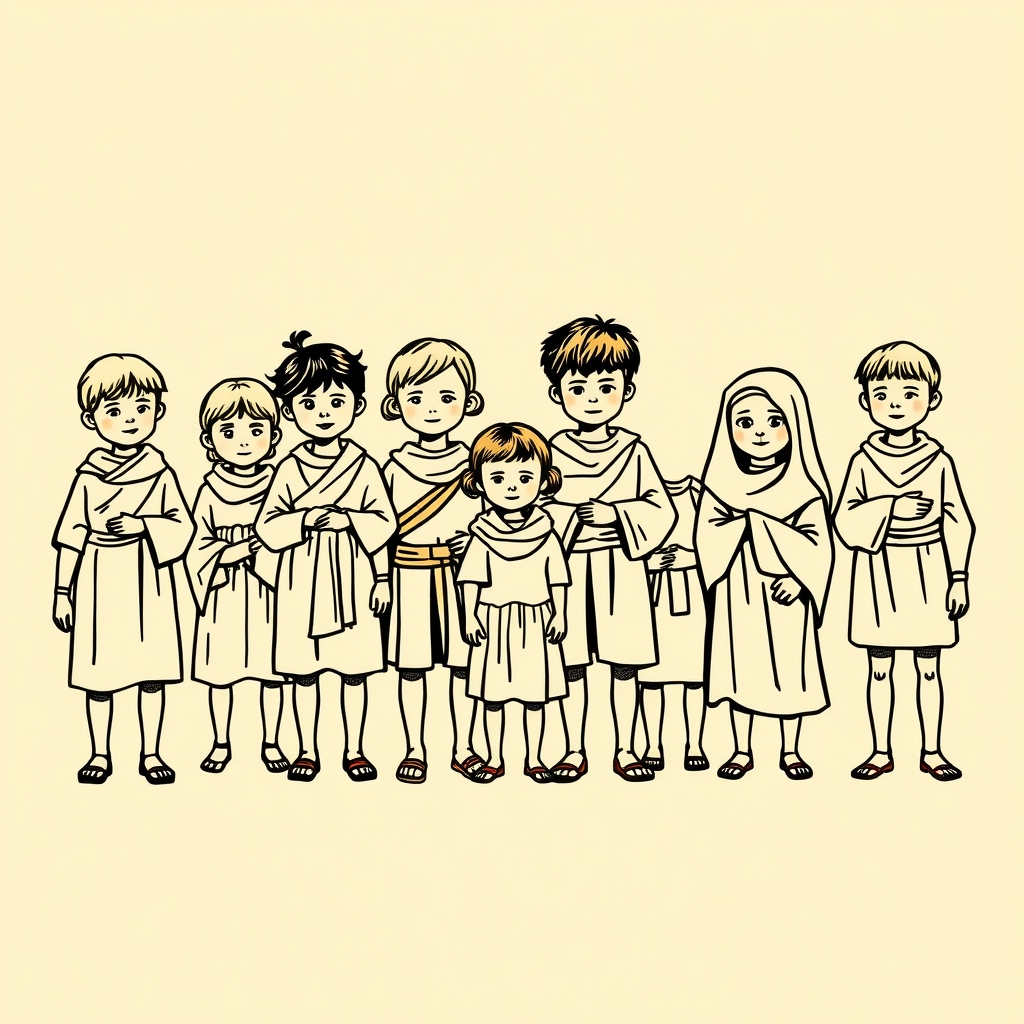
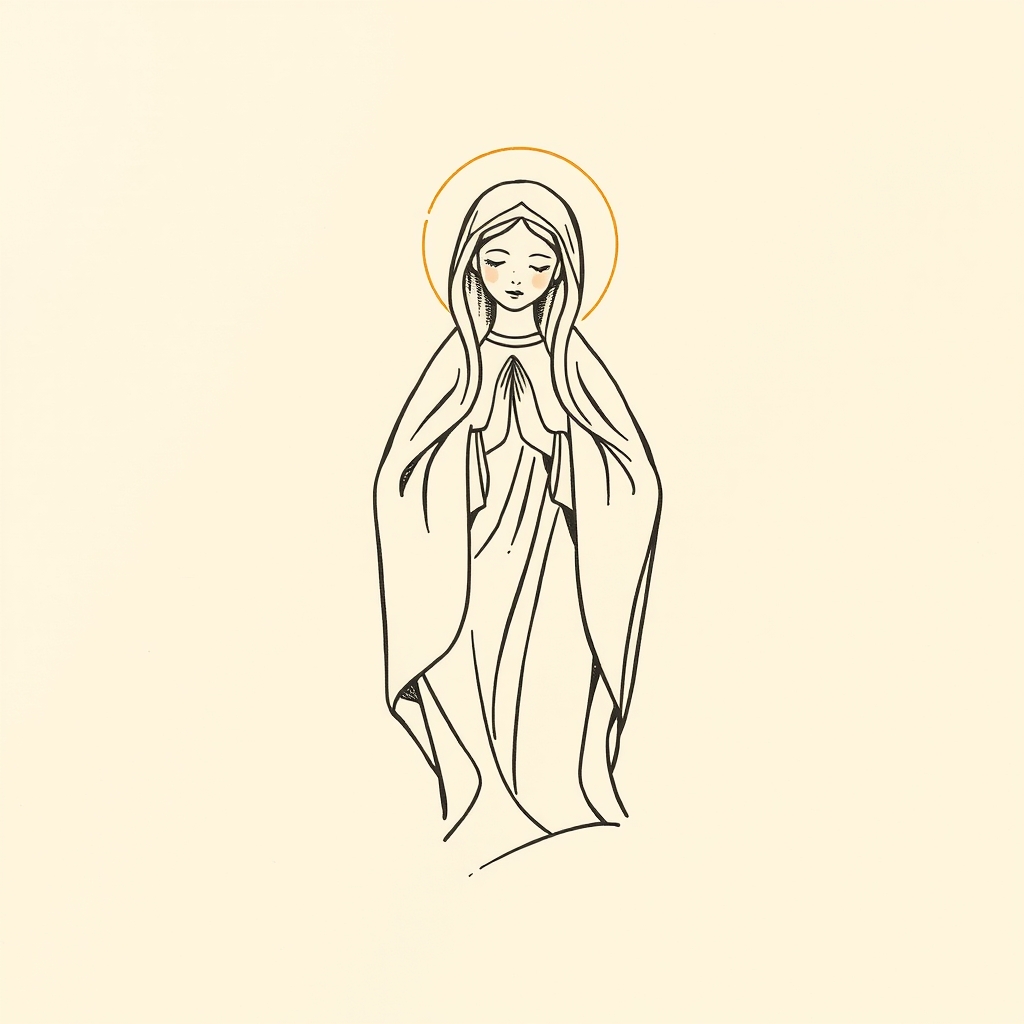
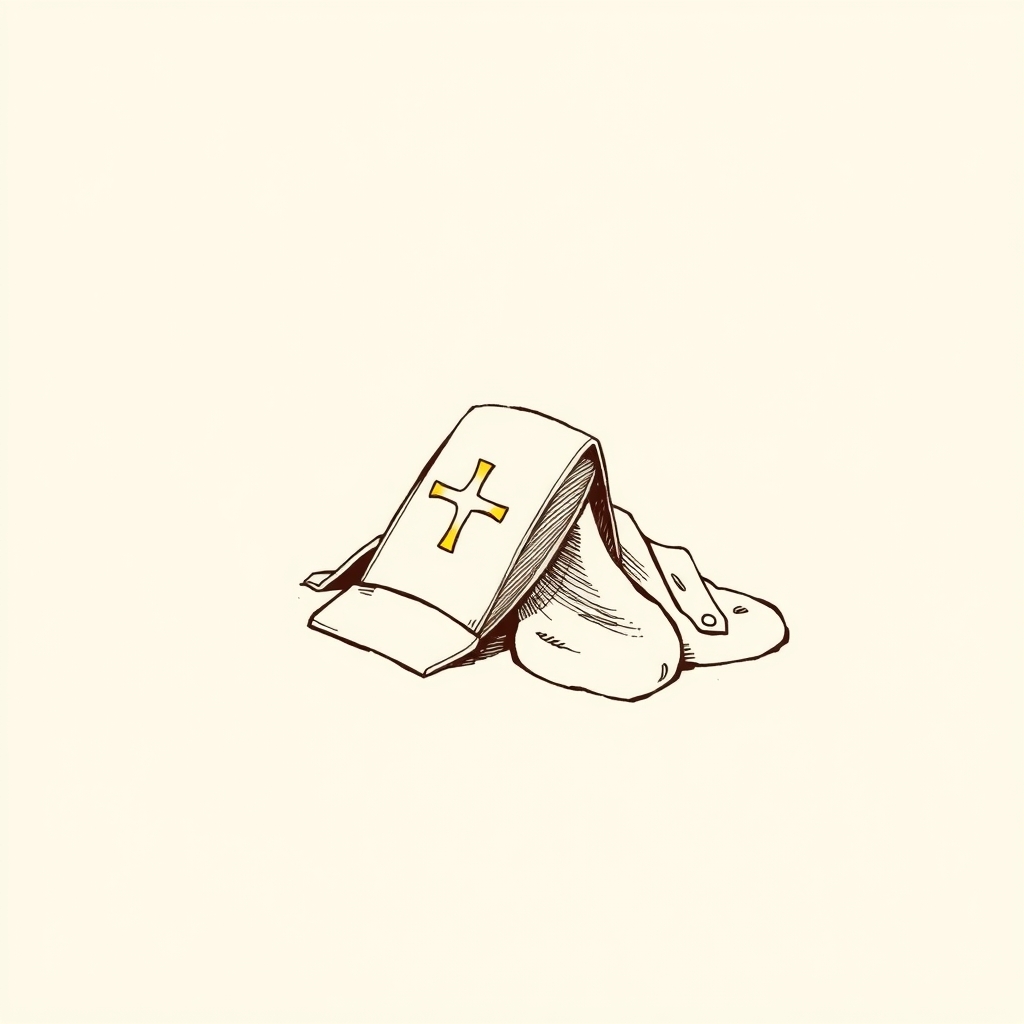
Saint Joseph is represented: 1° holding in his hand the coat of arms of his Order. These are the letters A and M intertwined, and surmounted by a crown and a cross. Below these initials of the Ave Maria are seen the sigla in Greek letters MP ΘY, to recall that the Order of the Piarists was p laced by its founder under the special protection of the most holy Virgin; 2° accompanied by a group of children of the people, a striking symbol of the philanthropic goal of the Order, which is the education of the poor class; 3° having near him an image of Mary whom he honored with a very particular devotion; 4° with an overturned miter at his feet, perhaps because he refused an episcopal see.
Author's Sources
Enumeration of the works and authors used in the writing of this biography.
To compose this biography, we have made use of The Three Romes, by Mgr Gaxim e; Rome, i ts churches, its monuments and its institutions, by Abbé Rolland; and Local Notes provided by Abbé Corblet, historiog rapher of Amiens.
Iconography
Signs and attributes
Entities
Narrative network
The names, places, and concepts most present in the entry, weighted by centrality in the text.
Frequently asked questions about Saint Joseph Calasanz of Peralta
Who was Saint Joseph Calasanz of Peralta?
Saint Joseph Calasanz is the founder of the Congregation of the Pious Schools in Rome, dedicated to the free education of poor children, including Jewish children. Dying at 92, he left behind a teaching order that spread throughout Europe. His relics rest in the Church of San Pantaleo in Rome.
What is Saint Joseph Calasanz of Peralta the patron saint of?
Patronage of Saint Joseph Calasanz of Peralta: Piarist Schools and Piarists.
What is Saint Joseph Calasanz of Peralta invoked for?
Saint Joseph Calasanz of Peralta is invoked for: education of poor children and free education.
How is Saint Joseph Calasanz of Peralta depicted in Christian art?
In iconography, Saint Joseph Calasanz of Peralta is recognizable by: coat of arms of his Order (intertwined letters A and M, crown, cross, initials MP ΘY), group of children from the common people, image of Mary and mitre overturned at his feet.
What are the other names of Saint Joseph Calasanz of Peralta?
Other forms of the name: Joseph Casalanz de Petralta, Scalopii and Piaristes.
Annexes & related entities
Structured data for exploration: events, miracles, quotes, places, attributes, patronages, and important entities cited in the text.
Key Events
- Foundation of the Congregation of the Poor of the Mother of God and the Pious Schools
- Obtained the title of Prefect of the Pious Schools
- Approval of the congregation by Clement VIII
- Canonization by Clement XIII
Quotes
-
Poor Clerics Regular of the Mother of God of the Pious Schools
Name given to his congregation