
Saint Tiburtius
Son of the prefect of Rome Chromatius, Tiburtius converted to Christianity under the influence of Saint Sebastian. After miraculously surviving the ordeal of the burning coals, he was beheaded for his faith in 286. His relics were later transferred to Soissons.
Contemporaries

Figures and markers around the normalized period for this entry.
Guided reading
7 reading sections
SAINT TIBURTIUS, MARTYR IN ROME
Theological Introduction
Citation from Saint Augustine on the death of Christ as a remedy for the bitterness of human death.
There is nothing so bitter in the prospect of death that the death of Christ does not sweeten. Saint Augustine.
Conversion and commitment
Son of the prefect Chromatius, Tiburtius converted to Christianity with his father and refused to flee Rome despite the advice of Pope Caius.
Saint Tiburti us was the son of Chrom atius, prefect of Rome, who, having been charged by the emperor to put to death the brothers Saint Mark and Saint Marcellian, and having on this occasion entered into a conference with Tranquillinus their father, whom Saint Sebastian had converted, also recognized for himself the truth of our faith; he embraced it with incredible courage and fervor, even to the point of granting freedom to four hundred slaves he owned, and of withdrawing into his country houses all the weak and faint-hearted Christians he could find, who did not appear generous enough to withstand the rigor of the persecution. Tiburtius imitated his father's example, and, having received baptism with him, he immediately gave signs of a firm faith, a perfect trust in God, a nd a consummate cha rity. Pope Saint Caius wished for him to absent himself from Rome for some time so as not to be exposed so soon to the cruelty of the tyrants; but the new soldier of Jesus Christ, feeling the desire for martyrdom bubbling in his heart, begged this blessed Pontiff to allow him to remain with the holy Confessors in the city, in order to fight there for the religion he had just embraced, and to be animated there more and more by the example of those who would endure death for Jesus Christ.
Miracle and moral conflict
Tiburtius miraculously heals an injured man and enters into conflict with Torquatus, a Christian of dissolute morals whom he attempts to correct.
The greatness of his holiness appeared through a miracle he performed shortly after his conversion. Leaving one day the dwelling where all the Confessors were assembled, he found in the street a man who, having fallen from an upper floor, was so broken that he gave no hope of life. He approached him, and, by the invocation of the adorable name of Jesus Christ, he immediately restored him to perfect health; which was the cause of his conversion and that of his closest relatives, whom Tiburtius led to Saint Caius to receive baptism. He desired so ardently that all those who bore the name of Christian should edify everyone by their words and by the example of their lives, that he could not see a single one in disorder without charitably rebuking him, so that he would not cause the name of Jesus Christ to be blasphemed. Thus, having noticed that a man named Torquatus was a Chris tian in name only, treating himself very delicately, always walking about curled and perfumed, and even maintaining dishonest relationships, he
did not fail to rebuke him for it and to exhort him to reform his morals according to his faith. Torquatus took this remonstrance very badly; and, to take revenge, he conspired with archers so that, one day when he would be praying to God in the church with Tiburtius, they would arrest them both as Christians, in order to present them to the prefect's tribunal.
Betrayal and arrest
Torquat denounces Tiburce out of vengeance; they are arrested and brought before the prefect Fabian, where Torquat's perfidy is revealed.
The deed was carried out according to his plan. The traitor went out with Tiburce and went to pray with him; the archers arrived and seized them without either of them offering resistance. They were led before the prefect Fabia n, who, having been tipped off, said to Torquat: "What then! Torquat, do you also acknowledge a crucified man as your God?" At this question, this impious man began to laugh, and said, pointing to Tiburce, that he had no other God than the one this Blessed man had made known to him. Tiburce saw clearly that it was a perfidious man who had tricked him and delivered him to the tyrant, and who was mocking our religion. Thus, taking the floor, he said to him in a grave and terrible tone:
"Do not think, Torquat, that your artifice is unknown to us; we never took you for a disciple of Jesus Christ. It is not being a disciple of this great Master to frequent lost women, to give oneself continually to debauchery, and to be always in a state of drunkenness. The abominable works by which you have dishonored the Church have sufficiently shown that you had no belief in the Gospel. You were among us, but you were not of us; the betrayal you have committed against me is yet another evident mark of this; but know that instead of harming me, you have procured for me a very great good, since there is nothing I desire more passionately than to give my blood and my life for Him who died on a cross for my love."
Trial by fire and execution
Tiburtius emerges unharmed from walking on burning coals before being beheaded by order of the prefect Fabian in 286.
Fabian, irritated by this speech, told Tiburtius that it was not a question of talking, but of sacrificing to the gods of the empire.
"I sacrifice," said Tiburtius, "only to one God, creator of the world, who reigns on earth and in the heavens: and my greatest desire is to be immolated and sacrificed myself for this confession." — "You must, however," replied Fabian, "obey us, or walk barefoot on burning coals." — "I will walk on them willingly," said Tiburtius, "and these coals will be more pleasant to me than roses."
At that very hour, the executioners covered a space with coals red with fire, from which the flame was still issuing violently. Tiburtius did not wait for them to remove his shoes; but, having taken them off himself, and having made the sign of the cross, he stepped onto these coals and walked upon them without receiving any discomfort, no more than if he had been walking on a bed of flowers and a carpet of tender grass. Then, turning toward the judge, he said to him: "Learn now, Fabian, the strength and power of faith, and recognize, by the miracle you see, that there is no other Divinity than the one I adore, nor any salvation to be hoped for except by embracing the Christian religion." Fabian was too hardened to be won over by this marvel; but, fearing that other pagans might be shaken by it, he immediately pronounced the death sentence against Tiburtius, and sent him to be beheaded in a place three miles from the city, which was between two laurel trees. This was on August 11 of the year 286, six months and twenty-one days after Saint Sebastian. The body of Saint Tiburtius was transported to the Abbey of Saint-Médard in 828. A p ortion of his relics i s preserved in the Cathedral of Soissons.
Cult and iconography
Translation of the relics to Soissons and description of the saint's iconographic attributes, notably the burning coals.
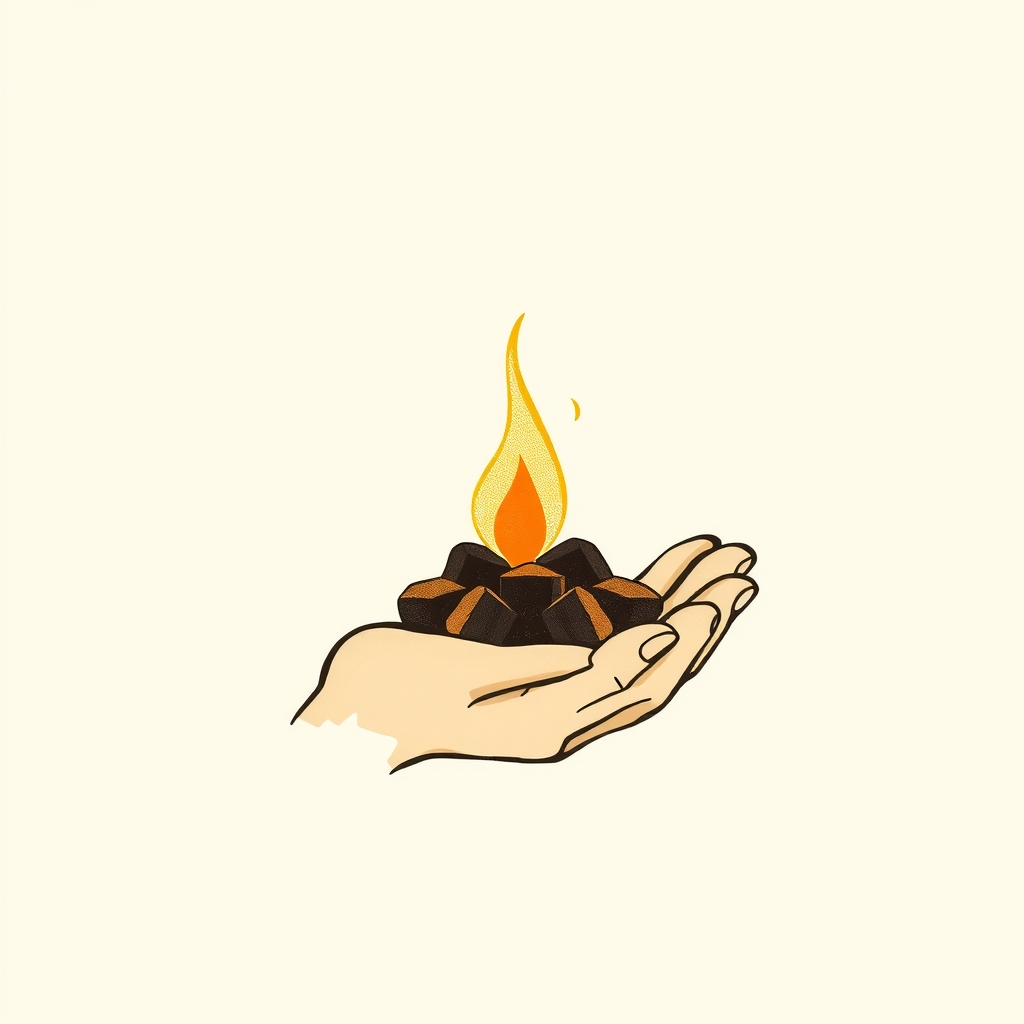
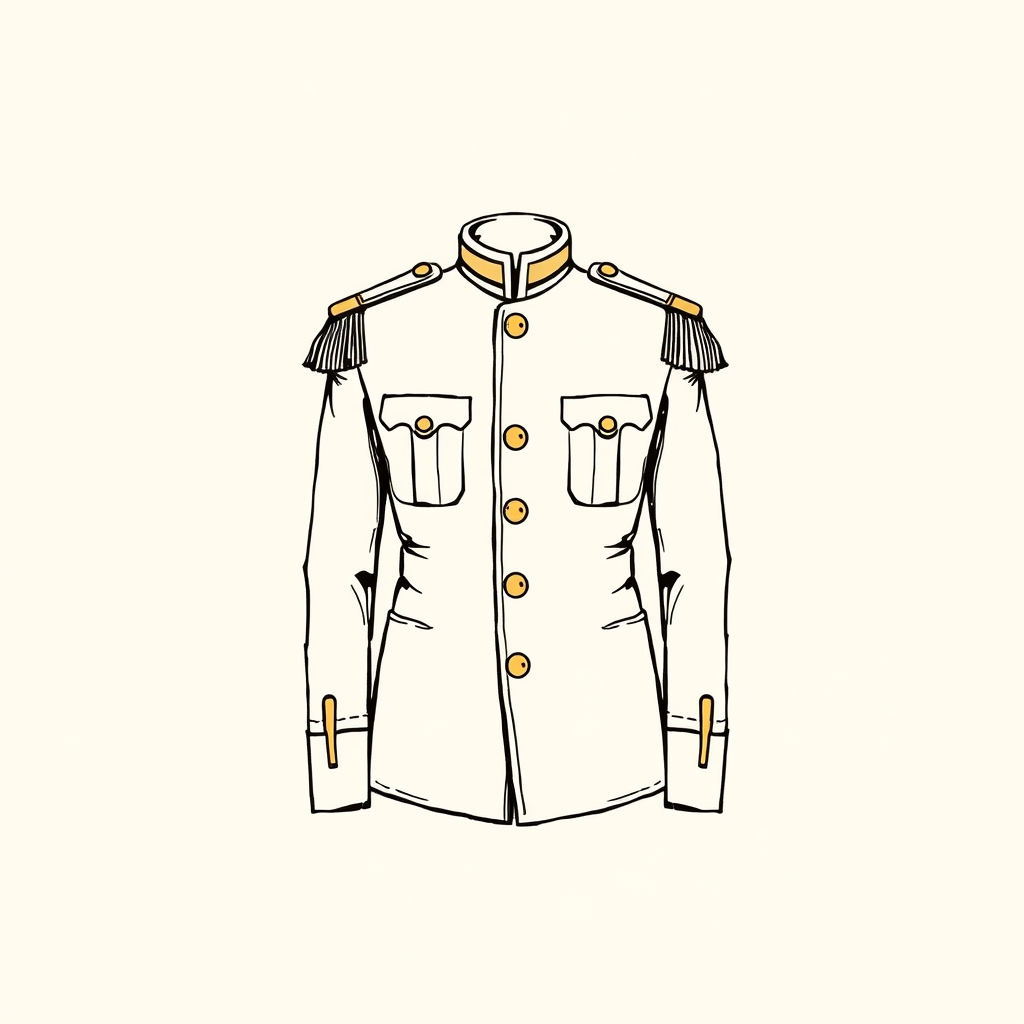
He is depicted carrying burning coals in his hand, or walking barefoot on glowing embers; sometimes in military attire, because he was the son of the prefect of Rome.
Sources
References to the Acta Sanctorum and the works of Abbé Pêcheur on the diocese of Soissons.
Cf. Acta Sanctorum , and Annales du diocèse de Soissons, by Abbé Pêcheur.
Iconography
Signs and attributes

Entities
Narrative network
The names, places, and concepts most present in the entry, weighted by centrality in the text.
The supernatural in their life
The miracles of Saint Tiburtius
Frequently asked questions about Saint Tiburtius
Who was Saint Tiburtius?
Son of the prefect of Rome Chromatius, Tiburtius converted to Christianity under the influence of Saint Sebastian. After miraculously surviving the ordeal of the burning coals, he was beheaded for his faith in 286. His relics were later transferred to Soissons.
How is Saint Tiburtius depicted in Christian art?
In iconography, Saint Tiburtius is recognizable by: burning coals in the hand, walking barefoot on embers and military costume.
How did Saint Tiburtius die?
Saint Tiburtius suffered martyrdom for the Christian faith (3rd century).
What miracles are attributed to Saint Tiburtius?
2 miracles are attributed to this saint, notably: Healing, Mastery of the elements and Protection / deliverance.
Which saints were contemporaries of Saint Tiburtius?
Contemporaries include: Saint Irenaeus of Lyon, Saint Ausonius of Angoulême, Saint Firmin of Pamplona and Saint Baudilus.
Who are the relatives of Saint Tiburtius?
Relatives of Saint Tiburtius: Chromace (father).
Annexes & related entities
Structured data for exploration: events, miracles, quotes, places, attributes, patronages, and important entities cited in the text.
Key Events
- Conversion and baptism with his father Chromatius
- Miraculous healing of a man who fell from a floor
- Denunciation by the traitor Torquatus
- Endured the ordeal of burning coals without injury
- Beheading three miles from Rome
Quotes
-
I will walk there willingly, and these coals will be more pleasant to me than roses.
Response to Prefect Fabien