
Born in Wales in 480, Samson became an influential monk and bishop, founder of the see of Dol in Armorican Brittany. Renowned for his numerous miracles, including resurrections and exorcisms, he played a major political role with King Childebert. He died in 565, leaving behind a lineage of saintly disciples and a reputation as a thaumaturge.
Contemporaries

Figures and markers around the normalized period for this entry.
Guided reading
9 reading sections
S. SAMSON, BISHOP OF THE ANCIENT SEE OF DOL,
IN BRITTANY
Youth and formation
Born in 480 in Wales, Samson was entrusted to Abbot Iltut for his studies, where he early on manifested exceptional intellectual and spiritual gifts.
without having a child, despite their prayers, their alms, and their good works; God finally let them know that their vow was about to be fulfilled. In the year 480, a son was born to them, who was n amed Samson at the sacred font of baptism. His parents would spare nothing to raise him in the fear of God and in the faithful observance of His commandments.
At the age of five, already having an open mind, he showed them a very particular inclination for the sciences and asked to study. His father was initially reluctant, fearing that his son, having become a scholar, might become a cleric or a religious. But God, who had inspired such good inclinations in this young man, warned Ammon, through an angel, to support him. This excellent father obeyed, and, despite the tenderness he had for such a dear son, he resolved to make the sacrif ice. He too k him to Saint Iltut, abbot of a famous monastery in that country, who, having immediately recognized the beautiful qualities of this child's soul, received him with joy.
Samson was for ten years under the discipline of such a good master, and although at the end of this term he was only fifteen years old, he had made such extraordinary progress in the sciences that he equaled in doctrine the most skillful of his time. One should not be surprised by this, since the exercise of prayer was inseparable from his studies, and he learned more at the foot of the crucifix than in all the books of philosophy. One day, when he had encountered a great difficulty without being able to draw the true solution from either his master or his books, he had recourse to his ordinary refuge, joining to his prayers a rigorous fast and other humiliating austerities. On the third night, as he was in prayer, his whole room was filled with an extraordinary light, and, at the same time, he heard a voice telling him that "God had heard his vows, that not only had he obtained the clarification he wished for, but that, in the future, whatever grace he asked of heaven, it would be granted to him." This promise was realized through numerous miracles.
Monastic vocation and first miracles
Samson embraces religious life despite his father's initial reluctance and performs his first miracles, notably the healing of a schoolboy bitten by a snake.
One day, Saint Samson, still a schoolboy, went with his companions by the order of Saint Iltut to pull weeds from a field of wheat; as they were occupied with this work, a snake slipped under the robe of one of these young schoolboys, bit him on the leg, and infected him with its venom: the death of this child was imminent. Samson, remembering the promise he had received from heaven, began to pray, then, pouring holy oil and holy water on the wound, he drew the venom out drop by drop and restored the sick boy to health. Another time, he drove away by his word, from a newly sown field, a cloud of crows that had stopped there and were eating the grain that had been thrown, even though Saint Gildas, later abbot of Saint-Ruyer, and Saint Paul, later bishop of Léon, with all their efforts, had not been able to disperse them. And when he was bishop, he also purged the marshes near Dol of an infinity of wild geese which, by their cries, greatly disturbed the religious of the surrounding monasteries when they were in prayer or singing the divine offices.
When the young Samson had finished his studies, his father wanted to bring him back to raise him by his side and make him his support in the world; but the holy young man asked him with such insistence for permission
Samson was born in that part of South Wales, today known as Glamorganshire. This region was part of the country of the Données, and was on the borders of the Wanktes, who inhabited the province called Guest by the Britons, and presently known as Monmouthshire.
to become a religious, that Ammon, remembering the ancient remonstrances of the angel, dared not refuse his request, for fear of opposing the designs of God. Samson thus saw the fulfillment of his desire: he asked for the monastic habit from the holy abbot Iltut, who gave it to him with incredible joy, to the great satisfaction of all the religious of the monastery. He was no sooner clothed in these precious liveries of Jesus Christ, than, stripping himself completely of the old Adam, he renounced all the inclinations of the flesh, to follow only those of the spirit. As he redoubled his initial fervor, he became almost inimitable to his brothers in the practice of the rarest virtues. His life was a continuous prayer: he spent entire nights in it, and if he stole a few moments during the day, it was to apply himself to the study of the Holy Scriptures or to something else for the utility of the monastery. His abstinence was surprising. Since his religious profession, he never ate meat or fish, nor anything that had sensitive life: his fasting was so extraordinary that he sometimes spent an entire week without eating anything, and, throughout Lent, he usually only had three or four meals, rather to keep himself from dying than to try to live. He had no other bed than the earth: and even then, he most often slept standing up, leaning only against the wall. He valued chastity so much that this rare virtue was all his life the most beautiful ornament of his mind and body; and, to avoid what could have given the slightest blow to his modesty, he fled all kinds of relations with women, and if necessity or charity obliged him to speak to them, he wanted there to always be someone to accompany him.
God enhanced the virtues of his servant with miraculous signs. Saint Dubricius, bishop of Caerleon, having come to confer orders in the monastery, Samson received the order of the diaconate. During this ceremony, a white dove was seen on his head, which visibly made known to everyone the profusions of gr ace that the Holy Spirit was pouring into his heart at the moment when the holy prelate laid his hands on his forehead. This prodigy was renewed later, when he received the priesthood.
Trials and family conversions
After surviving a poisoning attempt by jealous monks, Samson converted his entire family to the religious life, including his father Ammon.
Such eminent virtues served greatly to increase the zeal of his brothers, who had good inclinations and sought their perfection: they were, on the contrary, only a subject of envy and hatred for the two nephews of Abbot Iltut, whose souls were perverted and whose morals were corrupt. They gave the Saint, in every encounter, signs of their aversion, and the excess of their passion did not allow them to conceal it. The Saint, who easily noticed it, was extremely afflicted by it, not that he feared the harm they could do to him, but he was inconsolable at the danger he saw them in of losing themselves. He looked upon himself as guilty of their sin, because he was the object and the occasion of it, and this sight pierced his heart with a continual pain, which led him to perform incredible penances and continual prayers, to obtain the conversion of these two wretches. But the more he sanctified himself on their account, the more their rage and jealousy grew.
The one of the two who was not a priest had the charge of apothecary of the house. This employment gave them the thought of poisoning the Saint, and they imagined that they would succeed by presenting him with some beverage. It was the practice in this house to give the religious, at certain times, the juice of some medicinal herbs, for the preservation of their health, and no one was permitted to abstain from it. These two wretches made a poisoned potion, composed of the sap of some deadly plants, the strength of which they tested on an animal to which they gave a few drops in milk, and the animal died on the spot. When Samson presented himself to drink, they gave him a cup full of this pernicious drink. The Saint noticed well that the beverage presented to him was very different from the others; but so as not to give his enemies cause to complain that he had suspected them lightly, and full of confidence in Him who said in the Gospel that those who had a lively faith would drink the most deadly beverages without them being able to harm them, he swallowed all that had been given to him, without feeling any harm, to the great astonishment of those who had prepared this poisoned cup for him. Samson, knowing well that it was to God alone that he was indebted for the preservation of his life, consecrated all its moments anew to His service to show Him his gratitude, and he thanked the apothecary in a manner so gentle and so honest that he won over this religious, much less wicked than the priest his brother, and touched him so much that he repented of his crime, and made every effort to bring his brother to reason, in which, however, he could not succeed, so much did envy possess the latter.
The following Sunday, Samson, performing the office of deacon at the holy altar, presented, according to custom, the chalice to this wicked priest. But this sacrilegious man had no sooner communicated than the demon took possession of him in that moment, and tormented him in a horrible and shameful manner; which caused so much fright to his brother that he publicly confessed their common crime. He promised to do penance for it for the rest of his days, and even offered to employ them entirely in the service of the Saint, to repair the evil he had wanted to do to him. The whole community, extremely surprised and afflicted, and Iltut at their head, begged Samson not to impute the crime of the two brothers to them. But Samson, far from having the slightest movement of indignation against anyone, was the most desolate of all, and complained affectionately to God that on his account He had punished his confrere so severely, and asked Him for forgiveness with incredible contrition, as if he had been guilty of all the evil that had been done. Such great goodness gave the religious the boldness to beg him to intercede with God for the deliverance of the possessed man, and to have the charity to go and see him. He did so with all possible tenderness, and the demon, unable to suffer the charitable care of a man who so heroically returned good for evil, left the religious, and left him safe and sound to Samson, as a trophy of the love of enemies, all the more glorious because, penitent for his fault, this religious no longer wished to abandon the Saint thereafter.
After Samson had exercised his office of deacon for two years, the same Saint Dubricius conferred upon him the order of priesthood, and there was again in this circumstance an apparition of a dove similar to the first. This holy dignity was for Samson a new motive to increase the rigors of his penitent life; and it was then that it seemed to him that the common rule of the monastery was not austere enough for him.
However, in the desire to lead a more hidden life, for the brilliance of his virtues and his miracles had already made him too famous in the country where he was, our holy religious asked Saint Iltut for permission to retire to another monastery, governed by Abbot Pyron, situated on an island quite remote in the sea. The latter granted it to him; but he did not stay there long, for, a few days after his arrival, a courier came to him from his father to announce to him that he was at the end and that he desired, that he even needed to see this dear son before dying.
Abbot Pyron commanded our Blessed one to go and pay his last respects to this good old man. He obeyed, and, receiving this order as having come from heaven, he left immediately with another religious from the same monastery who was given to him as a companion. As they were passing through a forest that they encountered on their way, the demon appeared to them in the figure of a woman who forgot nothing to shake their chastity. But seeing that all his efforts were useless, he discharged his anger on the companion of our Saint; he threw him to the ground, dragged him into the woods among the briars and thorns, and finally overwhelmed him with a thousand blows. Samson, unable to see this insult of Satan without horror, performed a double miracle with a single action; for, having recourse to his ordinary weapons, prayer and the sign of the cross, he put the demon to flight and healed his companion of his wounds; and even, in restoring his former strength, he also gave him back the courage to continue their journey.
They finally arrived at the dwelling of Ammon. As soon as this illustrious old man caught sight of his son, he felt such great joy and took such confidence in his virtue and his merits that he placed his whole conscience in his hands and made his confession to him as if to die. Samson had no less consolation, for his part, to see the good sentiments of his father; and through the fervent prayers he made to God in his favor, he obtained for him the remission of all his sins and the perfect healing of his illness. The old man was so grateful for this double benefit that, wishing to consecrate to the service of God this life which he held only by a miracle of heaven, he resolved to become a religious with five of his sons, brothers of Samson, who considered themselves happy to take the path of their father. His wife, who had consented to this pious vocation, followed the same route; she also became a religious in a monastery for women, where she spent the rest of her days in holiness. Thus, this whole noble family generously separated themselves from the world to go and seek with more assurance, in solitude, the sole object of their love and their desires. They still had a daughter; she found this state too rigorous for her and refused to embrace it. Our Saint, unable to do anything else, contented himself with recommending her to his relatives to take care of her and preserve her in modesty and innocence. He likewise converted Umbrafel, his uncle, and his aunt Asfrelle, who followed in everything the example of Ammon and Anne.
Mission in Ireland and eremitic life
Having become abbot, he stayed in Ireland before retiring to a cave near the Severn to practice extreme asceticism.
Saint Samson, after having given thanks to God for such a beautiful conquest, returned to his island with a satisfaction that cannot be expressed. But his joy was soon changed into sadness by the death of Abbot Pyron, which occurred shortly after his return. This pain became even more acute when he learned that all the religious had set their eyes on him to make him their abbot in place of the one they had just lost. He did everything he could to defend himself against it; but, finally, he was forced to bow his head and submit his shoulders to this yoke. He conducted himself in this office with all the zeal, all the prudence, and all the charity that one could desire in a worthy superior. He also always had an admirable love for the poor; he expressly forbade ever turning any away. One day, he had ordered that all the honey from the hives be given away, there being nothing else in the house; the next day they were found to be fuller than before, so pleasing was this charity to God. However, as his heart always aspired to solitude, after having governed his abbey for about eighteen months, he thought of ways to abandon it. Divine Providence led at that time into his house some Scottish religious who were returning from Rome to their country. Samson, conversing with them, recognized great treasures of science and virtue in his guests, and noticed that they were incomparably more versed in Holy Scripture and theology than all those he had known until then; so that, hoping to profit greatly from their school, he obtained permission from Saint Dubricius to follow them to Ireland. He remained there for some time with them in the capacity of a discip le, less learned, in truth, but much holier than his masters; and the gift of miracles, which God gave him at that time with more fullness than before, made him famous throughout all Hibernia.
The honors he received there were the cause of his stay in that country becoming unbearable to his humility; and his masters, no longer being able to teach him anything, allowed him to return to his monastery. A ship ready to set sail gave him the opportunity, and they were only waiting for him to put to sea. They urged him, and even threatened to leave without him if he delayed for another moment. "Go," the Saint then said to them, "leave when you wish; I still have business here for a whole day; but tomorrow without fail we shall make the journey together." They left him on land and set sail. Scarcely had they departed when some religious came to find Samson and begged him to be willing to deliver their abbot, who was possessed by the devil. The Saint, who had predicted that he still had this business to finish on the island, went immediately to the monastery of these religious, which was not far from the port. He said his prayer and delivered the demoniac, who was so grateful that he gave his abbey to Samson, submitted it to him, and resolved never to abandon his liberator. The Saint, after having exhorted the religious of this house to live in accordance with their rules and to always strive for the greatest perfection, promised them to soon send them a superior in place of the one he had just healed and whom he had allowed to follow him. Returning then to the place from which the ship had departed the previous day, he found it still there, because a gust of wind had forced it to put back. He embarked as he had predicted; as soon as he was on board, they had a favorable wind, and Samson arrived happily at his monastery at the end of three days.
It was a great subject of joy for him to learn that his father and his uncle were the two most regular and perfect religious of his community, and more particularly still Umbrafel, his uncle; which obliged him to send him as abbot to the monastery in Ireland, which had been given to him, and where he had promised to choose one of his religious to govern it. Ammon accompanied his brother there by the command of his son, whatever desire he showed to follow the latter everywhere. But Samson, without having any regard for natural feelings, made his uncle and his father depart in his presence, to go where he judged they were called by God. He then took the resolution to retire into some desert, with four of the most fervent and perfect of his religious, and for this purpose crossed to the mainland, despite whatever efforts his community could make to retain him.
Having advanced a great deal, while going back along the banks of the Severn, he finally discovered a place such as he wished. It was a cave hidden at the bottom of a very thick forest, removed from the commerce of the world, and nevertheless not far from the ruins of an old castle. He established his four religious in these ruins. There was no path that led from the castle to the cave where he retired, and where he forbade his disciples to come and find him. Persuading himself then that he had done nothing until then, he said with the Prophet: "It is now that I am going to begin in earnest." What is said of his abstinence is almost unbelievable, for it is asserted that he fasted regularly for entire weeks without taking any food, and that on Sunday he ate the fourth part of a loaf of bread that was given to him every month. Prayer, contemplation, and the reading of Holy Scripture were all his exercises; he only left his cave on Sunday to go and celebrate Mass in the oratory that his religious had built in the place of their dwelling, where he gave them communion and exhorted them to perfection; after which he would retire through the woods into his cave, without the people who came to his Mass being able to know what had become of him.
Episcopal Consecration
Called by a synod, Samson is consecrated bishop following a mystical vision involving the apostles Peter, James, and John.
This way of life pleased Samson infinitely; but the more he hid himself, the greater his fame became in the surrounding areas, and the more people desired to know such an extraordinary man. Someone became so intent on observing and following him that he finally discovered the cave where he retreated. The bishop of the diocese, holding a synod a few leagues from the place where the holy anchorites lived, heard of their admirable life, and especially of the surprising conduct of their superior. The account given to the assembly made everyone want to see and know him; and the man who had discovered the place of his retreat offered to serve as a guide to those who wished to be sent to him. Some ecclesiastics were deputed, who brought him to the synod, where everyone showed him great honor, and where he appeared only with much confusion on his part. He was commanded to leave this wild life, where he was only good for himself, to resume the cenobitic life, where he would be useful to many; and, to remove any pretext for excuse, they made him abbot of a famous monastery that Saint Germain of Auxerre had formerly built in that region, and which at that time was without a superior. The assembly wished to hear him preach before he left, and he did so out of obedience, with much apparent simplicity, but at heart with such strength, such zeal, such vivid penetration, and such a judicious use of the words of Holy Scripture, that the least sensitive were touched, and all judged that such a great light should be drawn from the obscurity of the cloister to be placed in a more eminent position.
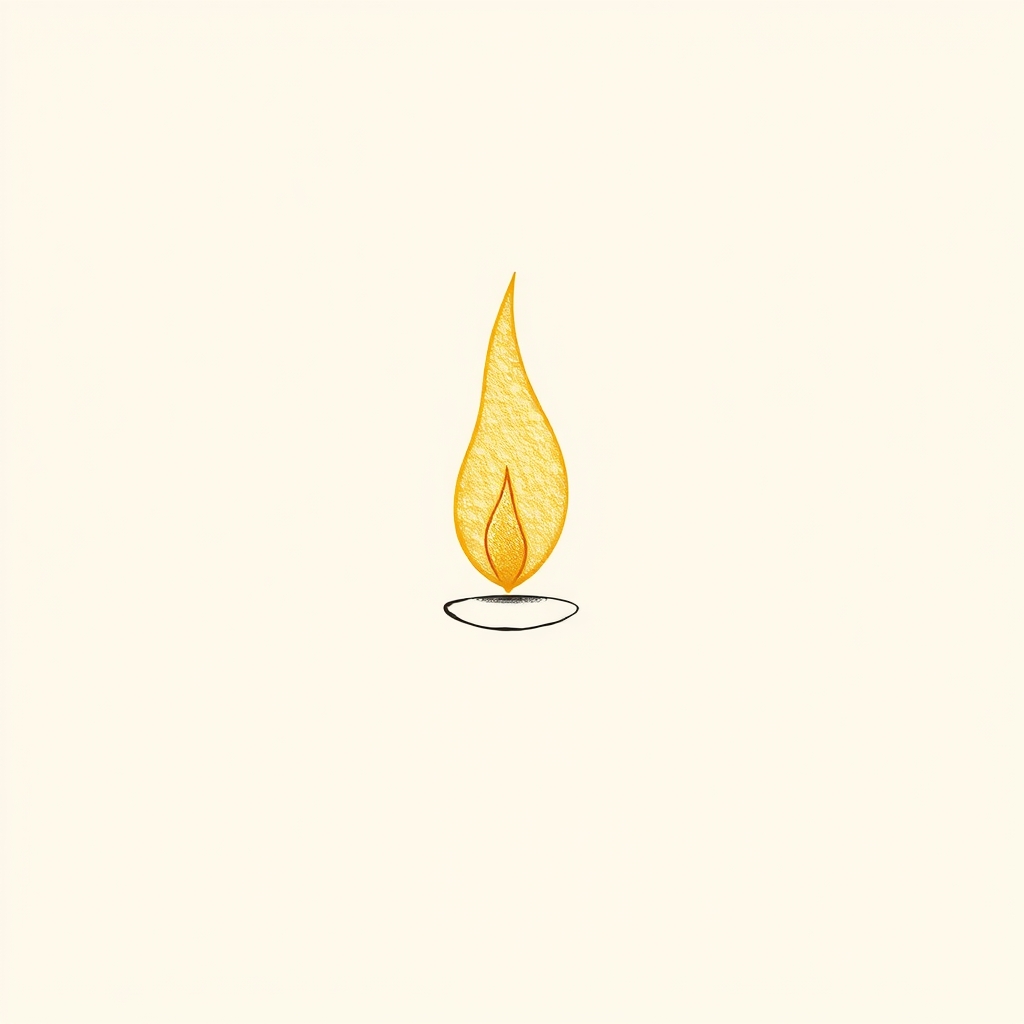
Shortly after the holding of this synod, three bishops of the province gathered at Samson's monastery to ordain a bishop whose see is not marked. The writer of the Saint's life says in this regard that the custom of the churches of Cambria was that one never consecrated a bishop alone; and, as it was necessary, according to the canons, for three bishops to ordain a new one, these bishops of Cambria always ordained two assistant bishops as well, along with the one who was to fill the vacant see, so that there were always as many bishops ordained as there were to ordain them. Two subjects had already been chosen who were to receive the laying on of hands, and it was still unknown who the third would be, because the prelates had postponed his nomination until the time of their assembly, after they had conferred about it. The eve of the day they were to make their choice, Samson, spending the night in prayer as was his custom, had an admirable vision. It seemed to him that in the midst of an assembly of people all dressed in white and shining like stars, three prelates of radiant majesty, vested in episcopal ornaments, urged him to enter the church with them; that he had taken the liberty of respectfully asking them who they were, and that he had been answered that one of them was Peter, prince of the Apostles; the second, James, brother of the Lord; and the third, John, his beloved disciple, sent by God to consecrate him bishop; which they then did with the ordinary ceremonies; after which everything disappeared. Saint Dubricius, on that same night, was warned by an angel that God had chosen Samson to be the third of those who were to be consecrated. Samson was therefore elected to be the third and received the laying on of hands with the other two; but a white, luminous dove, visible to all those present, appeared again on his head when he was made to sit on the throne, and, resting quietly upon him, it did not fly away, despite any noise or movement made until the end of the ceremony. While he celebrated the holy sacrifice of the Mass, all those present saw flames of fire coming out of his mouth, his ears, and his nostrils, and his head surrounded by rays like the sun; and it was thereafter a fairly ordinary favor for him to see angels at his sides, who served him at the altar.
Mission in Armorica and the foundation of Dol
Guided by an angel, he crosses the sea to Armorica where he founds the monastery of Dol after healing the family of a local lord named Privatus.
The role of auxiliary bishop was not enough for the immense zeal of Samson, although it was already too much for his humility: God destined him for a more significant ministry. A few years after his consecration, on an Easter night, an angel warned him that he must cross the sea and go to France, into Armorica, to govern the flock that God had destined for him. Before leaving, Samson went to visit his mother, his aunt, and his other relatives; from there, he first went to evangelize a country beyond the Severn, where idolatry still reigned.
One day, as Samson was traveling with his brothers, he found it necessary to pass near a village whose inhabitants were celebrating, in the presence of the count of the region, a pagan festival in honor of an ancient idol they had preserved, and whose worship consisted of games, dances, feasts, and all sorts of dissoluteness. It is on such occasions that superstition is stubborn, because sensuality sustains it; and the festivals where the senses find their satisfaction are always the best guarded. A young man who was driving a chariot fell and died on the spot from his fall. Saint Samson, having had the body brought to him, remained in prayer for two hours and restored him to life. The resurrection of this young man touched all those present so deeply that they themselves helped to overthrow their idol and renounced their sensual festivals forever.
Saint Samson delivered other villagers from the vicinity of a very venomous serpent, in whose cave he wished to dwell, and built a monastery nearby. By means of this miracle and several others that served to confirm his discourses, he sanctified all these regions. His companions assisted him in his apostolic functions, each in their own way. He spent a few years on this mission, where the fruit he bore kept him longer than he had intended. But finally, wishing to cross into Armorica, where he had been commanded to go, he had his father Ammon come from Hibernia and established him as abbot of the monastery he had built near the place from which he had driven the serpent, and where the writer of his life says he saw the sign of the cross carved on a very hard stone by the Saint himself. He thus wished to make the Savior of the world triumph and to have Him revered in the place that had served as a base for an idol that the superstition of these peoples had worshipped there.
His final resolution being taken, he exhorted his father to spend the little that remained of his life holily, his religious to remember the salutary advice he had given them, and the people to persevere in the purity of the faith he had taught them, without ever returning to their superstitions. After which, followed by a great number of holy religious who would not leave him, by Saint Magloire and Saint Malo, he embarked and happily arrived at the most eastern part of the northern coast of Armorican Brittany, at a small port then called Winiau, which is formed by the mouth of a river called the Petit-Gouyon.
Upon his landing, he met a lord of the place, named Privatus, who appeared very afflicted; he asked him the subject of his sadness. Privatus replied that his wife was covered with epilepsy and that his daughter was possessed by the devil; that this was what caused his pain. Saint Samson followed him into his house, and having seen these poor afflicted ones, he miraculously healed them both. Privatus, wishing to acknowledge such an extraordinary grace, offered the holy bishop a place on his lands to establish his dwelling. Saint Samson accepted his offer and had a monastery built which was called Dol, which means pain, because of the pitiful state in which this family was at the arrival of the Saint. Others claim that the country bore the name of Dol before the arrival of the Saint: this word Dol, in Cambrian Breton, means low and fertile land, which suits this region very well, it is said. An entire city has been built there which bears the same name and which was for some time an episcopal see, as we shall say later. Shortly after, Saint Samson also had a convent built at Landtmeur (Lanmeur), of which he made his nephew, Saint Magloire , the first abbot.
Political role and recognition of the see
Samson intervenes with King Childebert to restore Prince Judual and obtains the erection of Dol into a bishopric by Pope Pelagius I.
However, furious troubles arose in Brittany due to the ambition and tyranny of Canao, who himself killed King Jonas by surprise one day while he was hunting. Saint Samson, extremely irritated by such a horrible murder, had no difficulty in yielding to the prayers of the leaders of the country, who implored him to make a journey to Paris to seek help from Childebert, King of France, i n favor of Judual, son of the deceased and legitimate heir to his crown. Success met their desire. The holy bishop made his journey with all manner of good fortune, around the year 554. A great number of miracles that the Saint performed along the way and at court, among others the death of a very venomous serpent, and above all the healing of a lord possessed by the devil, earned him a very eager welcome from King Childebert. This prince did not believe he should restore the young Judual to his father's states so quickly, perhaps because of the difficulties of the undertaking, and also because Queen Ultrogotha opposed it for reasons that it is not appropriate to describe here. But, full of veneration for Samson, whose virtues and miracles he witnessed, he gave him lands on the Risle river, between Brionne and Pont-Audemer, in Normandy. Our Saint built the monastery of Pentalle there, which he submitted, with the permission of Childebert, to that of Dol. Once, while going to this monastery, Samson passed by a country house of Saint Germain, Bishop of Paris, who was there at the time of the grape harvest. There he obtained a fountain of living water that Saint Germain had not thought to ask of God. The two Saints then, it is said, formed an association of their monasteries, on the condition that one of the two would provide wine to the other, who had none, and that the latter, who abounded in bees, would give the other community honey and wax.
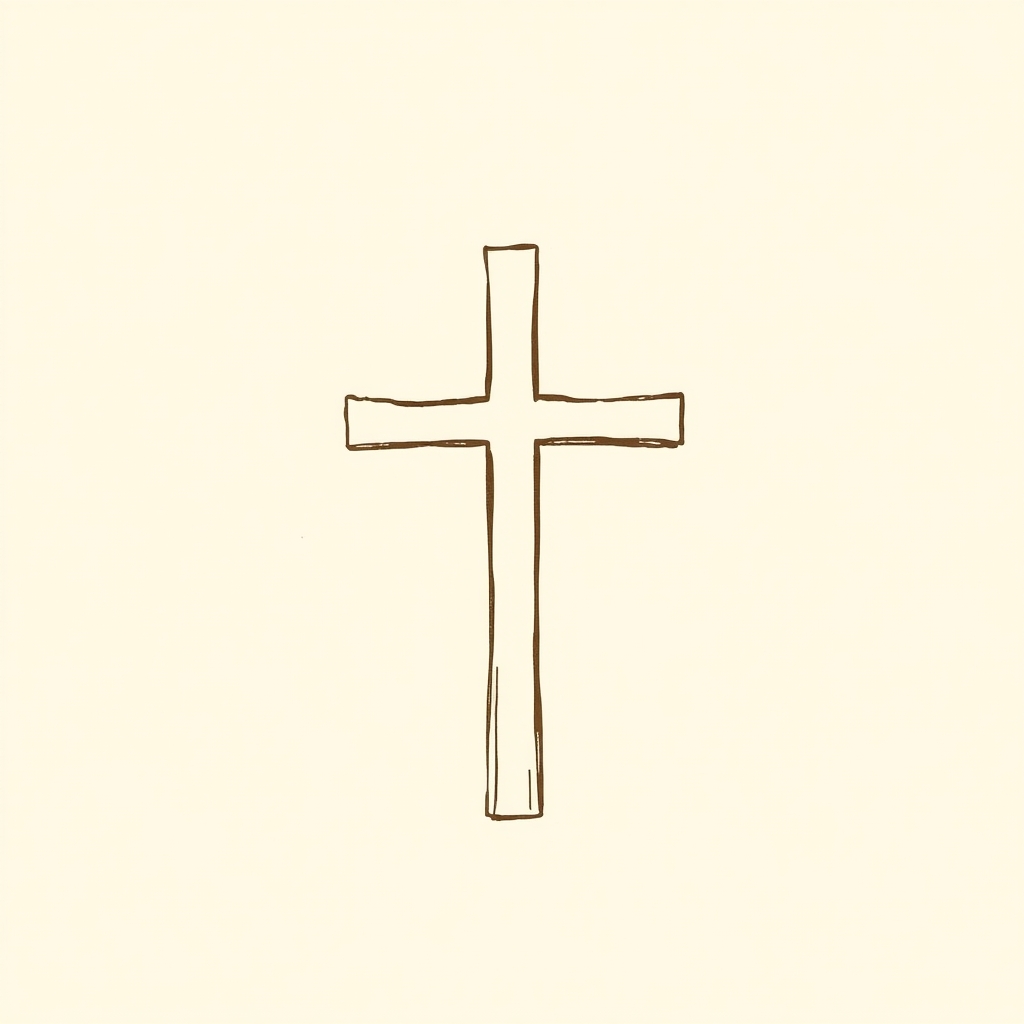
Our Saint finally obtained that Judual should return to the possession of his states; this prince, in gratitude, made considerable gifts to the monastery of Dol; at his prayer and that of Childebert, Pope Pelag ius I erected t his monastery into a bishopric, all the bishops of Brittany having also expressed the desire, and saying that they would willingly receive this holy prelate into their body. The Sovereign Pontiff sent the Pallium to Saint Samson, who received it barefoot and prostrate before the altar. Since that time, the prelates who succeeded him in this see long claimed, against the archbishops of Tours, the right of metropolitan and the use of the Pallium; but finally Innocent III caused them to forfeit their claims, by declaring expressly that Saint Samson had been simply Bishop of Dol, although he had received permission to use the ornaments of that dignity. And it is for this reason that his successors still kept the cross before the suppression of this see, that they had it carried before them in their diocese, and that they used it to crest their coats of arms.
Final years and death
He participated in the Council of Paris in 557 and died in 565 after a life of miracles and pastoral rigor, designating Magloire to succeed him.
But let us return to our illustrious Saint: seeing himself once again engaged in the office of pastor, he employed all his care to watch over the flock of Jesus Christ that was entrusted to him. He visited his entire diocese himself once a year, and every year, on the first day of November, he assembled his provincial Synod, where he worked with incredible zeal for the proper regulation of his bishopric, for the reformation of the morals of the clergy and the people, for the restoration and ornamentation of churches and hospitals, and took care to fill the parishes with ecclesiastics who were learned and virtuous.
It was this same zeal for the house of God that caused him to travel again to Paris, to attend t he third Council that was convened in that famous city in 557; he showed his profound humility there: for he did not wish to subscribe among the archbishops, as he could have claimed; but he signed only as the penultimate of all the bishops, in these terms: "Samson, a sinner, I have signed." This same humility made him refuse to go and stay in an apartment that the king had had prepared for him in his palace, preferring to retire to the monastery built by Saint Germain, under the name of Saint-Vincent, and of which we have spoken above. Our Saint was, at that time, quite broken by age: he was traveling in a chariot; one of the wheels having broken, in the Beauce, in a place where there was neither a wheelwright, nor any workman, nor any wood, those who accompanied him were dismayed; but Samson made the sign of the cross on the wheel which was immediately restored. Childebert, informed of the miracle, wanted a monastery to be built in that place: our Saint called it Rotmou and placed it under the dependence of the abbey of Dol. While returning to his bishopric, he performed continuous miracles all along the way; among others, he made a snake that had entered a man's body during his sleep come out. Having arrived at the city of Dol, he pulled two dying men from the gates of death; he delivered eight demoniacs and obtained fertility for several sterile women; finally, he restored sight to a lady of quality who had lost it in punishment for having entered his monastery in defiance of his prohibition. Such were the miracles of this great Saint, who spent the rest of his days, or rather all his old age, in the same fervor, the same prayers, the same fasts, the same vigils, and the same austerities that he had practiced in the greatest vigor of his age, and before he was raised to the prelacy.
But finally, God, wishing to reward his merits with an eternal crown, sent him an illness that let him know that the hour of his triumph was approaching. Then, he called his canons and his religious; he warned them of his passing, presented Saint Magloire to them as another Elisha, whom he left to them with the spirit of Elijah, so that they might elect him as his successor, and, after having given a most touching speech and received the last Sacraments from their hands with a devotion that drew tears from the eyes of all those present, he gave them his blessing and then rendered his spirit to his God, on July 28, in the year of Our Lord 565.
Three holy prelates honored his funeral rites: Saint Brieuc, who gave his name to his city and his bishopric; Saint Gurval, bishop of Saint-Malo, and Saint Ruelin, bishop of Tréguier. The angels also wished to attend his funeral: for, while the ceremony of his burial was being performed, an extraordinary light appeared over his tomb, and a concert was heard whose harmony was so charming that everyone judged well that it came from heaven.
Heritage and Cult
The text lists his numerous disciples and traces the eventful history of his relics between Dol, Paris, and Orléans.
The principal disciples of Samson were Saint Magloire, his deacon and successor at Dol; Saint Budoc, successor to Saint Magloire; Saint Similien, abbot of the monastery of Taurac; Saint Ethbin and Saint Guénolé the Younger, both monks of the same monastery of Taurac; the famous Saint Méen, founder of that of Gaël; in addition to the father, uncle, mother, aunt, brothers, and cousins of the Saint, and several great men in France, in both Britains, who carried the name and glory of Samson everywhere.
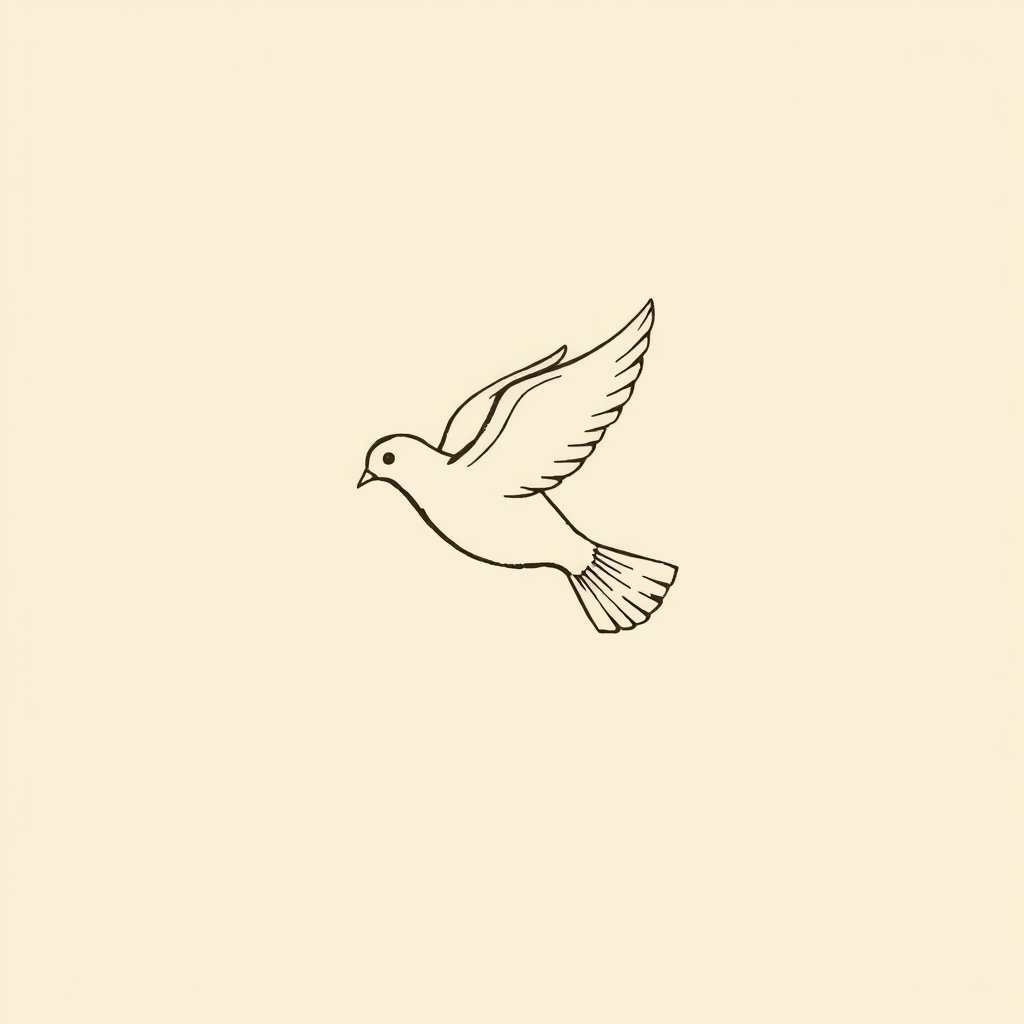
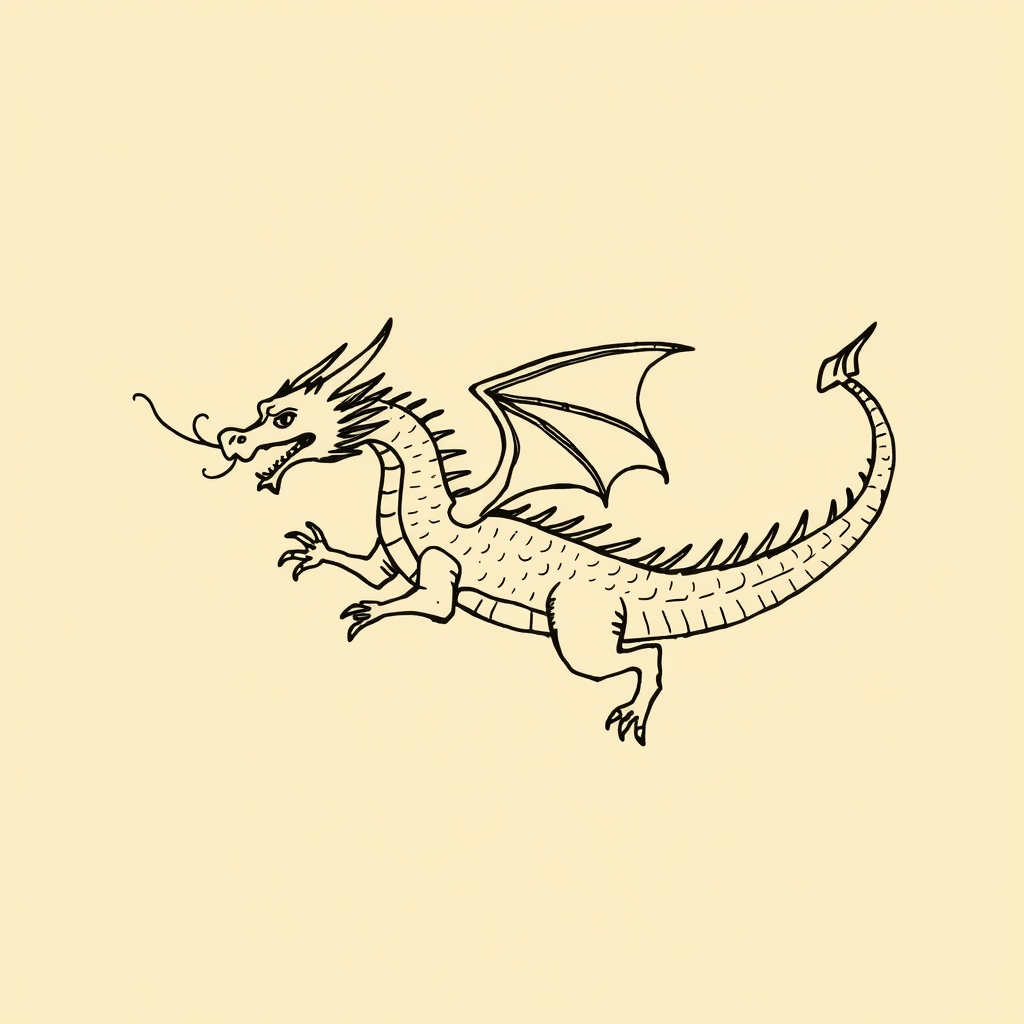
He is represented sometimes with a dove hovering over his head, and sometimes driving a dragon before him.
## CULT AND RELICS.
The name of Samson is the first in the English litanies of the 8th century, among the holy confessors of the nation. His feast is marked with nine lessons in the ancient breviaries of Dol, Léon, and Saint-Brieuc, on July 28, and with twelve in that of the abbey of Saint-Méen. His memory is also celebrated in the breviaries of Nantes, Quimper, Rennes, Tréguier, Orléans, and in the Roman martyrologies of Ussard and others. The cathedral church, today the parish of Dol, bears the name of Saint-Samson, as do several parish churches in other dioceses. His body was removed from that of Dol during the time of the Normans and taken to Paris, under King Lothair, by Salvator, bishop of the ancient see of Aleth, along with several other holy bodies, and later a portion was brought back to Brittany. The Church of Dol possessed a femur, a tibia, some fragments of other bones, and some vertebrae of its patron saint. These holy relics were visited and transferred into a new reliquary on December 24, 1579, by the diocesan bishop named Charles d'Epinal. At the time of the Revolution, they were placed next to the high altar of the cathedral, in a very beautiful and very large reliquary; but they are now destroyed. As for the rest of the body of Saint Samson, left in Paris, it was divided between the church of Saint-Barthélemy and the city of Orléans. In the latter, a church was built in honor of the holy bishop, which was occupied by the Jesuits until their suppression. They did not possess the relics of Saint Samson; they had been so well hidden during the time of the Protestant ravages in the 16th century that they could never be found. Perhaps they were the object of the fury of those impious men. The bones, preserved in Paris, were, in the end, in the church of Saint-Magloire; they are now found in that of Saint-Jacques du Haut-Pas. The reliquary that contained these relics having been opened on January 19, 1647, the quantity of bones expressed in the official report was found therein, with this inscription: "Here is the greater part of the body of Saint Samson."
We have corrected and completed Father Giry for this biography with the *Vies des Saints de Bretagne* by Dom Lottman.
Iconography
Signs and attributes
Entities
Narrative network
The names, places, and concepts most present in the entry, weighted by centrality in the text.
The supernatural in their life
The miracles of Saint Samson of Dol
Frequently asked questions about Saint Samson of Dol
Who was Saint Samson of Dol?
Born in Wales in 480, Samson became an influential monk and bishop, founder of the see of Dol in Armorican Brittany. Renowned for his numerous miracles, including resurrections and exorcisms, he played a major political role with King Childebert. He died in 565, leaving behind a lineage of saintly disciples and a reputation as a thaumaturge.
What is Saint Samson of Dol the patron saint of?
Patronage of Saint Samson of Dol: Diocese of Dol.
What is Saint Samson of Dol invoked for?
Saint Samson of Dol is invoked for: fertility for sterile women and deliverance of the possessed.
How is Saint Samson of Dol depicted in Christian art?
In iconography, Saint Samson of Dol is recognizable by: dove hovering over his head, chasing a dragon, cross and flames issuing from the mouth (during Mass).
What miracles are attributed to Saint Samson of Dol?
6 miracles are attributed to this saint, notably: Resurrection, Healing, Sign / wonder and Multiplication / provision.
Which saints were contemporaries of Saint Samson of Dol?
Contemporaries include: Saint Remigius (Apostle of the Franks), Saint Antide of Besançon, Saint Eugene of Carthage and Saint Nicaise of Reims.
When did Saint Samson of Dol die?
Saint Samson of Dol died around 565.
Who are the relatives of Saint Samson of Dol?
Relatives of Saint Samson of Dol: Ammon (father), Anne (mother), Umbrafel (uncle), Asfrelle (aunt) and Saint Magloire (nephew).
Annexes & related entities
Structured data for exploration: events, miracles, quotes, places, attributes, patronages, and important entities cited in the text.
Key Events
- Born in 480 in Glamorganshire
- Education at the monastery of Saint Illtud
- Ordination as deacon then priest by Saint Dubricius
- Retreat at Abbot Pyron's monastery
- Mission in Ireland
- Episcopal consecration (auxiliary bishop)
- Departure for Armorica (Brittany)
- Foundation of the monastery of Dol
- Journey to the court of Childebert in Paris in 554
- Participation in the third Council of Paris in 557
Quotes
-
Samson, a sinner, I have signed
Acts of the Third Council of Paris