
Blessed Nevolon
A 13th-century shoemaker from Faenza, Nevolon converted after a serious illness and dedicated himself to the poor. After pilgrimages to Rome and Compostela and the conversion of his wife, he spent his final days in the Camaldolese Order. His cult was officially approved by Pius VII in 1817.
Contemporaries

Figures and markers around the normalized period for this entry.
Guided reading
4 reading sections
OF THE CAMALDOLESE ORDER (1280).
Youth and conversion
Nevolon, a shoemaker in Faenza, led a dissipated youth before a serious illness drove him to piety and charity toward the needy.
Nevolon was born in Fae nza, a fortified cit y in Ro magna, and took up the trade of a shoemaker. His youth was stormy, and it was necessary, in order to bring him back to the path of good, from which he had long since turned away,
VIES DES SAINTS. — TOME IX. 5 for heaven to send him a very serious illness. Upon returning to health, he distributed his goods to the poor and dedicated himself to the relief of widows, orphans, and the indigent. To these works of mercy he added the austerities of the cloistered life that he was soon to embrace.
Pilgrimages and married life
After pilgrimages to Rome and Compostela, he converted his wife through the miracle of the multiplication of loaves in their cupboard.
Pilgrimages were very much in use in his country: our Blessed one undertook those to the tomb of the Apostles, in Rom e, and t o Saint James of Compostela, in Galici a. Hav ing returned to Faenza, he had much to suffer from the bad temper of his wife, who viewed with a jealous eye his great liberality and his devotion, which she called excessive. One day, a beggar came to knock at the door of our Blessed one, and the latter told his wife to give him a loaf of bread; she refused, protesting that there were none left in the cupboard. "For the love of Jesus Christ," replied Névolon, "give alms to this poor man." His wife, to rid herself of his importunities, opened the cupboard in spite. What was her surprise when she found a large quantity of loaves there! This miracle converted her; from then on, she accompanied her virtuous husband on his holy peregrinations and prepared herself in a Christian manner for death.
Monastic life and passing
Having become a widower, he joined the Camaldolese Order where he ended his days in 1259, his death being announced by the miraculous ringing of bells.
Having become a widower, Névolon distributed the goods bequeathed to him by his wife to the poor, the infirm, the widows, and the o rphans of Faenza and the surrounding lands, then he went to seclude himself in a convent of the Camaldolese Order. For a long time, he edified the brothers there through the practice of the most sublime virtues. Finally, overwhelmed by old age and bending under the weight of the good works of which his life had been but a rich tapestry, he died holily in Faenza on July 27, 1259. It is reported that the bells of the church in which he usually went to pray rang of their own accord to announce his passing.
Cult and sources
His body rests in the cathedral of Faenza and his cult was officially approved by the papacy in the 16th century.
His holy body was deposited in the cathedral of Faenza, where a marble monument was erected to him. On May 31, 1517, Pope Pius VI I approved his cult.
Acta Sanctorum . — Cf. the continuators of G odoscard.
Iconography
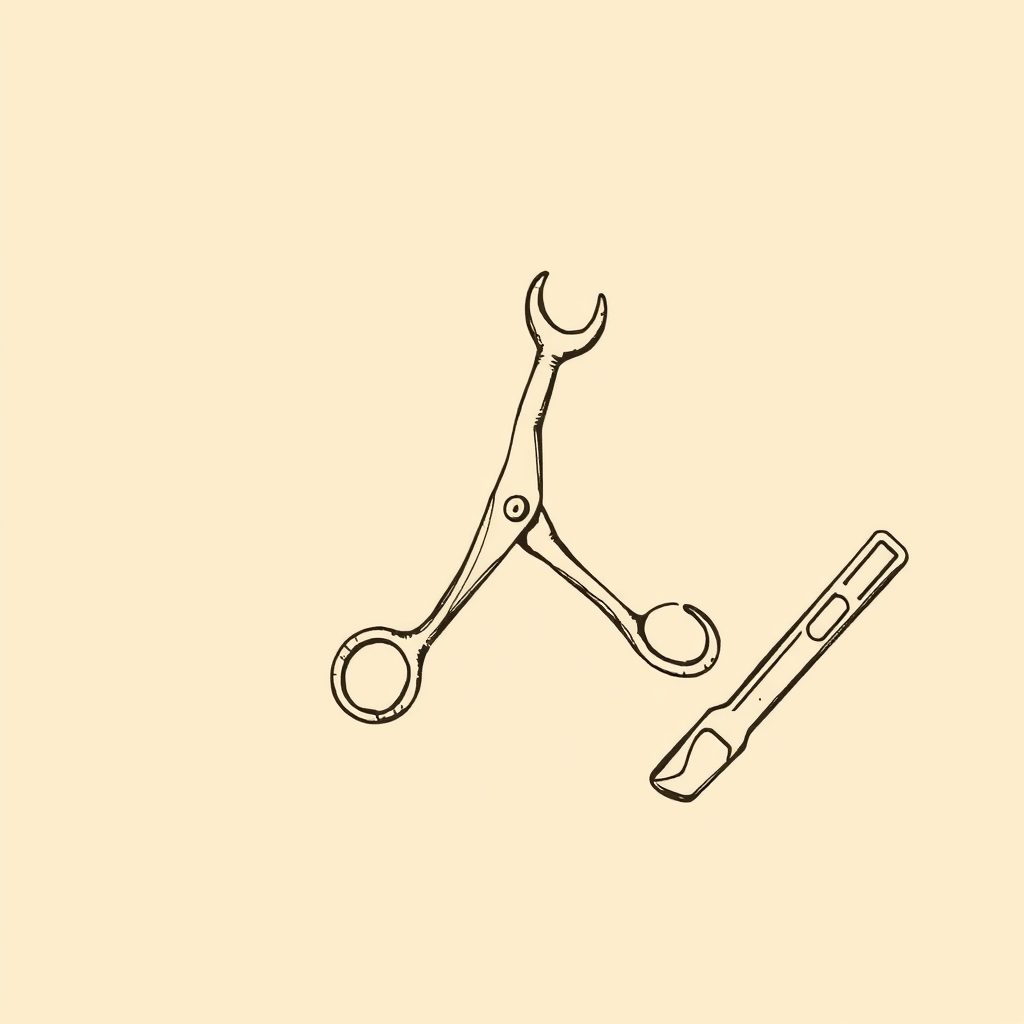
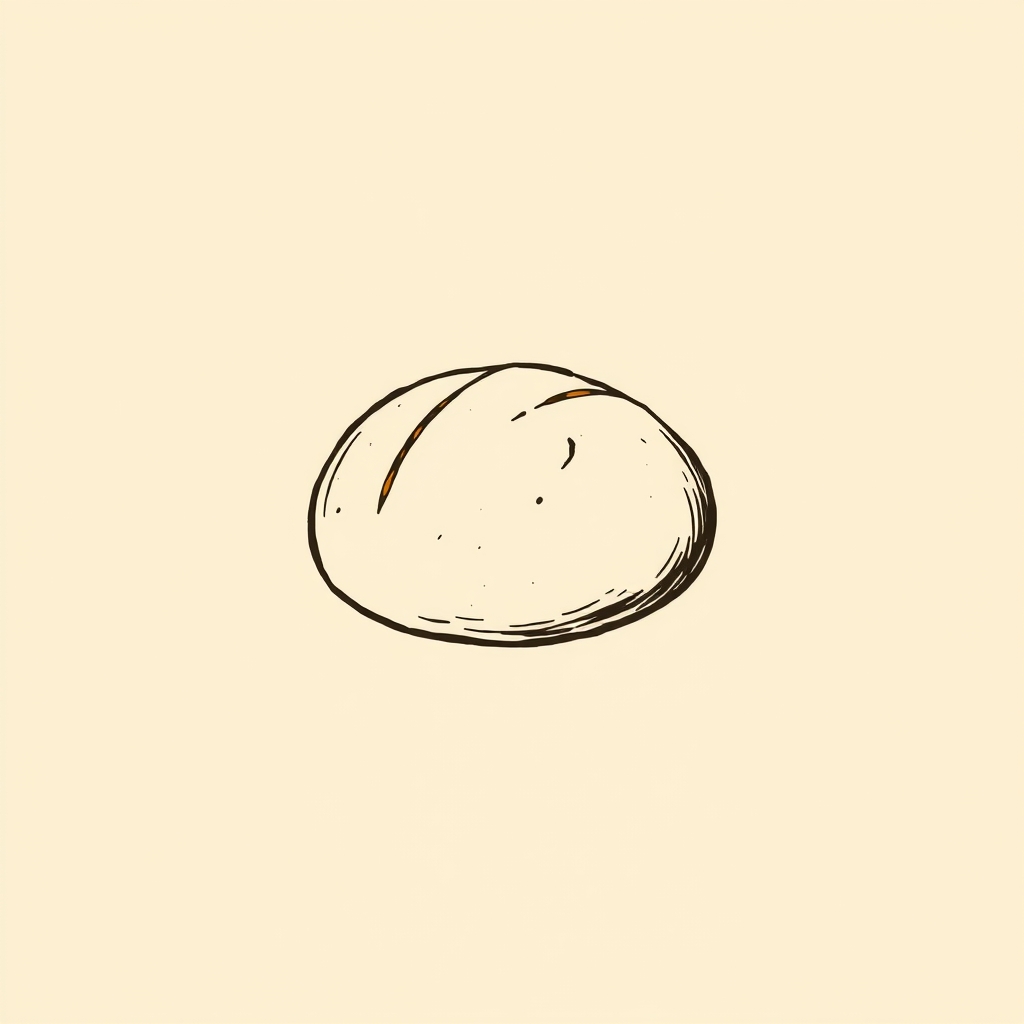
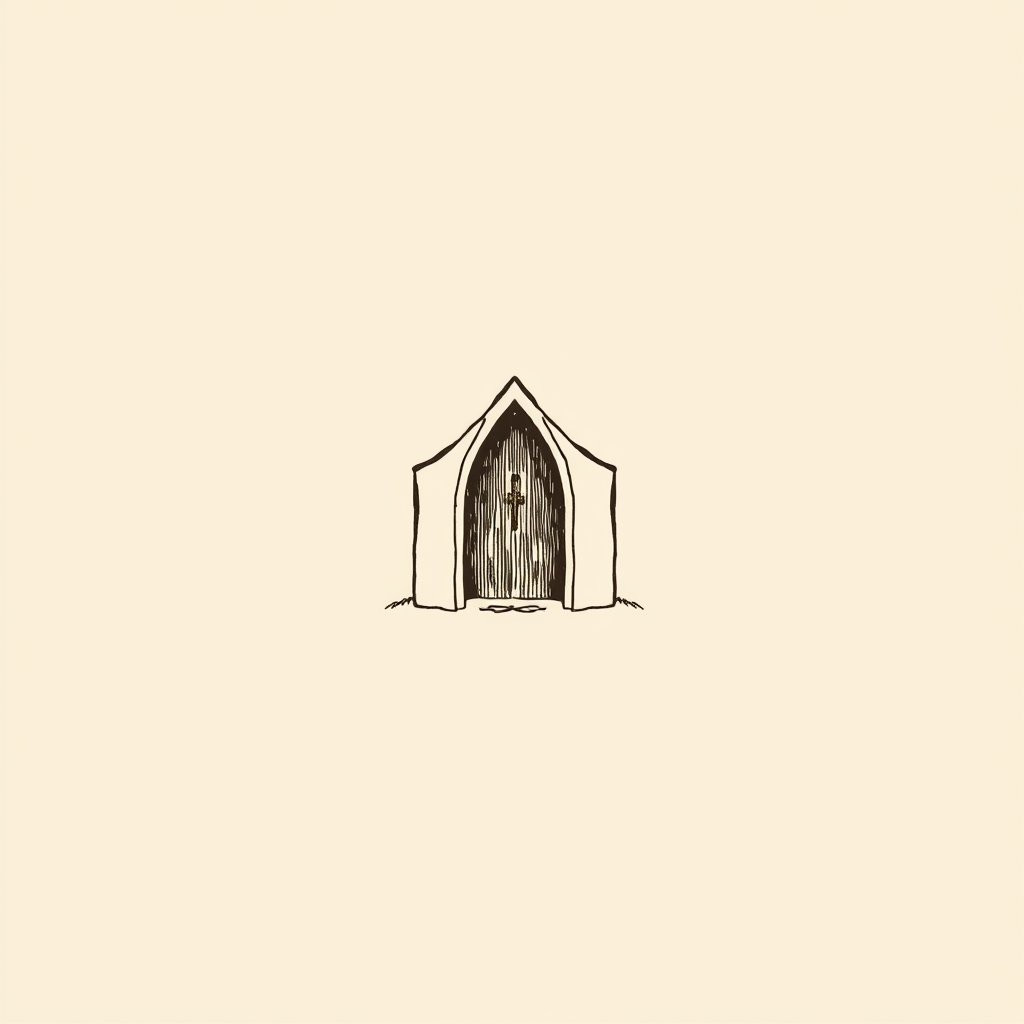
Signs and attributes
Entities
Narrative network
The names, places, and concepts most present in the entry, weighted by centrality in the text.
The supernatural in their life
The miracles of Blessed Nevolon
Frequently asked questions about Blessed Nevolon
Who was Blessed Nevolon?
A 13th-century shoemaker from Faenza, Nevolon converted after a serious illness and dedicated himself to the poor. After pilgrimages to Rome and Compostela and the conversion of his wife, he spent his final days in the Camaldolese Order. His cult was officially approved by Pius VII in 1817.
What is Blessed Nevolon the patron saint of?
Patronage of Blessed Nevolon: shoemakers.
How is Blessed Nevolon depicted in Christian art?
In iconography, Blessed Nevolon is recognizable by: shoemaker's tools, bread and Camaldolese habit.
What miracles are attributed to Blessed Nevolon?
2 miracles are attributed to this saint, notably: Multiplication / provision, Conversion and Sign / wonder.
Which saints were contemporaries of Blessed Nevolon?
Contemporaries include: Saint Anthony of Padua (Ferdinand), Saint Arthaud of Belley, Saint Thomas Aquinas and Saint Bernard of Clairvaux.
When did Blessed Nevolon die?
Blessed Nevolon died around 1259.
What are the other names of Blessed Nevolon?
Other forms of the name: Névoion.
Who are the relatives of Blessed Nevolon?
Relatives of Blessed Nevolon: Inconnu (wife).
Annexes & related entities
Structured data for exploration: events, miracles, quotes, places, attributes, patronages, and important entities cited in the text.
Key Events
- Stormy youth and conversion following a serious illness
- Pilgrimages to Rome and Santiago de Compostela
- Conversion of his wife following the miracle of the bread
- Entered the Camaldolese Order after his widowhood
- Death in Faenza and miraculous ringing of the bells
Quotes
-
For the love of Jesus Christ, give alms to this poor man
Source text