
Seventh Bishop of Troyes, Saint Urse succeeded Aurelian in 426. He died the same year during a pastoral visit to Queudes, exhausted by his labors or called by God. His relics were later transferred to the Cathedral of Troyes.
Contemporaries

Figures and markers around the normalized period for this entry.
Guided reading
4 reading sections
SAINT URSE OR SAINT OURS,
SEVENTH BISHOP OF TROYES AND CONFESSOR (426).
Accession to the See of Troyes
Saint Urse became the seventh bishop of Troyes, succeeding Aurelian in 426.
Saint Urse , commonly called Saint Ours, holds the seventh rank among the Troyes Pontiffs: he succeeded Aureli an, who died in 426.
Mission and visitation of the diocese
Upon his election, he undertook an exhaustive visitation of his diocese to administer the sacraments and preach.
Our Saint had barely taken possession of his see when he undertook the visitation of the diocese entrusted to his care. Like the good Shepherd who wishes to know his sheep and be known by them, he traveled through the parishes, sowing the word of God everywhere, distributing the graces of the Sacraments, and having the name of the Lord blessed.
Premature death and burial
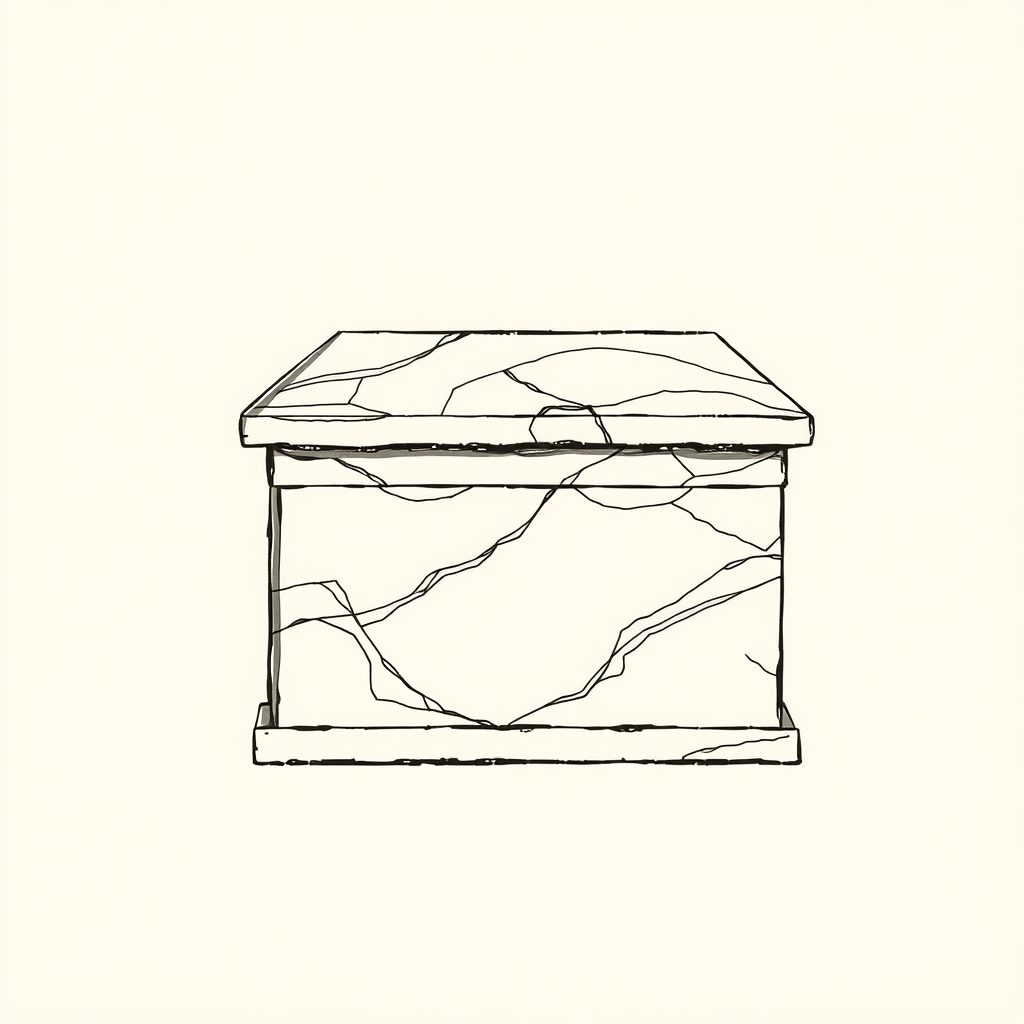
He died the very year of his election at Queudes during his pastoral tour and was interred in a marble sepulcher.
But, whether because, already bending under the weight of years and infirmities, he could not endure the prolonged fatigues of such laborious journeys, or because God wished to reward his zeal before the end of his labors, S aint Urse did not see his episcopal city again. He died the very year of his election, at Queudes (Cubita), near Sésanne, which, now in the diocese of Châlons-sur-Marne, was then under the jurisdiction of the bishops of Troyes. His body was enclosed in a richly ornamented marble sepulcher; it rested there until it was transporte d to T royes, where the cathedral chur ch and the collegiate churc h of Saint-Étienne possessed a considerable part of it before the Fre nch Revolution.
Cult and historical references
His relics were transferred to Troyes and his feast day set for July 26, according to local hagiographic sources.
Saint Urse was formerly mentioned in the divine office on July 26 of each year.
Life of the Saints of the diocese of Troyes, by Abbé Dete r.—Cf. Gallia c hristiana.
Iconography
Signs and attributes
Entities
Narrative network
The names, places, and concepts most present in the entry, weighted by centrality in the text.
Frequently asked questions about Saint Ursus (Urs)
Who was Saint Ursus (Urs)?
Seventh Bishop of Troyes, Saint Urse succeeded Aurelian in 426. He died the same year during a pastoral visit to Queudes, exhausted by his labors or called by God. His relics were later transferred to the Cathedral of Troyes.
What is Saint Ursus (Urs) the patron saint of?
Patronage of Saint Ursus (Urs): Diocese of Troyes.
How is Saint Ursus (Urs) depicted in Christian art?
In iconography, Saint Ursus (Urs) is recognizable by: marble sepulcher.
Which saints were contemporaries of Saint Ursus (Urs)?
Contemporaries include: Saint Augustine of Hippo, Saint Honoratus of Arles, Saint James of Tarentaise and Saint Jerome of Stridon.
When did Saint Ursus (Urs) die?
Saint Ursus (Urs) died around 500.
What are the other names of Saint Ursus (Urs)?
Other forms of the name: Ours and Ursus.
Annexes & related entities
Structured data for exploration: events, miracles, quotes, places, attributes, patronages, and important entities cited in the text.
Key Events
- Succession of Bishop Aurelian in 426
- Pastoral visit to the Diocese of Troyes
- Died in Queudes the same year as his election
- Translation of relics to Troyes