
A nobleman from Africa, Cucuphas traveled to Catalonia to bear witness to his faith during the persecution of Diocletian. After miraculously surviving lions and fire, he was beheaded in Girona in 306. His relics were later transferred to France, notably to the Abbey of Saint-Denis.
Contemporaries

Figures and markers around the normalized period for this entry.
Guided reading
4 reading sections
SAINT CUCUPHAS OF SCILLIUM,
MARTYR EXECUTED IN GIRONA, CATALONIA (306).
Origins and Vocation
Cucuphas, born noble in Scillium in Africa, studied in Caesarea of Mauretania before joining Barcelona to face the persecution of Diocletian.
Cucuphas was born to noble parents in a small town in Africa called Scilli um, and sometimes Scilitane. As he was pursuing his studies in Cae sarea of Mauretania, today Cherchell, on the northern coast of Africa, he heard from afar the noise of the persecution that was igniting in Catalonia, stirred up by the cruel Diocletian . Zealous for the honor of martyrdom, he threw himself onto a ship and reached the port of Ba rcelona. His alms, his preaching, and the great brilliance of his miracles soon signaled him to the persecutors. Subjected to the most barbaric tortures, he discouraged his executioners by the visible protection that heaven extended over him.
Martyrdom and miracles
Subjected to various tortures, the saint benefits from spectacular divine protections before finally being beheaded.
A marvelous light illuminates his prison, his wounds close of their own accord, the lions refuse to consume his innocent flesh and lie down at his feet, the flames of the pyres are extinguished, the executioners are struck with blindness, the earth opens up beneath the steps of the pagan judge and devours him alive; and his successor is crushed by the sudden fall of his idol. The young confessor of Christ finally has his head severed and his soul flies into the heavens.
Translation of the relics
His remains were transferred from Spain to France, passing through the monastery of Liepvre before reaching the Abbey of Saint-Denis in the 9th century.
His relics were brought from Spain to France, and Fulr ad, Ab bot of Sai nt-Denis, d eposited them in the church of the monaster y of Li epvre or Leberan (Lebrahense), in the diocese of Strasbourg, of which he was the founder. The relics of the holy Martyr remained at Liepvre until 835, at which t ime Hil duin, Abbot of Saint-Denis, had them brought, on August 25, to his abbey where they were still honored towards the end of the last century.
The Spanish claim that the body of Saint Cucuphas is in Barcelona, and that only his head was brought to France.
Hagiographic sources
The life of the saint is documented by the Acta Sanctorum, the poet Prudentius, and various ecclesiastical historians.
Acta Sanctorum. — Cf. Godescard, the poet Prudenti us, Chastelain, the Paris Breviary, and the History of the Church of Strasbourg, by Abbé Grundtäter.
Iconography
Signs and attributes

Entities
Narrative network
The names, places, and concepts most present in the entry, weighted by centrality in the text.
The supernatural in their life
The miracles of Saint Cucuphas of Scillium
Frequently asked questions about Saint Cucuphas of Scillium
Who was Saint Cucuphas of Scillium?
A nobleman from Africa, Cucuphas traveled to Catalonia to bear witness to his faith during the persecution of Diocletian. After miraculously surviving lions and fire, he was beheaded in Girona in 306. His relics were later transferred to France, notably to the Abbey of Saint-Denis.
What is Saint Cucuphas of Scillium the patron saint of?
Patronage of Saint Cucuphas of Scillium: Barcelona.
How is Saint Cucuphas of Scillium depicted in Christian art?
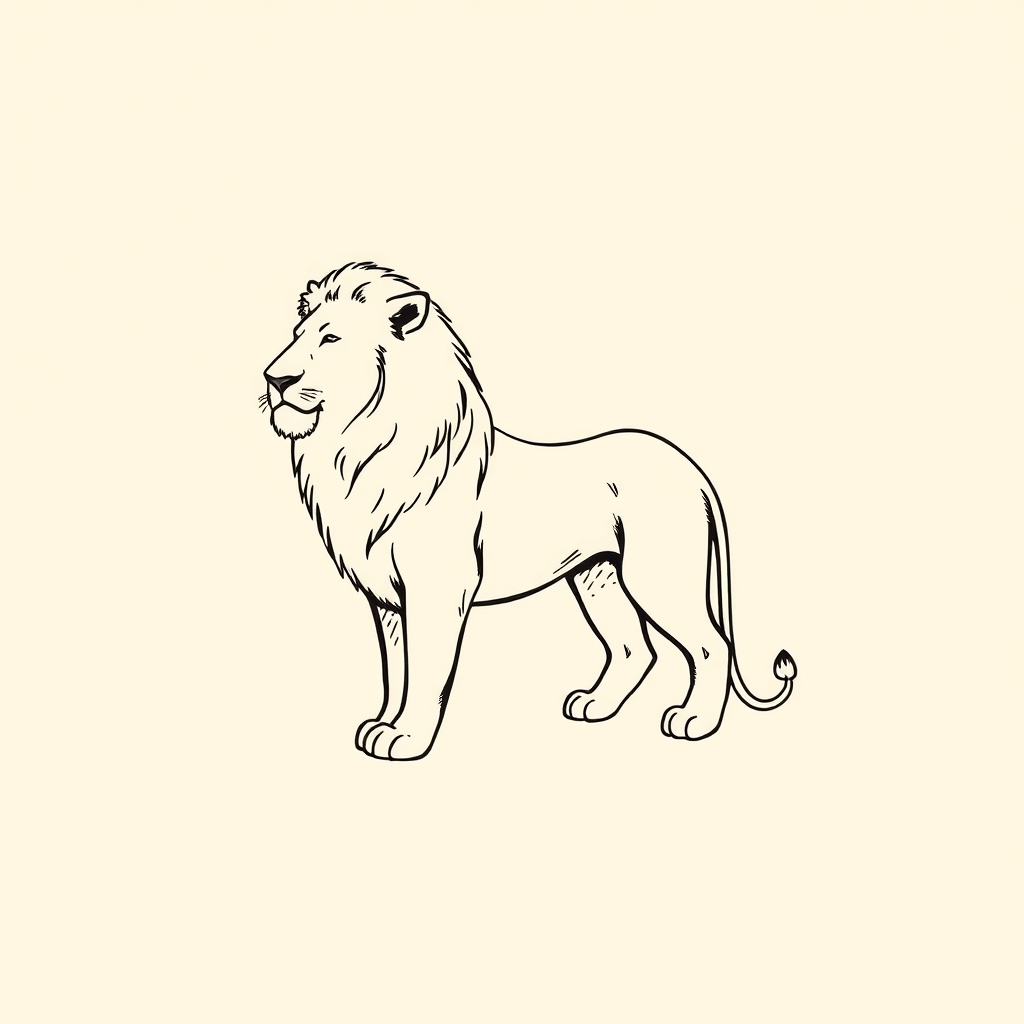
In iconography, Saint Cucuphas of Scillium is recognizable by: lions at his feet and severed head.
How did Saint Cucuphas of Scillium die?
Saint Cucuphas of Scillium suffered martyrdom for the Christian faith (4th century).
What miracles are attributed to Saint Cucuphas of Scillium?
6 miracles are attributed to this saint, notably: Protection / deliverance, Sign / wonder and Mastery of the elements.
Which saints were contemporaries of Saint Cucuphas of Scillium?
Contemporaries include: Saint Blaise, Saint Hilary of Poitiers, Saint Basil the Great (Archbishop of Caesarea) and Saint Baudilus.
What are the other names of Saint Cucuphas of Scillium?
Other forms of the name: Cucuphas.
Annexes & related entities
Structured data for exploration: events, miracles, quotes, places, attributes, patronages, and important entities cited in the text.
Key Events
- Studies in Caesarea of Mauretania
- Sea voyage to Barcelona to face persecution
- Preaching and miracles in Catalonia
- Miraculous survival of various tortures (lions, fire)
- Decapitation under Diocletian
- Translation of relics to France by Abbot Fulrad